


How to deal with separation anxiety in toddlers: Keep goodbyes simple & straightforward, so your child knows what to expect. Sticking to a daily routine helps them feel more secure, while practicing short separations, even just leaving the room for a bit, can help your little one gradually get used to time apart from you. Most toddlers calm down quickly after you’re out of sight. Learn helpful, doctor-recommended strategies to make drop-offs, bedtime, & everyday separations a whole lot easier.
- Toddler anxiety stems from balancing their ‘Me do it!’ drive for independence with their deep need for protection.
- High fearfulness in toddlers predicts later separation anxiety.
- Separation anxiety typically unfolds in three stages: Protest, Despair, and Detachment.
Table of Contents
What is separation anxiety in toddlers?
Separation anxiety happens when your toddler feels scared or upset when you’re not around. It’s a natural part of growing up. It also shows that your child has formed a strong bond with you.
Your child now recognizes themselves as an individual. They understand that you leave their sight sometimes. Seeking closeness helps them feel safe and comforted. This cognitive leap is called object permanence, and it’s a sign of healthy brain development.
Definition of Separation Anxiety Disorder
Separation anxiety disorder is a psychological condition that affects children, typically those in preschool or older, characterized by persistent and excessive distress when separated from a primary caregiver.
Signs of Separation Anxiety in Babies and Toddlers
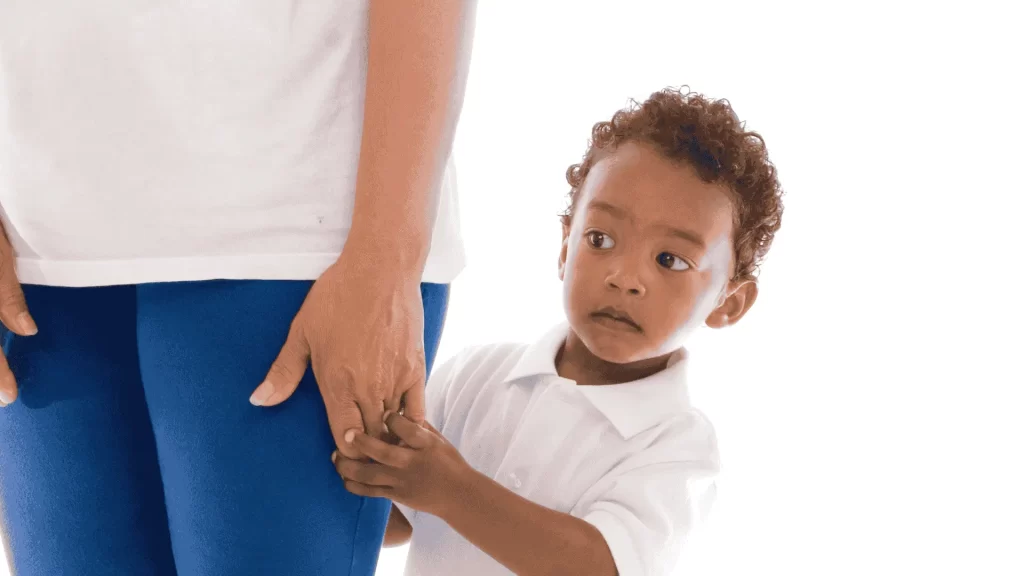
Babies and toddlers often exhibit signs of separation anxiety, which can manifest in different ways depending on the child’s age and personality. Common signs include excessive crying, clinginess, and resistance to being left alone or with an unfamiliar caregiver.1
In babies, separation anxiety can cause sleep struggles, such as night wakings and increased fussiness when the primary caregiver is leaving the room.
In toddlers, separation anxiety can lead to tantrums, difficulty falling asleep, and increased anxiety around strangers.
How long does separation anxiety typically last?
Separation anxiety typically starts around 6 months and becomes most prominent between 8-18 months. The intensity and duration of separation anxiety can vary depending on the child’s age and individual temperament. You will usually see it fade by the time your child is 3 years old. They learn that you, their caregiver, will always come back.

It’s not only toddlers who experience separation anxiety. Older kids, even 5-year-olds, can feel anxious when they are away from you.
They might worry, resist going to school, or struggle with goodbyes. In some cases, you might notice separation anxiety continuing into adolescence and adulthood.
How to Tell If Your Child Has Separation Anxiety
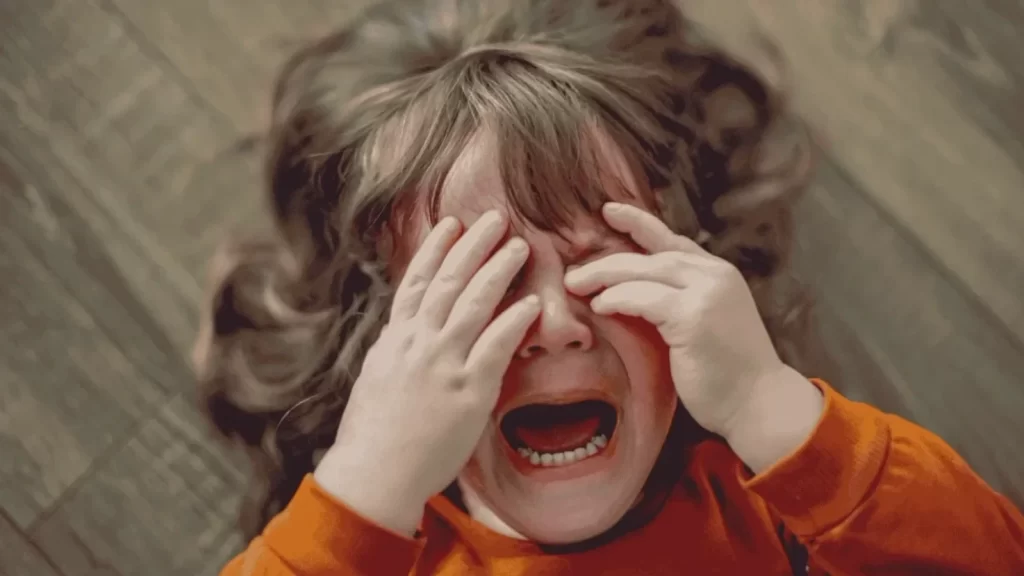
Separation anxiety can show up in different ways. If your child has a hard time being apart from you, look for these common signs:2
- Refusing to sleep alone
- Getting anxious when leaving home
- Crying, screaming, or panicking around unfamiliar people
- Waking up frequently at night
- Clinging to you and avoiding others
- Having nightmares or restless sleep
- Complaining of stomach aches, muscle pain, or headaches
- Throwing tantrums when you leave
Although these reactions can feel overwhelming, they usually fade once you’re out of sight.
Behavioral, Emotional, and Physical Signs of Separation Anxiety
Children experiencing separation anxiety may exhibit a range of behavioral, emotional, and physical signs. Behavioral signs include clinginess, resistance to separation, thumb sucking, and difficulty engaging in activities without the primary caregiver.3
Emotional signs include anxiety, fear, and distress when separated from the primary caregiver.4
Physical signs include increased heart rate, sweating, and trembling. It is essential to recognize these signs and provide reassurance and support to help your child cope with separation anxiety.
What Causes Separation Anxiety in Toddlers?
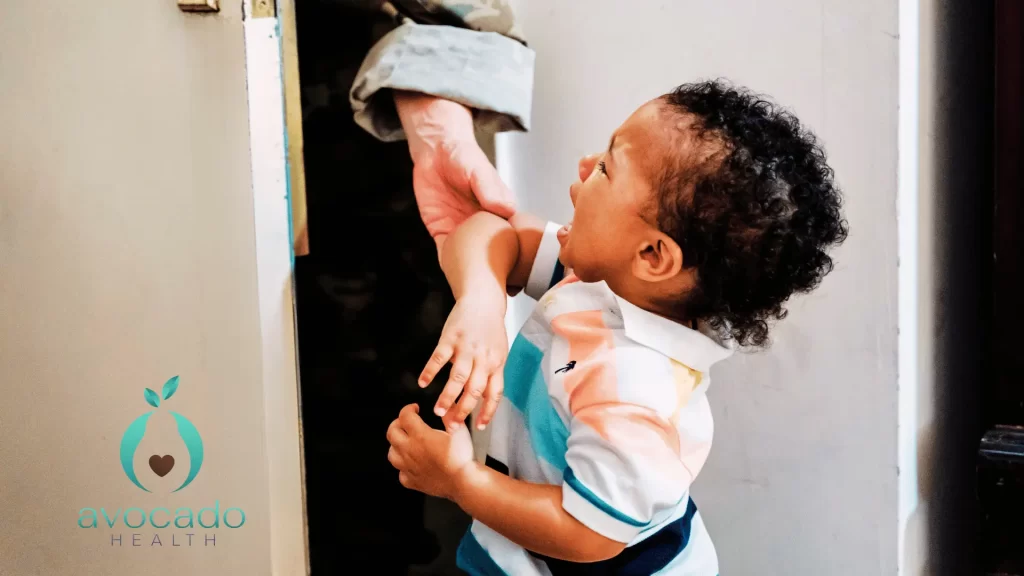
Separation anxiety in toddlers is often triggered by changes in their environment, emotional development, or physical discomfort. Here are some common causes:
- Starting daycare or preschool – Adjusting to a new place and unfamiliar people can feel overwhelming.
- A new baby in the family – Toddlers may feel anxious about their role and fear losing attention.
- A new babysitter, teacher, or caregiver – Unfamiliar faces can create uncertainty and stress.
- Moving to a new home or room – Changes in surroundings can disrupt their sense of security.
- Physical discomfort – Teething, ear infections, or illness can make them more clingy.
- Picking up on caregiver emotions – If you’re stressed or exhausted, they may mirror your feelings.
- Saying goodbye – Drop-offs can be difficult, especially when the primary caregiver leaves, and they need reassurance that you’ll return.
- Large gatherings – Crowded spaces can feel overwhelming, making them afraid of getting lost.
- Bedtime or naptime – Being alone for long stretches can heighten their anxiety.
- Developing object permanence – As toddlers begin to understand that objects and people continue to exist even when out of sight, they may become more anxious about separations.
Other Triggers of Separation Anxiety in Toddlers
Other common triggers of separation anxiety in toddlers include major life changes, such as starting preschool; developmental changes, such as potty training or moving to a toddler bed.
Toddlers may also feel more anxious when their primary caregiver is leading the separation. Hunger or tiredness can exacerbate separation anxiety in toddlers. It is essential to identify the triggers and develop strategies to help your child cope with separation anxiety.
Peak Age for Separation Anxiety in Toddlers
Separation anxiety typically peaks between 10 and 18 months of age and usually resolves by age 3. However, some toddlers experience a resurgence around age 3, often triggered by major transitions like starting preschool or the arrival of a sibling.
This secondary peak tends to decrease as children approach age 4. Because separation anxiety has natural peaks and valleys, children may seem confident one day and anxious the next.5
It is essential to be patient and understanding, as separation anxiety is a normal part of child development. By providing reassurance, support, and consistency, you can help your child overcome separation anxiety and develop healthy coping mechanisms.
What are the three stages of separation anxiety?
Separation anxiety can be tough for both you and your little one. When children struggle with being apart, they usually go through three stages:
- Protest: Your child cries, clings to you, or refuses to let go, trying everything to make you stay. Establishing a brief goodbye ritual, like a hug and a reassuring phrase, can help make this stage more manageable.
- Despair: Once they realize you’re gone, they may become quiet, withdrawn, or seem sad.
- Detachment: Over time, they begin to adjust, find distractions, and wait for your return.
Knowing these stages can help you comfort your child and make goodbyes a little easier for both of you.
How to deal with separation anxiety in toddlers
Separation anxiety in toddlers can persist for months or even years, but there are many ways to ease their distress. Here are some strategies to help your child feel more secure and confident when apart from you.
Avoid Sneaking Away
Although it might seem easier to slip away unnoticed, this can actually increase anxiety and make your child more clingy. Instead, reassure them that your time apart is temporary and that you will always return.
Establish a Consistent Goodbye Routine
Creating a short farewell ritual can provide comfort. For example, saying, “I’ll be back after work. I love you,” followed by a hug, can help make separations predictable and less stressful for your child.
Engage Them In An Activity
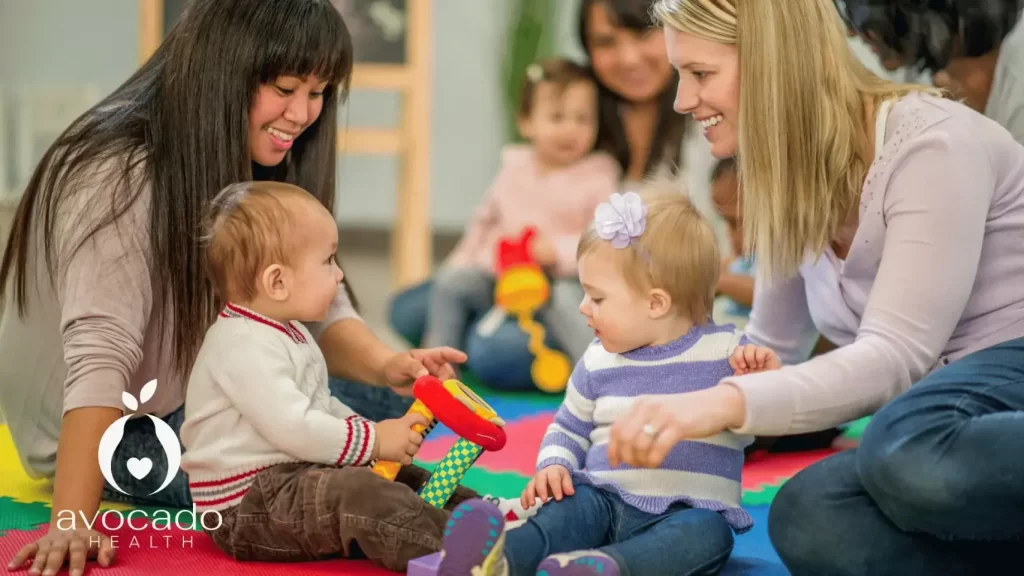
Ask the caregiver or teacher to have an engaging activity ready when you drop off your child. Redirecting their attention to something fun, like a game or a toy, can help ease the transition.
Keep Goodbyes Short and Reassuring
When leaving your child, let them know in advance that a trusted caregiver will be with them or that they’ll be staying somewhere safe.
Keep your farewell quick and confident; lingering or appearing anxious can signal to your toddler that there’s something to worry about.
Acknowledge Their Feelings
Validate your toddler’s emotions by saying something like, “I know you’ll have fun with [caregiver], but it’s okay to miss me. If you feel sad, let them know, and they’ll give you a big hug.” This helps them feel understood and supported.
Support Their Social Comfort in Group Settings
When in a large gathering, avoid pushing your toddler to interact before they’re ready. Stay nearby until they feel comfortable engaging with others. If they need reassurance, be available to provide it.
Remember, it’s important not to feel guilty about leaving your child for short periods; fostering their independence is crucial for their development.
How to deal with separation anxiety in toddlers at bedtime?
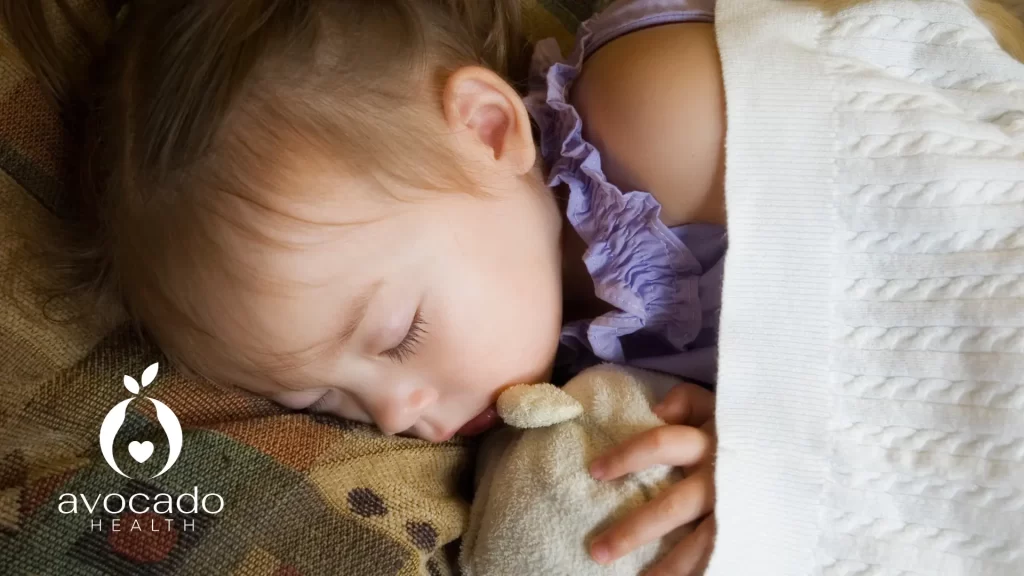
To effectively address toddler separation anxiety at night, focus on these strategies:
Self-Soothing:
Wait a moment before going to them when they cry. Let them learn to calm themselves while you stay nearby to reassure them.
Child life specialist Cory Todd adds, “This will allow them a chance to learn how to fall asleep on their own, while also teaching them that you will be there to check in when they need you.”
Comfort Objects:
- Give them a special soft toy to hold at night. Make sure it’s safe for their crib and familiar from daytime play.
Independent Sleeping:
- Gradual Exit
Caregiver Well-being:
- Stay calm and patient. Your calmness helps them feel calm. If you’re stressed ask someone else to help.
- Your own calm is important. Take breaks if you need to.
Avoid Sneaking Out:
- Always tell them when you’re leaving the room. This builds trust and reduces their anxiety.
- Never sneak out. Always tell them you’re leaving even if they’re almost asleep.
Responsive Comfort:
- Comfort them when they’re very upset but then put them back in their bed. Keep the comfort short and calm, so that they learn that bedtime is a time for sleep and not play!
Consistent Routines:
- Do the same things every night before bed like a bath and a story. This helps them know what to expect and feel safe.
- A regular bedtime routine helps them feel secure and ready for sleep.
Regular Check-ins:
- Check on them often at first, then less often. This helps them feel safe while learning to sleep alone.
- Start with frequent check-ins, then spread them out. This reassures them you’re nearby.
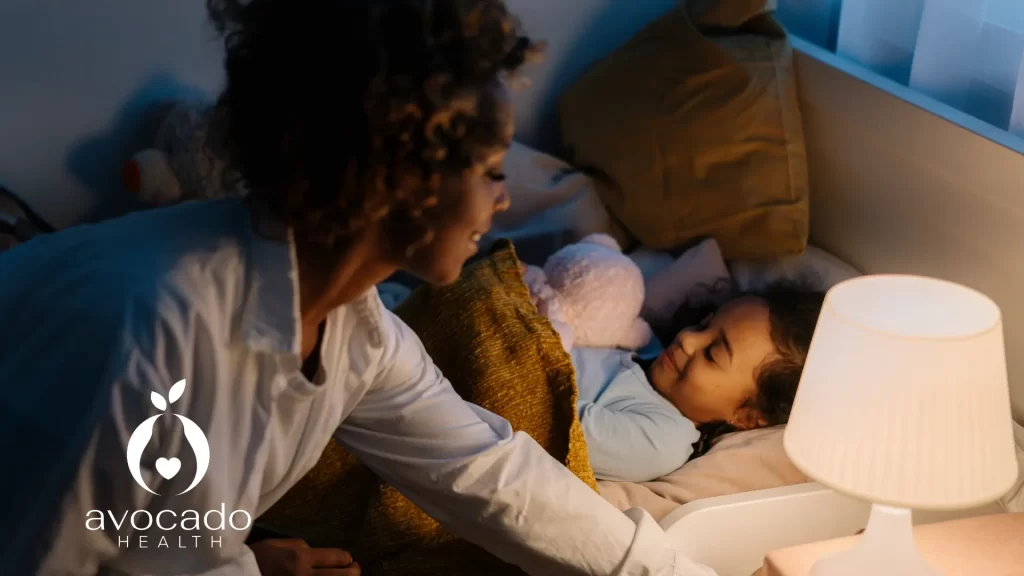
Daytime Separation Practice:
- Let them spend time with grandparents or other caregivers during the day. This helps them feel secure when you’re not there at night.
- Daytime time with other trusted adults builds confidence for nighttime.
How do you know when your toddler’s separation anxiety is abnormal?
Separation anxiety becomes a concern when distress is persistent, intense, and disrupts daily life. Red flags include excessive clinginess, extreme anxiety at the thought of being apart, or tantrums that are unusually severe or last longer than those of other children their age.
If left unaddressed, this can interfere with social interactions, daily routines, and even early learning experiences.
How Avocado Health Helps You Deal with Separation Anxiety in Toddlers?
Avocado Health offers expert-backed, text-based parent coaching to guide you through proven strategies.
With real-time support, you’ll learn how to ease transitions, build your child’s confidence, and create comforting routines, helping both you and your toddler feel more secure and less stressed.
Conclusion
Separation anxiety is normal, but hard. When you understand what’s going on and use clever ways, you can help calm your child’s upset. Your patience and understanding of what works will help them feel safer and more confident. Goodbyes get smoother for everyone.
Frequently Asked Questions
What’s the best thing to say to a child struggling with separation anxiety?
Focus on sharing what you’ll do together next. A big part of their worry when you leave is the fear that you might not come back. Chatting about your upcoming plans helps calm that fear. For instance, tell them, “I’ll be back right after your nap, and then we’ll have our special snack!
What Not to Do When Handling Separation Anxiety
Don’t shield your child from every uncomfortable situation. It’s natural to want to protect them from anything that makes them anxious, but completely avoiding difficult moments can actually make things worse in the long run. If they never face their fears, they won’t learn how to manage them.
Instead of eliminating the trigger entirely, help your child gradually adjust with small, manageable steps. Offer reassurance, encourage them, and celebrate every bit of progress—no matter how small!
Sources:
- A review of childhood anxiety
- Mental Health in Toddlerhood: The Dynamic Balance of Anxiety, Autonomy, and Attachment
- Separation Anxiety-An Unseen Cause for Development of Abnormal Oral and Paraoral Habits and Malocclusion: A Review of Literature and Report of Two Cases
- Screening for Fearful and Shy Temperament in Toddlers Predicts Elevated Anxiety Symptoms: A Prospective Study
- Distinct trajectories of separation anxiety in the preschool years