


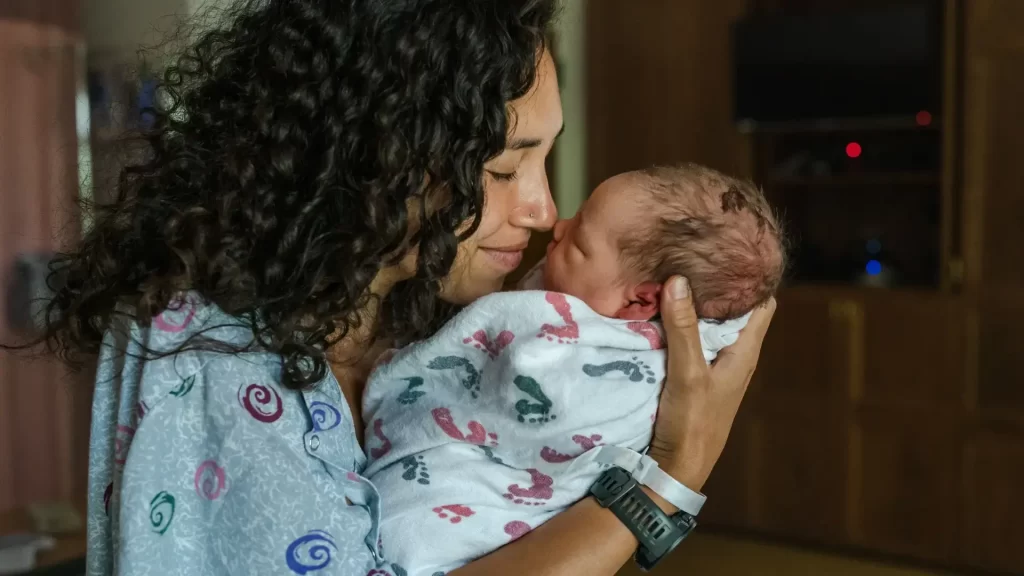
Many parents wonder how long is the newborn stage. The newborn age range is often described as the time period from birth up to about 4 to 6 weeks, according to health organizations, but some sources and cultures extend this time period to 2–3 months. During this period, babies adjust to life outside the womb. Learn what to expect, what milestones to look for, and how to cope.
What Is The Newborn Stage?

Doctors call the very first phase of a baby’s life, right after birth, the newborn stage. In medical terms, this is known as the neonatal period.1
The newborn stage includes:
- The baby has just moved from the womb into the outside world.
- The baby’s body systems are starting to work on their own, without help from the placenta.
- The baby relies completely on adults for warmth, feeding, and safety.
The World Health Organization says a newborn, or neonate, is a baby in the first 28 days of life.2 The American Heart Association and American Academy of Pediatrics also describe this time as when the baby must quickly adjust breathing, blood flow, and temperature control to live outside the uterus.3
During these first weeks, newborns:
- Sleep a lot in short stretches.
- Feed often to support fast growth.
- Show strong reflexes like rooting, sucking, and startle.
- Communicate mainly through crying and body movements.
The newborn stage is an adjustment period. The baby is learning to breathe, eat, stay warm, and bond with caregivers in a world that is very different from the womb.
What to Expect in the First Few Weeks?
The first few weeks with your newborn infant can feel like a rollercoaster. During this time, your baby is adjusting to life outside the womb, and their tiny body is working hard to regulate various systems. Here’s what you can expect:
- Frequent Feedings:
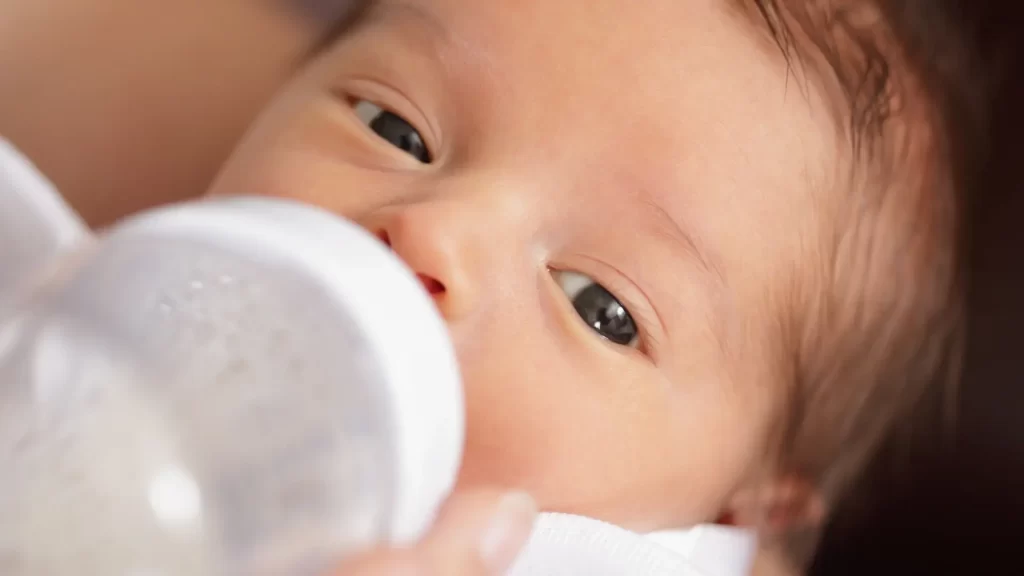
Newborn babies need to eat every 2-3 hours, which can be exhausting for parents. Whether you’re breastfeeding or formula-feeding, be prepared for round-the-clock feedings.
Newborns rely on caregivers to help regulate their nervous systems, which is why frequent waking, contact naps, and cluster feeding are all developmentally normal.
- Sleep Deprivation:

While newborns sleep a lot, their sleep patterns are unpredictable. This often leads to sleepless nights and sleep deprivation for parents, as you’ll be up at all hours tending to your baby’s needs.
- Crying

- Physical Changes: Your baby’s body is undergoing significant changes, such as regulating body temperature and blood sugar levels. These adjustments are crucial for their development and well-being. During the first weeks, newborns typically exhibit reflexes such as rooting, the sucking reflex, and the Moro reflex, which are signs of normal neurological development.
How Long Is The Newborn Stage?
In the United States, doctors use the term “newborn” or “neonate” for babies from birth to 28 days old. MedlinePlus, from the U.S. However, from a parent’s point of view, the newborn stage usually feels like it lasts about the first 2 to 3 months after birth, which is why the question “how long does the newborn stage last?” often has two different answers in real life.
How many weeks is the newborn stage?
National Library of Medicine, defines a neonate as a baby 4 weeks old or younger and calls this the newborn period.4
The American Academy of Pediatrics also uses this timeframe in its major neonatal life-support guidelines, which cover how babies adjust their breathing, blood flow, and temperature after birth.
What Is The Difference Between A Newborn And An Infant?
A newborn is a baby in the very first stage of life, from birth up to 28 days old. The word ‘infant’ is a broader term and usually refers to babies between 1 month and 12 months old. All newborns are infants, but not every infant is a newborn.
How long is infancy?
Infancy is the period from birth until about 12 months of age. After the first birthday, most experts start using the word “toddler” instead of infant.
what are the hardest weeks of a newborn?

How long are the newborn trenches?
There’s no single “hardest” week, but many new parents find weeks 2-8 the most challenging due to:
- Extreme exhaustion
- Peak fussiness (purple crying)
- Postpartum recovery
- Constant learning
It’s also important to note that newborns may go through phases of fussiness or lethargy, which can be typical, but may warrant attention if prolonged.
Week 3 is often cited as particularly tough as the initial adrenaline fades and sleep deprivation sets in.
Weeks 6-8 see a peak in crying and fussiness before things gradually improve.
Many parents find that contact naps, where the baby sleeps on them, can help soothe their baby and provide much-needed rest for both.
What Are The Basic Needs Of A Newborn?
Caring for a newborn involves meeting their basic needs to ensure they thrive. Here are the essential requirements for newborn care:
- Nutrition: Breast milk is often considered the gold standard for newborn nutrition, providing all the necessary nutrients and antibodies. However, formula is a suitable alternative if breastfeeding isn’t an option, and bottle feeding can be used as an alternative or complement to breastfeeding.
The key is to ensure your baby is well-fed and gaining weight appropriately.
- Sleep: Newborn babies need plenty of sleep, but their sleep patterns can be erratic. Establishing a bedtime routine early on can help create a sense of security and establish healthy sleep habits as they grow.
To promote healthy sleep habits, create a safe sleep environment by:
- Always place your baby on their back to sleep on a flat, firm surface without blankets or toys.
- Use fitted sheets, wearable blankets (instead of loose blankets).
Newborns benefit from a safe sleep environment, which includes sleeping on their backs without blankets or pillows, to reduce the risk of suffocation.
- Hygiene: Regular diaper changes, gentle baths, and nail care are essential for your baby’s hygiene. Keeping your baby clean and comfortable can prevent rashes and infections.
- Physical Contact: Skin-to-skin contact and cuddling are vital for your baby’s emotional and physical development. These moments of closeness help regulate their body temperature, heart rate, and stress levels, fostering a strong bond between you and your baby.
By focusing on these basic needs, you can create a nurturing environment that supports your baby’s growth and development.
What Are The Major Milestones Of A Newborn?
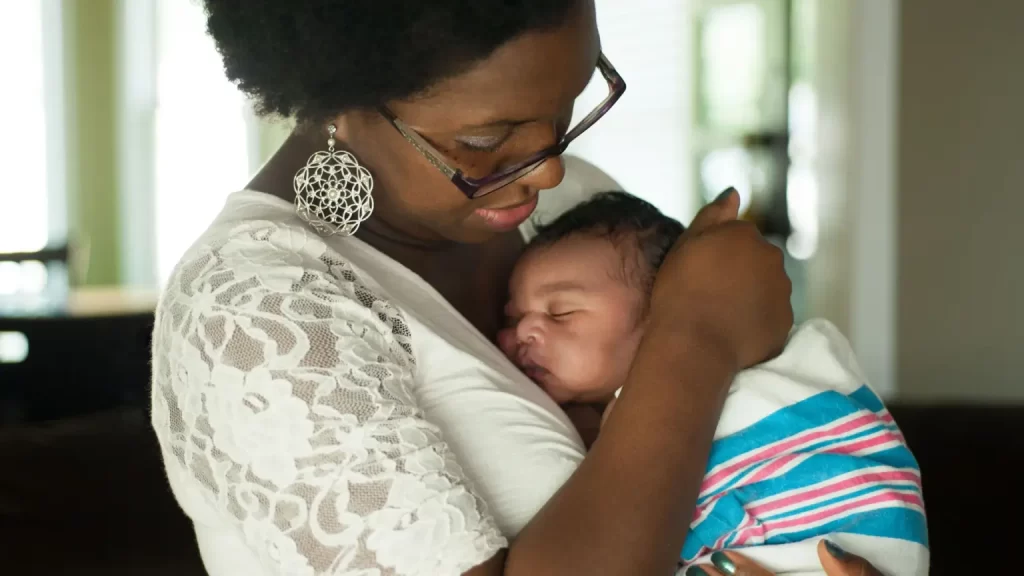
The newborn stage is marked by key developmental milestones that set the foundation for future growth.As your baby develops, you’ll notice a progression of key milestones that mark their growth and adaptation to life outside the womb. Here are some developmental milestones to track your baby’s Progress:
Physical and Motor Skills
- Head Control: Starts lifting the head slightly while on their stomach and gains enough strength to support their head while held upright by 2–3 months.
- Movements: Newborns start with jerky, reflexive movements, but by around 2 months, they transition to smoother, more purposeful movements.
- Hands: Moves hands within range of eyes and mouth; progresses from keeping hands in tight fists to opening and grasping toys by 3 months. The grasp reflex is present, causing the baby to instinctively grasp objects placed in their palms.
- Reflexes: Strong reflexes are present, such as the rooting reflex (searching for a nipple), sucking, the moro reflex (an innate startle response when the baby feels unsupported), and the startle reflex, which gradually disappears as motor skills improve.
Sensory and Cognitive Development
- Vision: Focuses on faces, typically following moving objects with their eyes. Newborns can focus on objects or faces that are 8-12 inches away.
- Hearing: Recognizes familiar voices, often quieting or turning their head toward sounds.
- Attention: Pays attention to, and shows interest in, faces and high-contrast, black-and-white patterns.
Social and Emotional Milestones
- Smiling: Babies may begin to smile in response to social interactions by the end of the newborn stage, usually around 6-8 weeks.
- Communication: Crying is the primary form of communication, with distinct cries for hunger, discomfort, or fatigue.
- Interaction: Becomes more responsive to social contact, such as cooing or cooing back.
- Physical Contact: Newborns require a lot of cuddling and physical contact to thrive emotionally and physically.
Key “Tummy Time” Milestones
- 1 Month: Turns head side-to-side while lying on the stomach.
- 3 Months: Propping up on elbows, lifting head and chest, and holding the head steady.
Every baby grows and hits milestones at their own pace, so it’s best to cherish their progress without comparing them to others.
If you ever have questions about your little one’s development, text Avocado Health, your trusted parent coach, for clarity and reassurance, helping you feel more at ease.
when does newborn phase get easier?

When does newborn fussiness get better?
Many parents start to feel a shift around 6 to 8 weeks, which often signals when the newborn stage is over or beginning to transition into early infancy. By then, babies begin to settle into more predictable sleep patterns, and their feeding and crying routines start to make sense.
As babies grow, they begin to have longer stretches of sleep, leading to more restful nights for both parents and baby. These longer stretches of sleep are a sign of healthy development and can help everyone in the family experience more restful nights.
As your baby becomes more interactive and responsive, you’ll likely find yourself enjoying the connection with them more. While the early infant stage is still demanding, these small signs of progress can help you feel like you’re getting the hang of things
What Are The Most Common Challenges That Parents Could Face In Caring For A Newborn?
Parenting a newborn brings intense challenges, primarily driven by:
- Severe Sleep Deprivation: The constant, around-the-clock feeding and soothing schedule (every 2–3 hours) leads to profound exhaustion.
- Physical Recovery and Demands: New mothers face healing from childbirth while simultaneously managing the physical demands of feeding and caring for a newborn.
- Understanding and Soothing the Baby: Newborns cry for 2-3 hours a day, causing stress as parents struggle to figure out the cause, such as hunger, wet diapers, or discomfort.
- Emotional and Mental Toll: Parents often report feeling overwhelmed, anxious, or isolated, with a high percentage of new parents lacking confidence in their caregiving abilities.
- Lifestyle and Relationship Changes: The sudden shift in identity, loss of freedom, and reduced time for partners often create tension.
- Feeding Challenges: Struggles with breastfeeding (latching, pain, infections) or formula feeding can be a significant source of stress.
- Cluster feeding is a common challenge during the newborn stage, where babies may feed 8 to 12 times a day, especially during growth spurts.
- Health Worries and Safety: Constant, intense worry about the baby’s health, safety (SIDS), or them catching illnesses.
Commonly Reported Feelings
Isolated: About 79% of parents feel socially isolated in the early weeks. 5
Tired/Exhausted: Almost 96% of postpartum parents report high levels of fatigue.
Disorganized: 89% of parents feel their lives are in disarray.
how to adjust to life with a newborn?

Life with a newborn can feel like a frenzy. Taking a longer maternity leave can help ease the transition and provide more bonding time with your baby. For many parents, it takes weeks or even months to feel comfortable and confident in their new role.
Sometimes new moms have thoughts like “I hate my baby for not sleeping,” and then feel scared or ashamed for thinking that way. These thoughts usually mean they are overwhelmed, not that they are bad mothers.
Losing sleep and mental health are closely linked. A 2024 study on mothers’ sleep found that changes in sleep around the time of birth greatly affect mood, anxiety, and stress.6Big studies on depression after birth show that up to 1 in 5 new mothers have depression in the year after giving birth, and poor sleep is a main cause.
Here are some tips for remaining sane in newborn phase:
- Expect emotional ups and downs. It’s natural to feel a range of emotions, sometimes within just a few hours. Remember, patience is a virtue. Take things one step at a time and be patient with yourself. Newborns benefit from a support system, and emotional support is crucial for both you and your baby.7
- Get out and about. A change of scenery can do wonders for your mood. Even a quick walk outside can help clear your mind and give you a fresh perspective.
- Let go of perfection. Parenting rarely matches the idealized version we envision. Accept that it’s okay for things to be imperfect, and be kind to yourself along the way.
- Take care of your health. Don’t forget about your own well-being. Focus on eating well, resting when you can, and staying active to keep your energy levels up.
- Embrace new challenges every day. Every day brings something new with your baby. Be ready to adapt and learn as you go, and know that you’re growing with your child. Monitoring and celebrating your baby’s developmental milestones can help you track progress and feel encouraged.
- Practice good hygiene for disease control. Prioritize handwashing and follow recommended health practices to help prevent the spread of illness and protect your newborn’s health.
- Focus on future development. The care and attention you give now lay the foundation for your child’s future development. Your efforts during the newborn stage support long-term growth and well-being.
Here are even more ideas for staying balanced:
- Take time for yourself. Carve out 30 minutes each day just for you. Whether you’re enjoying a relaxing bath, catching up on your favorite show, reading, or simply sitting in quiet, make it your time to recharge. Let the housework wait.
- Connect with others. Spending time with fellow parents or joining local groups can help ease the pressure. If big groups aren’t your thing, even casual chats at the clinic or playgroup can offer support and understanding.
- Don’t forget your partner. When you’re in the thick of newborn care, it’s easy to let your relationship slide. But even if it’s just watching a show together or sharing a quiet moment before bed, every bit of connection counts.
- Talk it out. Sharing how you feel with your partner can lighten the load. Sometimes, just knowing you’re both in this together helps. Talking to someone outside of your family can also offer new insights and support.
- Finally, relax. There’s no “one-size-fits-all” approach to parenting. Be kind to yourself and trust that you’re doing great. Celebrate the small victories!
Many parents wonder when do the newborn trenches end, but remember that each baby’s development is unique. Adjusting to life with a newborn takes time, but you’re not in this alone. Be patient, be gentle with yourself, and remember—you’ve got this!
Over time, you may begin to notice small cues like changes in movement, facial expressions, or sounds that signal your baby’s needs, helping you respond more confidently.
Why Is Support Important Postpartum?

Parenting a newborn can feel isolating at times, which is why having a strong support system during this phase is essential.
It’s important to remember that adjusting to life with a newborn can be overwhelming, and seeking support, whether from loved ones or professionals, is a valuable and healthy part of this stage.
This could mean anything from having someone lend a hand with diaper changes or meals to providing emotional encouragement. Having a support system to lean on can make this challenging time a lot more manageable and even enjoyable.
Conclusion
The newborn phase is not only a time of deep learning and connection, but also lays the foundation for future development. Early bonding activities, such as skin-to-skin contact, help regulate your baby’s nervous system and support healthy growth. As you nurture your newborn, keep in mind the importance of tracking developmental milestones to monitor progress and address any concerns early.
Frequently Asked Questions
Can parents kiss their newborn?
Parents and main caregivers can kiss their newborn, but they need to be careful. The safest places to kiss are the top or back of the head, not the mouth, nose, or eyes. Anyone who is sick or has a cold sore should not kiss the baby, and visitors should avoid kissing the baby completely. Washing hands well and kissing the baby’s head or feet are easy ways to show love while keeping the newborn’s weak immune system safe.
Does A 7-Week-Old Baby Recognize Mom?
Yes, a 7-week-old baby begins to recognize their mother mainly through her voice, scent, and sight. By this age, babies are starting to focus on faces, and they often show a preference for their mother, smiling in response to her. They use their senses to identify her.
At What Age Does A Baby No Longer Become A Newborn?
Many parents ask when a baby is no longer a newborn, and this usually happens once babies move past the early reflex-driven stage and become more alert and interactive, around 2–3 months.
When Should Babies Get Back To Birth Weight?
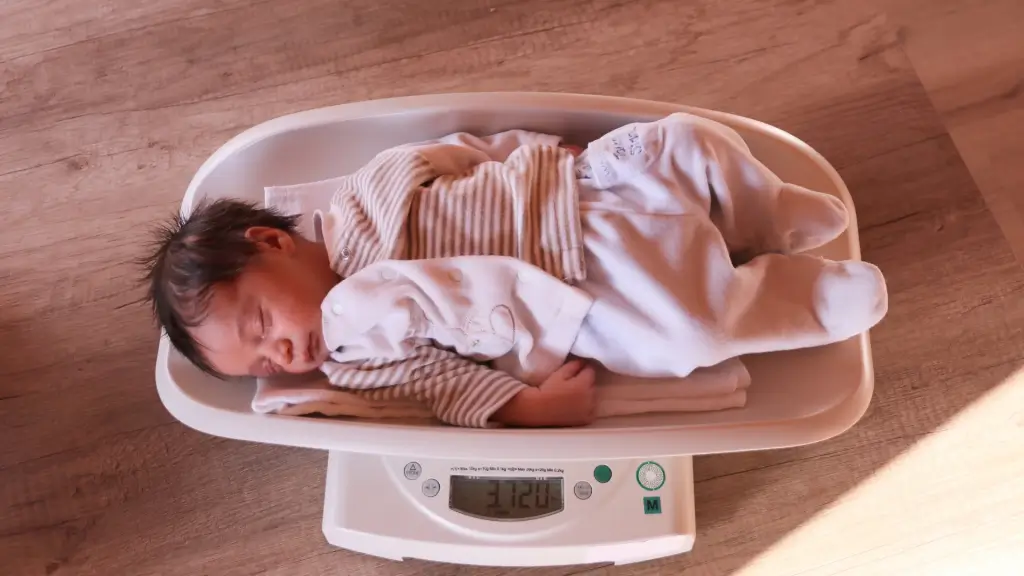
Most newborns lose 7% to 10% of their body weight in the first few days of life and typically regain their birth weight within 10 to 14 days (roughly two weeks). While some regain it by 7 days, it is not considered unusual to still be slightly below birth weight by the two-week checkup, especially for babies born via Cesarean section.
Is It Normal For A Newborn To Sleep 20 Hours A Day?
Most babies also sleep between 12 to 20 hours a day during the newborn stage. As time passes, things slowly get easier.
Sources:
- Postnatal Growth Assessment and Prediction of Neurodevelopment and Long-Term Growth in Very Low Birth Weight Infants: A Nationwide Cohort Study in Korea
- Newborn health
- CDC’s Developmental Milestones
- World Health Organization
- Loneliness in pregnant and postpartum people and parents of children aged 5 years or younger: a scoping review
- Maternal Sleeping Problems Before and After Childbirth
- Postpartum Stress and Neural Regulation of Emotion among First-Time Mothers