



Modern parenting vs traditional parenting comes down to one key difference: connection over control, and flexibility over strict rules. Both shape how confident and self-disciplined children become, and the effects show up as early as the toddler years. Neither style works perfectly on its own, and most research points to a blend of both. However, too much of either can get in the way of healthy development. Discover how each approach affects your child, what the research actually shows, and how to find a balance that works.
Table of Contents
What is Modern Parenting?
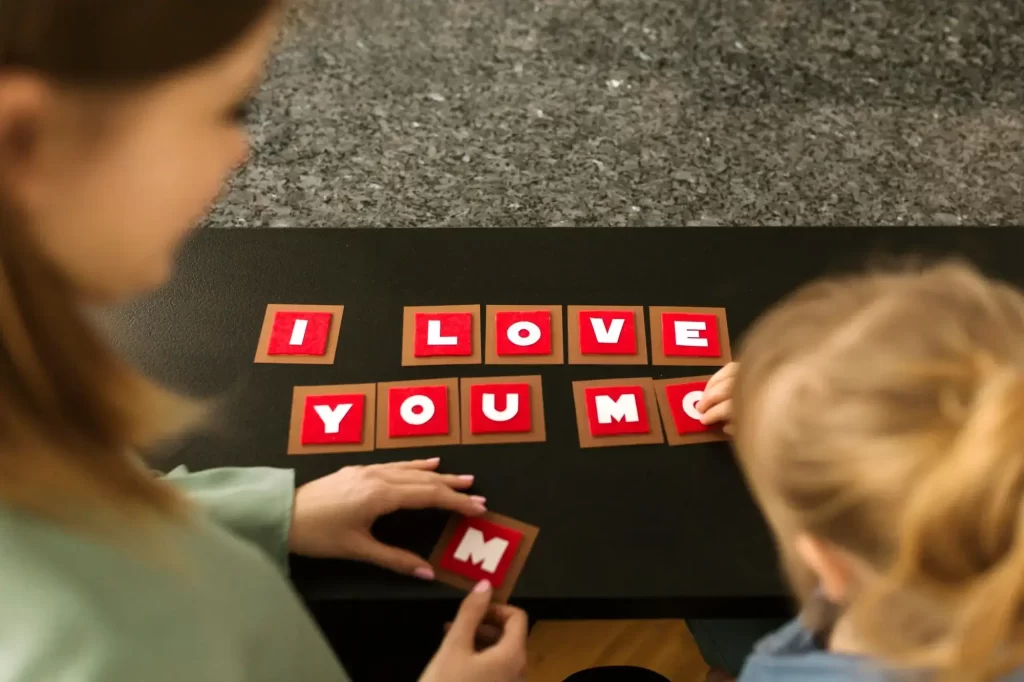
Modern parenting is a child-centered approach. It focuses on emotional connection, open communication, and guiding children rather than commanding them. But the most important thing to understand about it is often overlooked.
Modern parenting is not softer parenting. It is more precise parenting.
The goal is not fewer rules. The goal is better-understood rules. A child who is told what to do learns to obey. A child who understands why a rule exists learns to make better decisions when no one is watching. That difference shapes who a child becomes long after they leave home.
The key is self-regulation. Research published in the Journal of Family Psychology, found that supportive parenting builds stronger self-regulation in children at every stage of development. Suppressive parenting consistently weakened it.1
Research in Behavioral Sciences, found that emotional engagement from parents raises a child’s emotional intelligence. Emotional intelligence shapes how children treat others and handle social situations. Not because they were told to. But because they built their own inner capacity to do so.2
Modern parenting still sets firm boundaries. It still holds children accountable. Children raised this way follow rules because they understand them, not because they fear what happens if they don’t.
That is the outcome every parent is working toward.
Modern Parenting vs Traditional Parenting: Main Differences
Modern parenting builds emotional intelligence from the inside out. Traditional parenting builds discipline from the outside in. The strongest outcomes happen when both work together.
| Aspect | Traditional Parenting | Modern Day Parenting |
|---|---|---|
| Discipline | Strict, rule-based | Flexible, understanding-based |
| Emotional Focus | Less emphasis on emotions | High emphasis on emotions |
| Child’s Role | Expected to obey authority | Encouraged to voice opinions |
| Structure | Clear boundaries, routines | Adaptive and evolving rules |
| Decision-Making | Parent-driven decisions | Child involvement encouraged |
| Support System | Extended family, community | More individualized support |
Pros of Traditional Parenting
- Provides children with clear expectations, structure, and discipline.
- Instills respect for authority, responsibility, and self-discipline.
- Emphasizes strong family values and community involvement.
- Encourages resilience and a strong work ethic.
- Maintains consistency and routine, helping children understand rules and consequences.
Cons of Traditional Parenting
- Can be rigid, limiting children’s emotional expression and individuality.
- Prioritizes obedience over understanding, which may hinder communication skills.
- Strict discipline may lead to fear rather than respect.
- May not always accommodate children’s unique emotional or developmental needs.
- Can result in difficulties in emotional intelligence and self-expression.
The cons of traditional parenting can significantly impact family life, creating a challenging environment for balancing personal fulfillment and family responsibilities.
While traditional parenting has provided structure and discipline for generations, changing societal dynamics have led many parents to seek a more flexible, emotionally supportive approach. This shift has given rise to modern parenting, which focuses on fostering emotional intelligence and independence.
Pros of Modern Parenting
- Encourages emotional intelligence and open communication.
- Builds a strong parent-child relationship based on trust and respect.
- Promotes critical thinking and problem-solving skills.
- Adapts to a child’s unique needs and fosters individuality.
- Recognizes the importance of mental health and well-being.
- Supports the development of confidence, independence, and emotional security.
- Emphasizes the importance of parenting choices, acknowledging that there is no universal approach and highlighting the need for adaptability in decision-making.
Cons of Modern Parenting
- Potential lack of structure, leading to confusion about boundaries.
- Overindulgence may create entitlement issues.
- Difficulty enforcing rules consistently due to emphasis on open communication.
- Balancing over-involvement with opportunities for independence and experiential learning.
- Too much freedom without guidance can leave children uncertain about responsibilities.
- Striking a balance between flexibility and discipline remains challenging.
Some people criticize modern parenting, often mixing it up with helicopter parenting. Helicopter parenting means clearing obstacles for kids instead of helping them learn to handle challenges. Kids raised this way tend to feel more anxious, have less confidence, and find it harder to cope when things get tough. The real issue isn’t modern parenting itself, but what happens when parents go too far.
Do Modern Parenting Styles Cause Children More Harm Than Good in the Long Run?

Modern parenting styles are not inherently harmful, but some newer approaches, such as being overly permissive or overly involved, can get in the way of a child’s growth if they do not set clear limits or help kids learn to handle challenges. In general, a balanced and firm approach works best.
Why Do Many Parents Feel Modern Parenting Is Not Working?
Many parents follow modern parenting principles but still feel like they are falling short. The problem is rarely the approach itself. It is the conditions surrounding it.
- Overuse of Technology: Increased screen time can reduce physical activity, social skills, and the ability to figure things out in real life.
- Overprotectiveness: Shielding children from failure may hinder their ability to develop resilience and independence.
- Excessive Praise: Telling children they are talented instead of recognizing their effort, can give them an unrealistic view of themselves.3
- Permissive Parenting: A lack of consistent rules and boundaries can create behavioral and self-discipline issues.
- Decline of Unstructured Play: Less free play time may limit creativity, independent thinking, and social development.4
Parents today raise children with less community support than any previous generation. Extended family and trusted neighbors have been replaced by social media feeds full of conflicting advice. Every normal childhood struggle can feel like a personal failure when measured against an idealized version of parenting online.
On top of that, intensive child-centered parenting demands more time and emotional energy than most parents have. Research in BMC Public Health confirms that parental burnout directly damages the parent-child relationship. A burned-out parent cannot consistently show up the way modern parenting requires.5
The approach is not broken. The support system around it is.
Finding a Balanced Approach
No single parenting style is perfect. Both traditional and modern parenting have strengths and weaknesses. A structured yet flexible approach allows parents to provide clear boundaries while encouraging emotional intelligence and independence. Effective parenting requires:
- Setting clear expectations while allowing room for self-expression.
- Encouraging independence while teaching responsibility and resilience.
- Using positive reinforcement without excessive praise.
- Allowing children to experience challenges to develop problem-handling skills.
- Regulating technology use while promoting real-world interactions.
- Individualizing parenting based on a child’s development, temperament, and needs.
Since both traditional and modern parenting have their advantages and challenges, the question arises: how can parents navigate the evolving challenges of raising their own children in today’s world?
Which Parenting Style Is Most Encouraged in Modern America?
The most encouraged parenting style in modern America is authoritative parenting. The CDC, the American Academy of Pediatrics, and the American Psychological Association all recommend it. It combines the structure of traditional parenting with the emotional awareness of modern parenting.
Most parents who raise confident, well-adjusted children blend warmth with clear boundaries, discipline with empathy, and independence with responsibility. Research in the Journal of Student Research reviewed outcomes across school achievement, resilience, social competence, and adjustment. Authoritative parenting produced the best results across every category.
No single approach fits every child or every family. But the evidence consistently points in the same direction. Warmth and boundaries work better together than either one alone.
Modern Parenting and the Use of “No”

Modern parenting often emphasizes setting limits with love and understanding, explaining the reasons behind the rules, and offering choices whenever possible. It’s about teaching children to respect boundaries, not just blindly obey them. However, this doesn’t mean avoiding the word “no” altogether. Setting clear and consistent boundaries is essential for children’s well-being and sense of security.
While setting boundaries is crucial in parenting, effectively implementing them requires practical strategies. To help parents foster a healthy, balanced approach, here are tips for building confidence and creating a supportive environment for their children
13 Practical Tips for Effective Parenting
Parenting is a journey filled with challenges and rewards, and while there’s no universal formula for success, certain approaches can help you raise happy, well-adjusted children. Here are 13 practical tips to guide you toward being a more confident and effective parent.
1. Nurture Your Child’s Self-Esteem

A child’s confidence starts developing early, shaped by how they are treated. Your words, tone, and actions influence their self-image. “By responding consistently with sensitivity most of the time, a secure bond is formed that acts as a safe place for your child” (Cait Fling, Child Life Specialist).
Celebrate their efforts, big or small, to help them feel capable. Allow them to complete tasks independently to build resilience. On the other hand, harsh criticism or negative comparisons can harm their self-esteem. Instead of saying, “That was careless,” try, “Everyone makes mistakes, let’s figure out how to improve next time.” Encourage growth while reinforcing their worth.
2. Reinforce Positive Behavior
Do you find yourself correcting your child’s mistakes more than acknowledging their good behavior? Kids respond better to encouragement than constant criticism.
Instead of focusing on what they do wrong, praise their positive actions. Say, “I really appreciate how you helped your sibling today” or “Thank you for putting your toys away without being asked.” Children thrive when they feel valued, and consistent positive reinforcement makes good behavior a habit.
3. Set Clear Boundaries and Stick to Them
Rules help children understand expectations and develop self-discipline. Establishing clear boundaries gives them structure and security.
For example, set guidelines like finishing homework before screen time or treating others with respect. If rules are broken, follow through with appropriate consequences, such as a time-out or loss of privileges. Being consistent is key if you enforce a rule one day but ignore it the next; children may become confused and push limits further.
4. Make Quality Time a Priority
In the rush of daily life, it’s easy to get caught up in responsibilities, but your child craves your time and attention.
Find ways to connect, even in small moments, have breakfast together, read a bedtime story, or take a short walk. Quality time doesn’t have to be elaborate; it’s about being present. For older kids and teens, support their activities, listen when they want to talk, and participate in things they enjoy. These moments strengthen your bond and make them feel valued.
5. Lead by Example
Children learn by watching you. If you want them to develop kindness, patience, and respect, demonstrate these traits in your daily actions.
Before reacting out of frustration, ask yourself, “Would I want my child to handle a situation this way?” Show gratitude, honesty, and empathy in your interactions. Kids absorb more from what they see than what they are told, so be the role model they need.
6. Communicate Openly and Listen Actively
Kids, like adults, want to feel heard and understood. Instead of simply expecting obedience, explain the reasoning behind your rules and decisions.
Encourage open conversations where your child feels safe sharing their thoughts and emotions. If an issue arises, discuss it together, express your concerns, ask for their input, and work toward a solution. When children feel respected, they are more likely to listen and cooperate.
7. Adapt Your Parenting as Your Child Grows
Parenting strategies that work for a toddler won’t necessarily be effective for a teenager. As your child matures, their needs, challenges, and independence evolve.
Younger children need structure and clear guidance, while older kids benefit from increased responsibility and decision-making power. Stay involved, provide guidance, and adjust your approach as needed. Even as teens seek independence, your support and presence remain essential.
8. Show Love Without Conditions
Discipline is necessary, but it should never make your child feel unloved. How you correct behavior matters just as much as the correction itself.
Avoid criticism that attacks their character, such as “You’re so lazy.” Instead, focus on the behavior: “I know you can do better if you stay focused.” Make it clear that your love is constant, even when you disapprove of their actions. A child who feels secure in their parent’s love is more likely to grow into a confident and emotionally healthy adult.
9. Take Care of Yourself
Being a great parent doesn’t mean sacrificing your own well-being. Recognizing your limits and making time for self-care allows you to be more present and patient with your child.
If you feel overwhelmed, take breaks, ask for help, learn how to self-regulate, and engage in activities that recharge you. A happy and balanced parent is better equipped to provide the guidance and support children need. Leading by example in self-care teaches kids the importance of emotional and mental well-being.
10. Encourage Problem-Solving and Independence
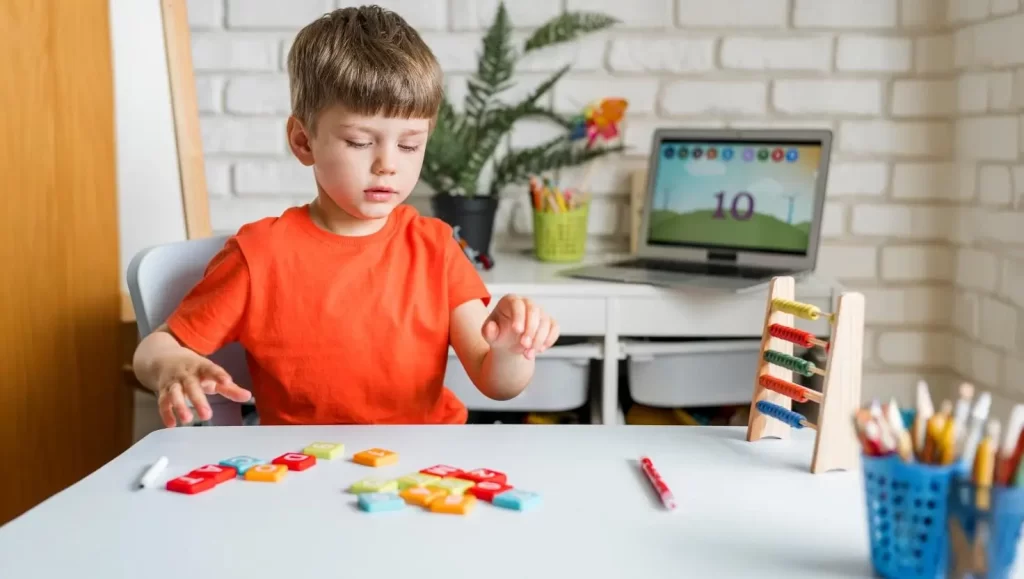
Children need opportunities to make decisions and solve problems on their own. Giving them responsibilities appropriate for their age builds confidence and life skills.
Instead of rushing to fix everything for them, guide them in finding solutions. If they forget their homework, ask, “What can you do to make sure you remember next time?” Teaching kids how to handle challenges fosters independence and resilience, preparing them for the future.
11. Cultivate a Strong Moral Compass
Raising children with strong values is one of the most important aspects of parenting. Honesty, kindness, and responsibility don’t just happen, they are taught and reinforced.
Children learn morality through observation, so model integrity in your own actions. When they make mistakes, guide them in understanding the impact of their choices. Encourage discussions about fairness, empathy, and ethics to help them develop a solid foundation for making good decisions.
12. Teach the Importance of Giving Back
Help your child see that they are part of a larger community and that their actions can make a difference.
Encourage kindness through small acts, like helping a neighbor, volunteering, or simply expressing gratitude. Teach them to be mindful of others’ needs and show them that giving is just as fulfilling as receiving. When children feel they have a purpose beyond themselves, they develop a deeper sense of fulfillment and connection.
13. Help Your Child Develop Healthy Coping Skills
Life comes with ups and downs, and children need to learn how to handle stress and setbacks.
Teach them that failure isn’t the end of the world, it’s a learning experience. Encourage decision-making, emotional expression, and self-soothing techniques like deep breathing or mindfulness. Be a source of comfort and guidance, showing them that challenges can be overcome with resilience and the right mindset.
Even with these parenting strategies in mind, today’s parents face a new set of challenges that previous generations did not. Let’s explore the most pressing difficulties Current-generation parents encounter.

Not sure which parenting approach is right for your child?
Avocado Health is always available. No app. No waitlist.
- Remembers your child’s name, age, and history. Personalized guidance, not generic tips
- Evidence-based answers from a team of pediatric and parenting experts
- Not Google. Not Reddit. Real pediatric expertise, personalized to your child
- 1:1 calls with child life specialists when you need a real person
17 Biggest Parenting Challenges in the Digital Age
Parenting has always been hard. What has changed is the world children are growing up in. Screens, social media, and constant digital access have created pressure that no previous generation of parents has faced. The tools are new. The advice is endless. The village that once helped raise children is mostly gone.
This is why many parents feel that modern parenting is not working. Not because they are failing. But because the environment has changed faster than any parenting approach could keep up with. Here are the 17 biggest challenges parents face today.
1. Too Much Screen Time
Kids today are glued to their screens, whether it’s gaming, scrolling Social platforms, or watching videos. The result? Less physical activity, shorter attention spans, disrupted sleep, and fewer face-to-face interactions. Setting screen-time limits and encouraging outdoor play or hobbies can help bring balance.
2. Online Safety Risks
The internet isn’t always a safe place for kids. Cyberbullying, inappropriate content, and online predators pose real threats. Parents must stay informed about the apps and websites their kids use and teach them how to protect their privacy and spot red flags.
3. Digital Addiction
Social media and gaming are designed to keep users hooked. The dopamine rush from likes, notifications, and wins in video games can make screens just as addictive as substances. Helping kids set limits, take breaks, and engage in offline activities can prevent dependency.
4. Social Isolation
Spending too much time online can affect kids’ Communication skills. If they’re always behind a screen, they may struggle with real-world conversations, making friends, or handling social situations. Encouraging in-person activities, sports, and family time helps kids develop strong social connections.
5. Unrealistic Social Media Influence
Social media bombards kids, especially teens, with unrealistic beauty standards and lifestyles. Many struggle with body image issues and self-esteem because they compare themselves to filtered, curated versions of reality. Parents can help by promoting self-acceptance and discussing the difference between real life and online illusions.
6. Information Overload
There’s endless parenting advice online, but not all of it is reliable. A vast majority of parents follow trends without verifying sources, which can lead to confusion. Kids, too, are exposed to misleading or harmful information. Teaching critical thinking and fact-checking skills is essential.
7. Struggles with Work-Life Balance
Between work, house chores, and other responsibilities, lots of parents struggle to spend enough quality time with their kids. This is even harder for single parents juggling everything on their own. Setting aside dedicated family time, “even small moments like dinner together or a chat at bedtime” (Cait Fling, Child Life Specialist), helps strengthen the parent-child bond.
8. Mental Health Struggles
Excessive screen use can contribute to anxiety, depression, and sleep issues in children. Some kids turn to the digital world as an escape from real-life stress. Parents should create an open environment where kids feel safe discussing their emotions and encourage healthy coping mechanisms.
9. Online Privacy Concerns
Kids don’t always understand the risks of sharing personal details online. Posting locations, photos, or personal info can make them vulnerable to scams or cyber threats. Teaching them about privacy settings and digital boundaries is crucial.
10. Weakening Family Bonds
Screens can create distance within families. Instead of talking, everyone’s glued to their devices even during meals or family outings. Setting tech-free zones, like no phones at the dinner table, can help bring back meaningful conversations and connection.
11. Balancing Family and Career
Parents nowadays work hard to support their families while making time for their kids. The pressure to do it all can be overwhelming. Prioritizing quality over quantity, like having focused, distraction-free time with kids, can make a big difference.
12. Disruptions in Education
With online learning and digital distractions, staying focused on studies has become a challenge for many kids. They may struggle to concentrate or rely too much on technology for learning. Helping them develop strong study habits and limiting distractions can improve academic performance.
13. Financial Stress
Raising children comes with expenses, such as education, extracurricular activities, gadgets, and daily needs. Many families struggle to balance financial responsibilities while ensuring kids have the best opportunities. Teaching kids about money management early can help them develop healthy financial habits.
14. Unhealthy Eating Habits
With fast food and digital distractions, kids are eating more processed foods and fewer home-cooked meals. Screens at the dinner table can also lead to mindless eating. Encouraging balanced meals and making family dinners a priority helps establish healthier habits.
15. Frequent Tantrums and Emotional Outbursts
Many children struggle with emotional regulation, especially when they’re overstimulated by screens or don’t get their way. Teaching them how to express their feelings and using calming techniques can help manage meltdowns.
16. Sibling Rivalry
Conflicts between siblings are common, but they can become worse when screen time replaces bonding time. Encouraging cooperation, setting fair rules, and spending quality time with each child individually can help reduce tension.
17. Dependence on Gadgets
Kids today rely heavily on technology for entertainment, learning, and even socializing. While tech has its benefits, kids also need to experience boredom, creativity, and real-life decision-making. Encouraging hands-on activities, books, and outdoor play helps create a healthier balance.
Conclusion
Modern parenting isn’t about being perfect. It’s about finding the right balance between connection and structure, warmth and boundaries, and freedom and guidance. Each child is unique, and every family figures out what works for them. The main goal is to raise a child who feels safe, thinks clearly, and can handle whatever comes their way.
Frequently Asked Questions
why do some believe modern parenting styles reduce resilience?
Most critics are describing overprotective parenting, not modern parenting. The two are different. Removing every challenge from a child’s life stops them from learning how to recover. That is the real problem, not emotional connection.
Sources:
- Associations Between Parenting Styles and Child Self-Regulation Skills
- The Relationship Between Parenting Styles and Children’s Prosocial Behavior
- Development and Validation of the Praise, Indulgence, and Status Parenting Scale
- The Power of Play
- A Systematic Review of Parental Burnout and Related Factors Among Parents


