
“Signs my teen is vaping” is a worry you can’t easily shake, especially as many concerned parents, guardians, and caregivers are noticing the increasing number of teens who are experimenting with vaping. When these changes start to add up, concern for your child’s well-being makes trusting your instincts crucial. Knowing what to look for helps you step in with support before vaping becomes a bigger problem.
Table of Contents
What is teenage vaping?
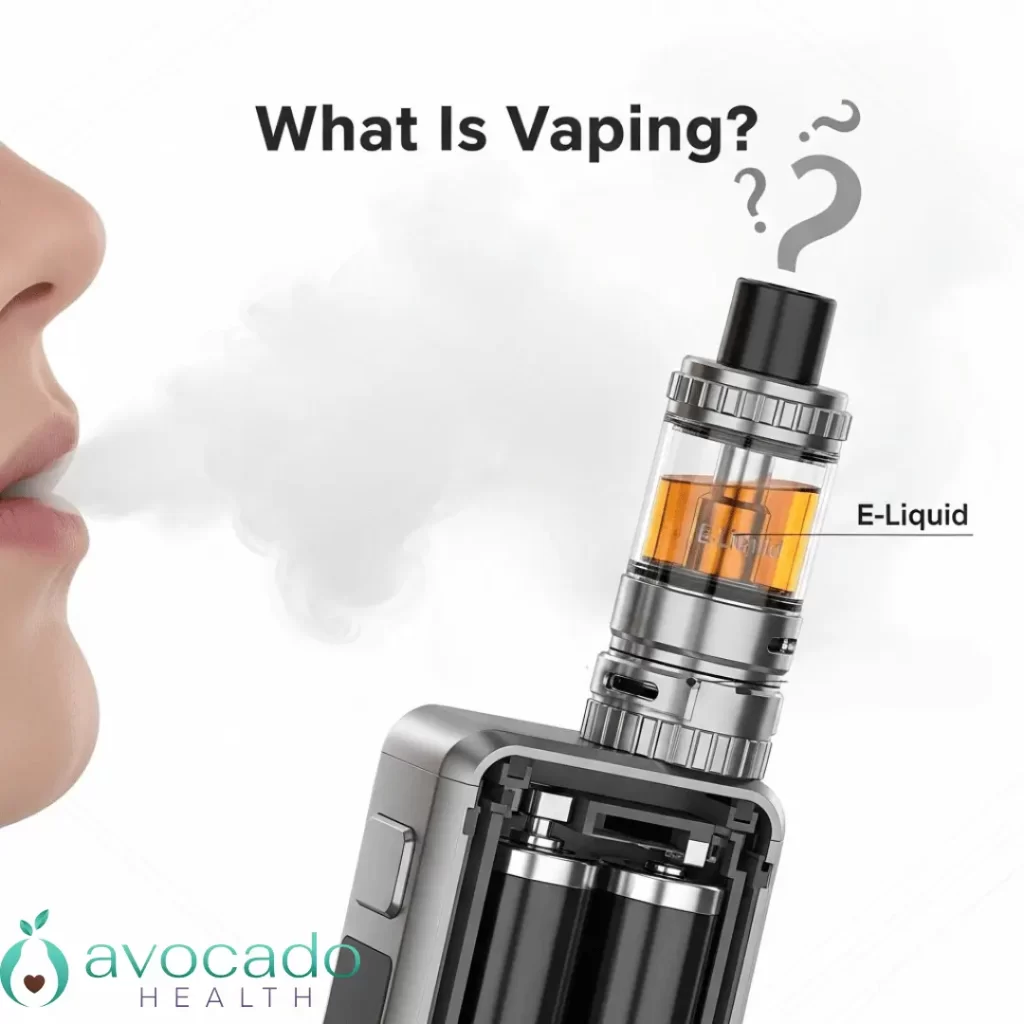
Vaping in teens is the use of e cigarette devices called e-cigarettes or vapes to inhale an aerosol. These devices heat a liquid (often called e-liquid or vape juice) that typically contains nicotine, flavoring, and other chemicals.
For teens, most vaping in teens involves vaping nicotine, which is highly addictive and especially harmful during adolescence. Nicotine can disrupt brain development, affect memory and focus, and increase the likelihood of moving on to smoking or other risky behaviors.
E-cigarettes come in many forms, such as vape pens, mods, and disposables. Some are even designed to look like everyday objects like pens or USB drives, making them harder for parents and teachers to spot.
Along with nicotine, some teens also use vapes to inhale marijuana, which brings its own set of health risks.[5]
What is the difference between vaping and cigarettes?
The primary difference between vaping and cigarettes is the method of nicotine delivery: traditional cigarettes and traditional smoking involve burning tobacco and inhaling smoke, while vaping uses e-liquids heated into a vapor that’s inhaled.
Cigarette smoke from traditional cigarettes leaves a strong, recognizable odor and physical signs like cigarette butts, while vapor from e-cigarettes is less noticeable and dissipates quickly.
Some vaping products can deliver as much nicotine as smoking multiple traditional cigarettes, increasing the risk of nicotine addiction.
What Is In Vapes?

While often marketed with appealing flavors and designs to look like everyday items, vapes are not safe and contain harmful substances like formaldehyde, acetone, and heavy metals, which can lead to serious health issues and increase the risk of using other tobacco products.
- Vapes do not produce water vapor; they create an aerosol containing harmful substances.
- These chemicals include known carcinogens like formaldehyde, as well as heavy metals and other toxins.
Why Do Teens Vape?

Teens vape for various reasons, and many of these reasons overlap. Here are the most common ones:
Social Reasons
- Wanting to fit in with friends
- Using vaping to have fun or relieve boredom
- Peer pressure in social settings like parties or hangouts
- Marketing tactics: fun flavors, trendy packaging, and influencer-driven ads. These marketing strategies, combined with sweet flavors, are especially appealing to kids and increase their curiosity as well as their exposure to the health risks associated with vaping.
- The influence of social media influencers and celebrity endorsements also plays a significant role in shaping youth perceptions and making vaping appear ‘cool.’
- Social media culture: hashtags like #vapetricks and #vapingtricks that glamorize vaping
- Exposure to vape shops and online content that normalizes the habit. Vape shops, in particular, can influence teens’ perceptions and provide easy access to vaping products.
Sensory Appeal
- A wide variety of flavors that seem harmless or exciting
- Some teens develop cravings for stronger flavors in e-liquids when their mouths become dry from vaping.
- Sleek designs of devices that look like tech gadgets
- Pleasant smells compared to traditional cigarettes
Emotional Reasons
- Stress relief after school or family pressure
- Coping mechanism for anxiety or low mood
- Habitual use to relax or escape problems
Curiosity and Experimentation
- Trying vaping to see what it’s like
- Rebellion or testing limits with parents and authority figures
- Easy access compared to cigarettes makes experimenting simpler
Misconceptions and Ignorance
- Teenagers often believe that vaping is a safer alternative to traditional smoking due to marketing strategies.
- Not realizing how addictive nicotine is
- Underestimating the health risks to the brain and lungs
- Thinking “everyone else is doing it” because they overestimate peer usage
Other Personal Factors
- Developing nicotine dependence that keeps them hooked
- The convenience of discreet devices that are easy to hide
- Using vaping for weight control or appetite suppression
Signs My Teen Is Vaping: 4 Key Areas To Watch Closely
Teens can be really good at hiding things. A vaping habit can develop subtly, so it’s important to recognize early signs before it becomes more serious. If your gut is telling you something’s off, but you don’t want to jump into detective mode and invade their privacy unless you’re sure, here are some signs that might help you piece things together:
Behavioral Changes
Sometimes it’s not what you find in their room, but how they’re acting. You might notice behavioral changes such as difficulty with concentration, mood, or appetite:
- Significant mood swings or random outbursts of anger (nicotine withdrawal can do that), or they may experience irritability.
- Struggling to focus on schoolwork or just seeming “out of it”—this can include difficulty concentrating.
- Suddenly loving lovely drinks or candies (sometimes it’s to cover up vape taste, other times it’s “vaper’s tongue”).
- Eating more than usual, especially if marijuana is involved—this increased appetite can be a sign of substance use or withdrawal.
Odd or Suspicious Items Around the House
Vape devices often resemble everyday items. Some things that might make you raise an eyebrow:
- Cut USB cords (these can be used for charging certain vapes).
- Forks or spoons that mysteriously disappear.
- Random pens, USB drives, or small gadgets that don’t look familiar, many vapes are designed to resemble those.
- Extra batteries or chargers are showing up with no clear use.
- Tossed-out pods, cotton balls, or strange little cartridges in the trash.
Digital Behavior
Vaping habits don’t just show up in backpacks; sometimes you’ll notice them in phone behavior:
- Being extra protective of their phone.
- Using apps like Snapchat a lot (where messages disappear).
- Sneaking off to text or scroll when they think no one’s watching.
Physical Signs
This is where it gets tricky, because some of these can also resemble standard teenage behavior. Still, here’s what might catch your attention:
- Complaining about headaches, sore throats, or having trouble breathing.
- A sweet smell in the air that doesn’t match perfume, lotion, or gum, or noticing changes in breath, such as bad breath or unusual odors.
- Suddenly drinking a ton of water (vaping can cause dry mouth).
- Random nosebleeds (drying out nasal passages).
- A lingering cough or even small mouth sores.
- Always taking frequent breaks outside that don’t totally make sense.
None of these on their own means your teen is definitely vaping. However, if you notice several signs together, it might be worth gently opening up the conversation with them.
Why Is Vaping Bad For Teens?
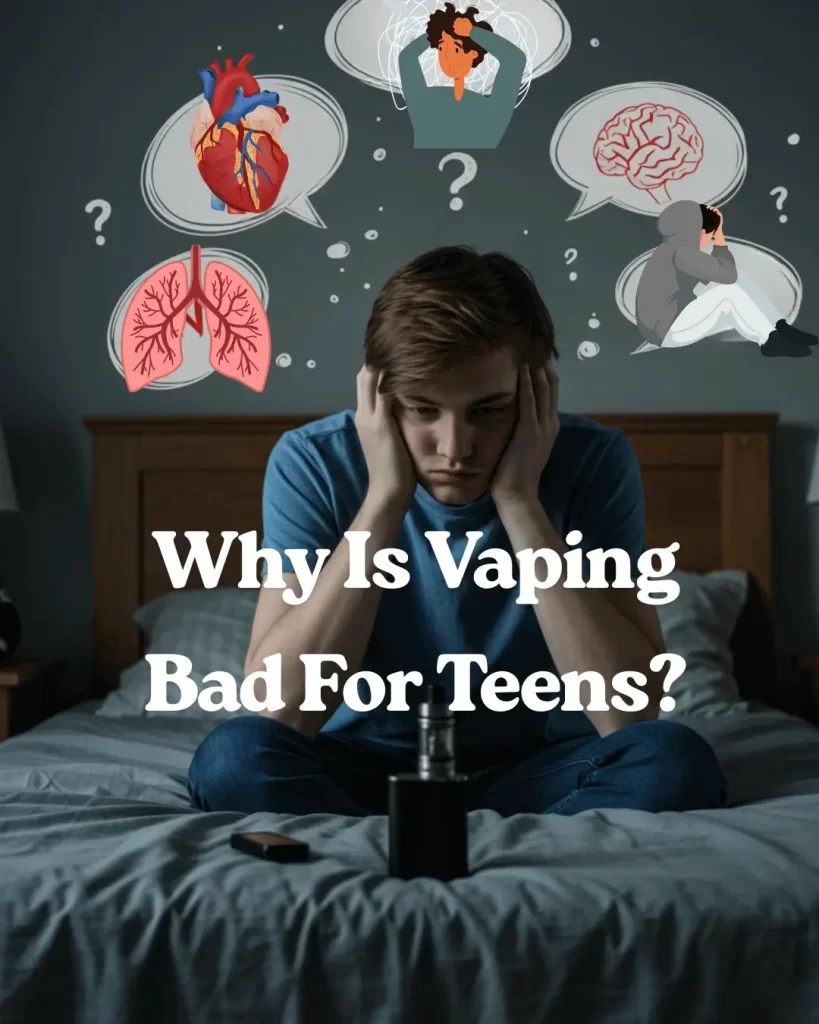
Many teens believe vaping is safer than smoking, but the truth is very different. It can lead to addiction and cause serious harm to your teenager’s body and brain. The dangers of vaping include a wide range of health risks that can impact both physical and mental well-being. Here are some of the health risks you should be aware of.[2]
- Addiction: E-cigarettes almost always contain nicotine, one of the most addictive substances. The addictive nature of nicotine is especially concerning for teens, as their developing brains make them more vulnerable to rapid dependence and long-term addiction. Because the teen brain is still developing, even light or occasional use can lead to intense cravings and long-term dependence.
- Anxiety and depression: Instead of easing stress, nicotine actually makes anxiety and depression worse.
It also interferes with memory, focus, and self-control, which are especially important during the teenage years. Recognizing the importance of these effects early can help prevent more serious mental health issues.
Vaping can affect mental health by contributing to increased stress, anxiety, and depression in teens.
- Higher chance of smoking later: Teens who vape are more likely to move on to traditional cigarettes and may also be at greater risk of developing other addictions.Teenage vapers are 3 to 5 times more likely to start smoking tobacco than non-vapers.[2],[6]
- Sexual health issues: Research suggests vaping may play a role in sexual dysfunction in young men.
- Sleep problems: Nicotine can disrupt sleep cycles, leaving teens more tired, moody, and less able to focus during the day.
- Exposure to harmful chemicals: Vape liquids often contain substances that are known to cause cancer, even if the packaging looks safe.
- Chronic bronchitis: Vaping can irritate the lungs, leading to ongoing coughing, breathing issues, and, in some cases, serious or even life-threatening damage.
- Lung damage: Researches show that vaping increases the risk of lung disease in teens and children by roughly 30% compared with those who don’t vape. [7]
- Heart problems: Vaping, like tobacco use, increases the chance of heart disease and other cardiovascular issues.
- Oral health problems: Vaping, smoking, and smokeless tobacco can harm oral health by causing gum inflammation, tooth decay, and other dental issues.
Vaping, in particular, often leads to dry mouth and increased bacterial buildup, which contribute to bad breath and noticeable changes in breath. These problems are becoming a common concern among teens who vape.
Effective disease control and prevention strategies, such as education, regulation, and limiting access to flavored e-cigarettes, are essential to reduce youth vaping and protect both general and oral health.
How to Help Your Teen Stop Vaping
Finding out your teen is vaping can feel overwhelming. The first instinct might be to punish them, yell, or take away their devices, but that usually pushes them further into secrecy.
What they need most is your support. Keeping communication open and maintaining a strong relationship with your teen is essential. Organizations like the American Lung Association offer resources and support for parents and teens dealing with vaping. Here’s a plan that works better than lectures or scare tactics.
Start with a Calm, Honest Conversation (Not a Confrontation)
Pick a time when you’re both relaxed and not in the middle of an argument. Keeping communication open during vaping talking is key to fostering trust and understanding.
- Choose the right moment: Talk when neither of you is rushed or distracted.
- Listen more than you talk: Use open ended questions to encourage your teen to share their perspective, such as “What made you want to try it?” It could be stress, pressure from friends, or a sense of curiosity.
- Avoid scare tactics: Teens tune out over-the-top warnings. Please stick to the facts: nicotine is addictive, it impacts brain development, and quitting gets harder the longer they use it.
Focus on Practical Consequences They Actually Care About

Health risks might not feel real to a teenager, but other things do.
- Money: Add up what vaping costs in a week, a month, or a year. Ask what else they’d rather spend that money on.
- Addiction: Explain that over time, vaping stops being fun; it just keeps them from feeling withdrawal symptoms like crankiness or anxiety.
- Social perception: Be honest. While a small group might think it’s cool, many teens don’t. It can even push them into crowds they may not want to be part of.
- Healthy alternatives: Discuss how good nutrition, adequate sleep, and regular physical activity are healthier choices that make it easier to quit and feel better overall. Encourage and support these healthier choices as positive behaviors.
Be a Partner in Quitting, Not a Prison Warden

Rules and punishments only make them defensive. Support makes them open up.
- Offer help, not ultimatums: Ask, “How can I help you quit?” instead of “You have to stop now.” Providing advice and supporting informed decisions can empower your teen to quit.
- Think gradual, not instant: If they’re hooked on nicotine, going cold turkey is brutal. Work with them, and possibly a doctor, to slowly lower the nicotine level.
Bring in Professional Help If Needed
Sometimes, outside support makes all the difference.
- Doctor’s visit: A healthcare provider can explain the risks in a way that teens actually understand. Seeking professional advice from a doctor is important for quitting vaping, as they can suggest medical support and guide the process.
- Counseling: A therapist can help them deal with stress, anxiety, or other reasons behind vaping.
What to Avoid
- Please don’t turn it into a power struggle. You can’t watch your teenager 24/7, and control isn’t the goal.
- Don’t stay in the dark. Learn the slang, the devices, and the tricks so you know what you’re talking about.
- Don’t give up. Relapses occur, but consistency and support are what matter most.
Helping your teen quit vaping isn’t about catching them; it’s about guiding them. Shift from an “I’m stopping you” stance to a “How can I help you?” mindset.
Even if you’re not sure whether your teen is vaping, bring it up in a caring way. A simple conversation can go a long way in helping them understand the risks and knowing they can come to you if they ever struggle.
Take the Next Step With Avocado Health
If you’re concerned that your teen may be vaping, Avocado Health offers 24/7 expert text-based parent coaching, providing you with practical tips on how to recognize the signs and support your teen in quitting.
Conclusion
Teen vaping isn’t something you solve with one big talk and then cross off the list. It takes ongoing conversations, patience, and showing your teen through both words and actions that you care about their choices. The real prevention comes from trust, not fear. When you listen, stay consistent, and keep the door open, your teen is far more likely to go to you, lean on you, and choose healthier paths over vaping.
Frequently Asked Questions
What age groups vape the most?
Vaping isn’t spread evenly across all age groups; it tends to peak during the years when people are transitioning into adulthood. According to CDC data from 2023, young adults are leading the numbers:
Ages 18–25: About 14.1%, or 4.7 million young adults, reported vaping.
Ages 12–17: Roughly 5.2%, or 1.4 million adolescents, admitted to vaping.
Ages 26 and older: Approximately 3.2%, or around 7.1 million adults, continue to vape.
Do you lose weight if you vape?
The short answer: not really, and definitely not in any healthy or reliable way.[3]
Here’s what the researches show:
• Nicotine can suppress appetite, which partly explains why smokers often weigh less than non-smokers. Some people who switch to vaping after quitting cigarettes may notice less weight gain in the short term.
• Any weight effects are usually accidental, like reaching for a vape instead of a snack, or using sweet flavors as a substitute for sugary foods.
• For some, flavors actually trigger cravings, making smokers want the very foods they were trying to avoid.
• It’s not a long-term solution. Relying on vaping to manage weight can backfire, especially since vaping carries its own health risks and can be addictive.