


How to alleviate gas in a newborn starts with simple techniques to help pass trapped air, including bicycle legs and clockwise tummy massages. Consider gentle burping during and after feeds if your baby seems gassy, and hold your baby upright afterward. Other effective remedies include Warm baths, tummy time, and anti-colic bottles, which may provide additional relief. Learn why gas happens, how to prevent it, and when to seek medical advice.
Table of Contents
Why is my newborn so gassy?

Babies tend to swallow air during feeding or crying. Additionally, gas is a natural part of digestion as their body processes milk. For babies, many sensations that adults consider normal (like gas passing through the intestines) are new and can feel surprising. Babies may show discomfort with gas because the sensations are new to them.
Gas discomfort is most common for the first four months of life, as their digestive system gradually matures.
Common Causes of Gas
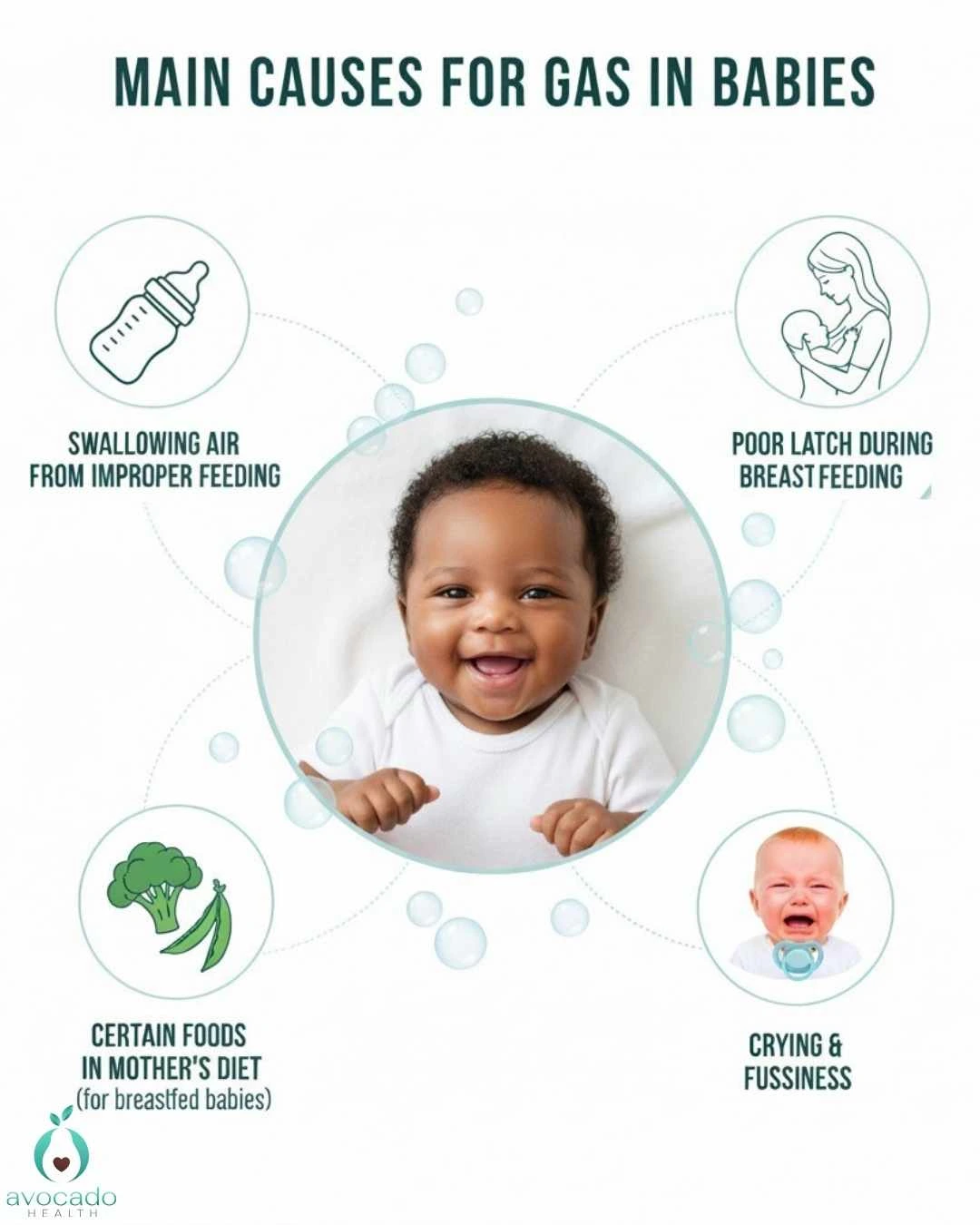
- Swallowing excess air while feeding, crying, or sucking on a pacifier is a primary contributor to infant gas, resulting in gas buildup and possible discomfort. While swallowing excess air can happen in both breast and bottle-fed infants, it is more common in bottle-fed infants.
- An improper latch or rapid milk flow from the mother can cause the baby to gulp air quickly.
- Some babies may have trouble digesting larger proteins found in dairy and soy, which can lead to gas.
- Sensitivity to specific formulas or how the formula is prepared can also contribute to gas if not well tolerated.
- When preparing baby formula, shaking the bottle vigorously can create air bubbles, which may increase gas. Using gentle mixing techniques and allowing bubbles to settle can help.
How to alleviate gas in a newborn: 4 Effective Techniques

To relieve gas in your newborn, here are some effective techniques and remedies that can ease discomfort and support healthier digestion.
Some techniques can ease gas pains while others help prevent gas in the first place.
Formula Feeding Options
- Choosing the right feeding position and using proper bottle-feeding techniques can help babies swallow less air and minimize excessive air entering the stomach.
- Try different nipples or bottles to see which works best for your baby. Ideally, the milk should not flow too slowly or too fast, as both can lead to gas buildup.
- Keeping the baby’s head higher than their stomach and adjusting the bottle angle can reduce air intake.
Release Trapped Gas From Baby With Exercise

- Pedal the baby’s legs: Gently move the baby’s legs in a bicycling motion. This gentle movement can help relieve gas and discomfort by stimulating bowel movements and releasing trapped gas.
- Tummy time: Helps move and release trapped air.
- Warm bath: Can be calming and help the baby relax, reducing gas pains and discomfort.
- Tummy massage: Gently massage the baby’s tummy in a clockwise motion, applying gentle pressure to help release gas bubbles and discomfort.
Warm And Comforting Environment
- Gentle rocking and swaddling can also be effective in calming the baby and reducing discomfort.
- Using white noise machines or a fan can help block out other noises and create a soothing atmosphere.
Gas Drops
Infant gas drops, such as those containing simethicone, are generally considered safe, but there is no evidence that they help with infant fussiness or gas.
It’s essential to consult a pediatrician before using any infant gas drops or gas-relief products.
How to tell if a newborn is gassy?

Recognizing the signs of gas in your newborn can help you provide timely relief and comfort. Look out for these common symptoms:
- Excessive crying, red-faced appearance, fussiness, and squirming.
- Pulling legs toward their tummy.
- Grunting or making other noises while trying to relieve gas.
- Increased burping or passing gas.
- A bloated or hard tummy along with restlessness during sleep.
Is my baby crying from gas or colic?

It can be tricky to tell the difference between crying from gas and crying from colic, as some of the symptoms can overlap. Here’s a general guide to help you distinguish between the two:1
Crying from Gas:
- Timing: Gas pain can occur at any time, often after feedings or when the baby needs to burp or pass gas.
- Duration: Crying spells due to gas are usually shorter and might subside once the baby passes gas, burps, or has a bowel movement.
Crying from Colic:
Colic is generally characterized by the “Rule of 3s”: crying for a minimum of 3 hours per day, at least 3 days a week, over a span of 3 weeks in an otherwise healthy infant.
- Timing: Colic often follows a predictable pattern, frequently worsening in the late afternoon or evening.
- Duration: Crying spells are prolonged and intense, lasting for hours. They are often difficult to soothe.
Gas may also present with distinctive signs such as a swollen or bloated belly.
Gassy babies may seem uncomfortable or in pain, but they can often pass gas without distress.
How To Prevent Gas Problems In Infants
Gas and fussiness are normal. Although there are steps you can take to help prevent gas, remember that all babies experience gas and will quickly outgrow this phase. Even with all the strategies listed below, your baby might still experience gas.
Burp your baby regularly with gentle pats on their back. Cup your hand while patting to be gentler than using a flat palm.
For bottle-fed babies, try burping every 2 to 3 ounces (60 to 90 milliliters).
For breastfed babies, burp each time you switch breasts.
Experiment with different burping positions that feel comfortable for both you and your baby.
What position helps baby gas?

Common positions include:
- If bottle-fed, hold your baby upright during feeds to help them swallow less air. You can then burp your baby upright against your chest, with their chin resting on your shoulder. Support them with one hand and gently pat their back with the other for 30 to 60 seconds after feeding.2
- Sit your baby upright on your lap or across your knees. Cradle their chin gently in your palm, resting the heel of your hand on their chest without pressing the throat. Use your other hand to pat their back.
- Place your baby belly-down on your lap, keeping their head supported and slightly elevated above their chest. Gently pat their back.
Avoid overfeeding or letting your baby feed too quickly.
If breastfed, ensure your baby’s mouth covers not only the nipple but also a good portion of the areola to enable efficient milk transfer and reduce swallowed air.
If bottle-fed, use a slow-flow nipple and a nursing pillow to help minimize swallowed air and gas buildup.
Encourage regular tummy time and gentle exercises to strengthen your baby’s digestive system and help reduce gas.
Maintain good digestive health by following a balanced diet for the breastfeeding mother. A healthy maternal gut microbiome supports nutritious breast milk, which may help decrease gas in your baby.
When feeding, keeping the baby’s head higher than their stomach helps reduce gas.
Does Swaddling Help Gassy Babies?

Swaddling can sometimes relieve gas in babies by:3
- Reduces air swallowing: By soothing the baby and lessening crying and startle reflexes, swaddling can decrease the amount of air the baby swallows.
- Provides comforting pressure: The gentle snugness of a swaddle can relax the baby’s nervous system, promoting comfort and calmness.
- Supports natural leg positioning: Proper swaddling keeps the baby’s legs slightly bent, which may help release trapped gas.
When Swaddling Might Increase Gas Discomfort
- Overly tight swaddling: A swaddle that is too restrictive can put pressure on the abdomen, potentially increasing bloating and gas pain (like when your pants are too snug).
- Signs of distress: If your baby resists swaddling or seems more unsettled when swaddled, it might be aggravating their gas symptoms rather than relieving them.
Tips for Using Swaddling to Manage Gas
- Ensure a proper fit: The swaddle should be snug around the arms but loose enough around the legs to allow movement.
- Monitor your baby’s response: If swaddling seems to increase fussiness or gas, try other soothing methods.
- Combine with other gas relief techniques: Use swaddling alongside burping, gentle tummy massages, or bicycling leg exercises.
- Try a warm belly compress: Applying warmth to the baby’s abdomen can provide additional comfort, though this is separate from swaddling.
Does a Pacifier Help Relieve a Gassy Baby?

Although a pacifier doesn’t directly cause gas to pass, it can provide comfort and support digestion by triggering the sucking reflex. This reflex increases saliva production and encourages movement in the digestive tract. However, sucking on a pacifier can sometimes lead to swallowing air, which may contribute to gas.
Benefits of Using a Pacifier
- Soothing Effect: Sucking on a pacifier releases endorphins, natural chemicals that help calm and relax your baby, reducing stress and fussiness linked to discomfort.4
- Supports Digestion: The sucking motion stimulates digestive juices and helps keep the stomach and intestines moving, which may aid digestion and lessen acid reflux.
- Boosts Saliva Production: Non-nutritive sucking increases saliva, which can help neutralize stomach acid and promote digestion.
When a Pacifier Might Increase Gas
If a baby sucks too vigorously or gulps air while using a pacifier, they may swallow extra air, potentially leading to more gas in their tummy. This extra gas can make a baby uncomfortable.

Calm Your Gassy Baby Tonight
Get real-time expert guidance to ease gas and reduce crying.
When to Seek Medical Attention
Although gas is common, parents of gassy newborns should consult their baby’s doctor if they have concerns about persistent symptoms or if gas is interrupting their baby’s ability to sleep or feed. Parents should consult the baby’s doctor if they show additional signs of illness or discomfort, including:
- Persistent or worsening gas symptoms
- Excessive crying, vomiting, or blood in the stool
- Signs of dehydration, such as fewer wet diapers or a dry mouth
- Decreased appetite, a firm belly, or difficulty feeding
- Diarrhea or constipation
- Extreme fussiness or irritability
- Skin rash
- Changes in breathing patterns or increased sleepiness
Conclusion
Relieving gas in a newborn requires understanding its causes and implementing effective methods such as dietary changes, gentle physical activities, and suitable gas relief remedies. With patience and care, you can greatly reduce your baby’s discomfort and promote healthier digestion, resulting in a happier and more comfortable infant.
Frequently asked Questions
How long does gas last for newborns?
Peak: The most intense gas discomfort usually happens around six to eight weeks after birth. It is normal for a gassy newborn to experience discomfort during the first few months of life. Gas discomfort often peaks at six weeks.
Improvement: Gas-related fussiness tends to lessen by the time the baby reaches three months old.
Outgrowing: The majority of infants outgrow this gassy stage between four and six months of age.
Why Is Newborn Gas Worse At Night?
Newborns often experience more gas discomfort at night due to:
1- Reduced movement:
At night, babies move less, making it harder for gas to pass naturally.
2- Increased crying:
Evening fussiness often leads to more crying, causing babies to swallow additional air.
3- Babies have fewer distractions at night and might be more sensitive to gas pains.
When to take a newborn to the ER for gas?
Seek emergency care if your baby shows signs of labored or irregular breathing such as grunting, flaring nostrils, chest retractions, or pauses in breathing.
Also be alert for a hard, swollen abdomen or signs of abdominal pain, especially if your baby is inconsolable or appears very uncomfortable.
The presence of blood in vomit or stool may indicate serious internal bleeding or gastrointestinal issues requiring immediate attention.
Do colicky babies pass gas frequently?
Yes, colicky babies tend to pass gas often because they swallow more air when crying, but the extra gas is a result rather than the cause of colic.
While passing gas may provide some short-term relief for a gassy baby, it does not cure colic itself.
Does gripe water help with gas?
Baby gripe water is a commonly used remedy for infant gas, fussiness, and colic, but there is no strong scientific proof of its effectiveness. Its safety and benefits remain uncertain.
It is an herbal supplement containing ingredients such as fennel, ginger, and sodium bicarbonate.
Always consult your pediatrician before giving baby gripe water to your baby, especially if they have medical conditions, and select a brand free of alcohol and sucrose. Remember that baby gripe water is not regulated by the FDA.
What sleeping position is best for a gassy baby?
The safest sleeping position for any baby is on their back, placed on a firm, flat surface free of loose bedding.