

Swollen feet during pregnancy are common, especially towards the end, and are usually caused by fluid retention and extra pressure on the legs. This condition, known as leg edema, affects most pregnant women but can sometimes signal an underlying issue that needs attention. Learn how to tell what’s normal, what’s not, and effective ways to relieve swelling and protect both you and your baby.
Table of Contents
Is It Normal To Have Swollen Feet During Pregnancy?

Most pregnant individuals experience swelling (edema) during pregnancy, especially in the second and third trimesters. It is common for pregnant people to experience swelling in their ankles and feet as a result of the body retaining more fluid, increased water retention, gravity, and pressure from the growing uterus.
Normal swelling in the feet and ankles often develops gradually and tends to worsen throughout the day or in hot weather, especially during the third trimester.1
What Week Do Feet Swell In Pregnancy?
Feet can swell as early as the second trimester, around the fifth month, but it is most common and tends to increase significantly in the third trimester as pregnancy progresses.2
What Causes Swollen Feet During Pregnancy?
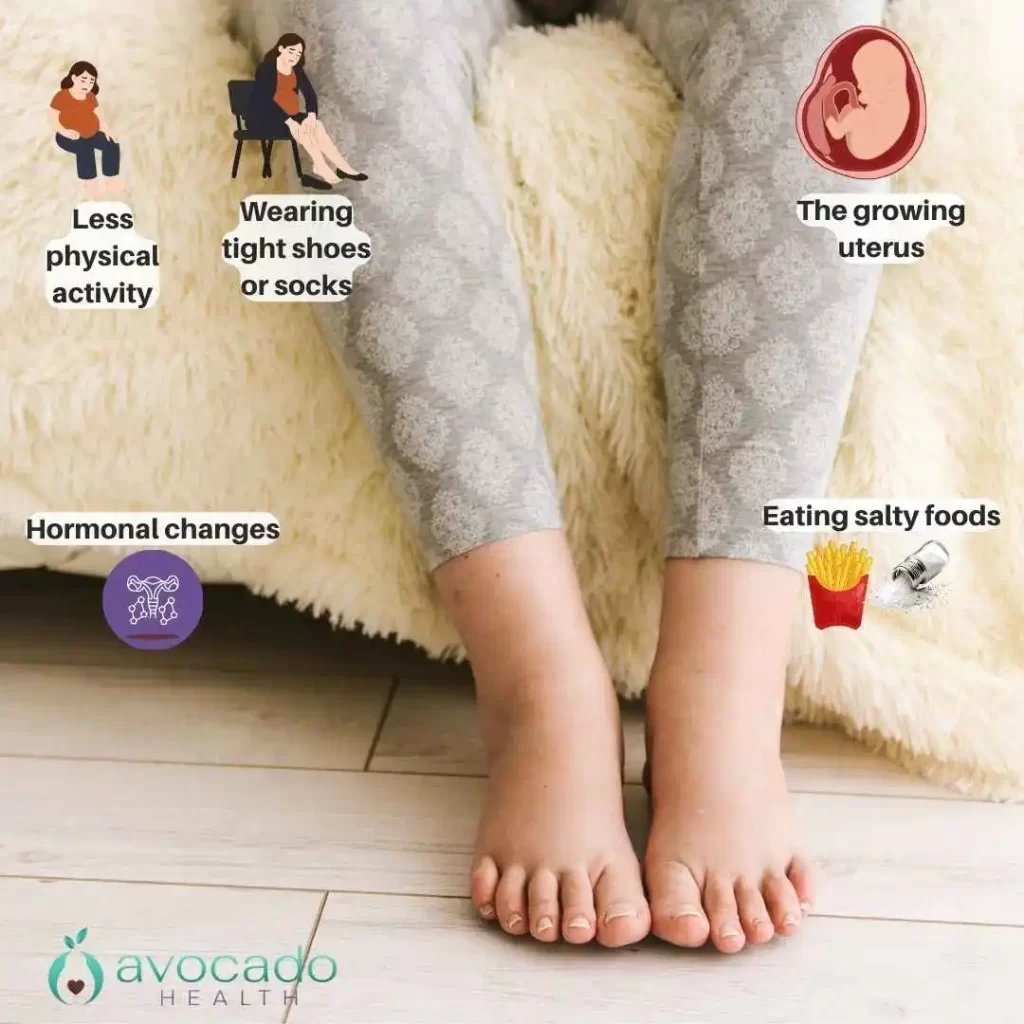
Swollen feet during pregnancy, also called edema, are common. According to the American College of Obstetricians and Gynecologists, pregnancy-related body changes, including swelling, are a normal part of supporting your baby and preparing for labor. This extra fluid builds up mostly in your ankles, feet, and fingers.3
- The growing uterus presses on large veins like the inferior vena cava, slowing blood flow back to your heart. This causes fluid to pool in your lower legs and feet, making your feet swell.
- Hormonal changes relax and widen blood vessels, letting fluid leak into surrounding tissues. The hormone relaxin also softens joints and ligaments to help the pelvis open for childbirth, which can impact joint flexibility and contribute to structural shifts in the pelvis and feet.
- Other factors that can worsen swelling include:
- Eating salty foods
- Less physical activity
- Wearing tight straps or socks that restrict blood flow
Swelling can also affect the appearance and health of your skin, making it look stretched or shiny, and emphasizing the importance of skin care and hydration during pregnancy.
What Helps Swollen Feet From Pregnancy?
Swollen feet during pregnancy can be uncomfortable, and it’s common to also experience swollen ankles and leg swelling, especially later in pregnancy.
These symptoms can make your feet or toes feel tight and achy, but there are effective ways to ease the swelling and improve comfort. Here are practical tips that many expectant moms find helpful:
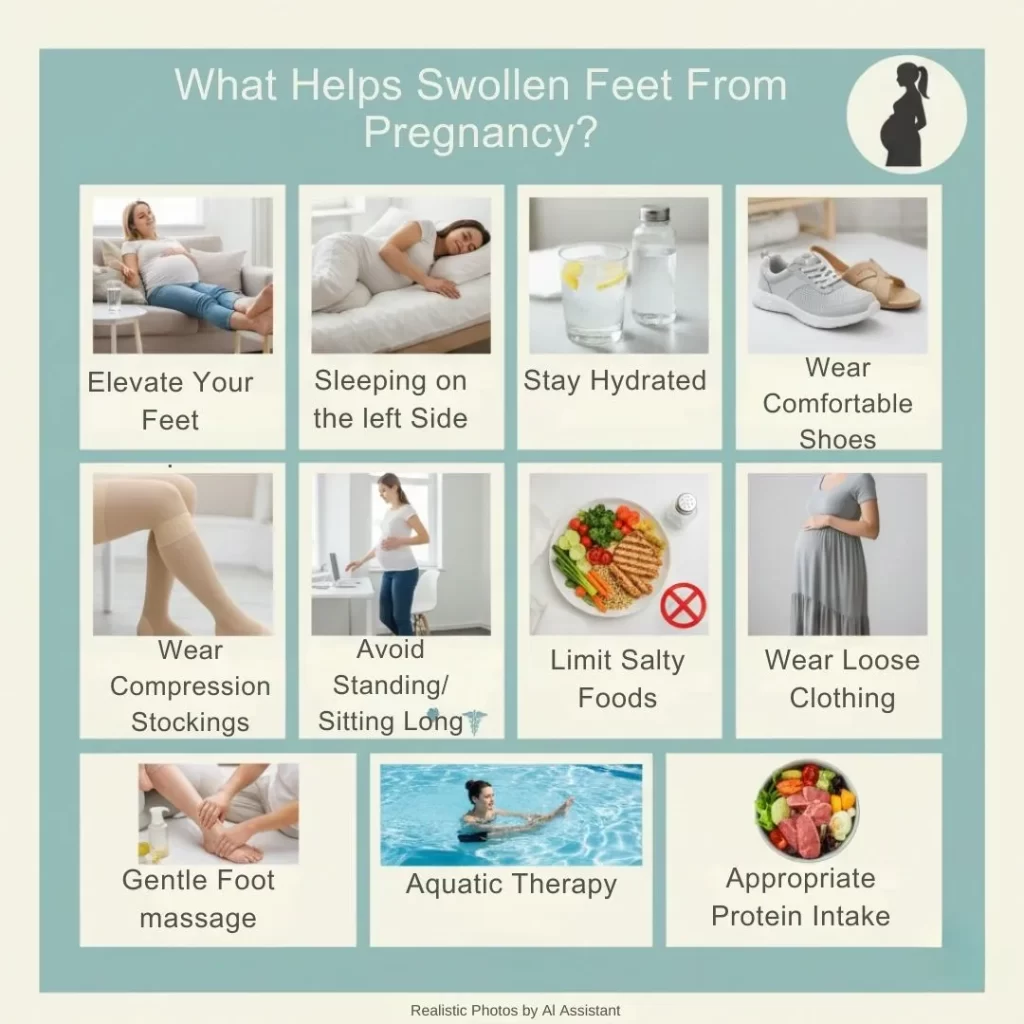
- Elevate your feet: Whenever you can, raise your feet above heart level. This helps improve blood return from your legs and reduces fluid buildup. Try lying down and propping your feet on pillows or a footstool.
Also, when at work in the office, keep your feet elevated on an ottoman, and when lounging, place two pillows under your calves and feet.
- Sleeping on the left side can also ease venous return from the legs
- Stay hydrated: Drinking more water might seem counterintuitive, but it actually helps flush excess salt and fluids from your body, reducing swelling. Aim to drink 8-10 glasses of water daily to help prevent fluid retention during pregnancy.
- Wear comfortable shoes: Choose shoes that provide good support and have plenty of room to accommodate any swelling.
Avoid tight straps or shoes with narrow toe boxes that can restrict circulation. Also, avoid socks with tight bands around the ankles, as these can restrict blood flow and contribute to swelling.
- Wear compression stockings: These apply gentle pressure to your legs and feet, helping blood flow back to your heart and preventing fluid from pooling. Make sure to wear compression stockings designed for pregnancy, and avoid tight bands or socks that cut off circulation.
- Avoid standing or sitting for long periods: Prolonged immobility can worsen swelling. Try to move around regularly, take short walks, or do simple foot exercises to activate your calf muscles. Movement helps manage both ankle swelling and leg swelling.
- Limit salty foods: Excess salt causes your body to retain more water, so cutting back can help reduce swelling.
- If you take supplements such as creatine, discuss them with your healthcare provider. Creatine can shift water into muscle cells, and your provider can help you decide whether continuing it is appropriate during pregnancy, especially if you are dealing with noticeable swelling.4
- Wear loose clothing: Tight clothing around your legs, ankles, or waist can restrict blood flow and worsen swelling.
- Practice gentle foot massage: Applying gentle pressure and massaging your feet and ankles can improve circulation and ease discomfort. Also try lymphatic massage, as it can help relieve swelling.
- Aquatic therapy: Doing gentle, supervised exercises in a pool to support the body while it changes and grows.
- Aim for appropriate protein intake for pregnancy, since very low protein levels can contribute to fluid shifts in the body. A balanced diet with enough protein, complex carbohydrates, and healthy fats supports circulation and overall fluid balance.
What Is The Fastest Way To Drastically Reduce Swelling In Feet?
To quickly reduce foot swelling, elevate your feet above your heart, apply a cold compress for 10-20 minutes every couple of hours, and wear compression socks.
Is It Okay To Put Your Feet In Hot Water While Pregnant?
Yes, you can soak your feet in warm (not hot) water during pregnancy for swelling relief, but avoid high temperatures to prevent overheating, which can harm the baby, especially in the first trimester.
- Use warm water, limit time (10-15 mins), and check with your doctor, ensuring your core temp stays below 101°F (38.3°C).
- Warm foot soaks with special salts can ease swelling and pain, but always prioritize safety by keeping water temperature moderate.
What Is The Best Breakfast For Edema?
There is no single magic breakfast for edema, but a smoothie made from spinach, banana, berries, and flaxseeds is a good example of a nutrient‑dense option that supports hydration, fiber intake, and anti‑inflammatory nutrients.
What Fruit Gets Rid Of Swollen Feet?
Focus on incorporating water-rich foods like watermelon and cucumbers, along with potassium-rich options such as bananas and sweet potatoes, to reduce swelling. Don’t forget the benefits of omega-3 fatty acids found in fish and the anti-inflammatory properties of spices like turmeric and ginger.
What Not To Eat If You Have Swollen Feet?
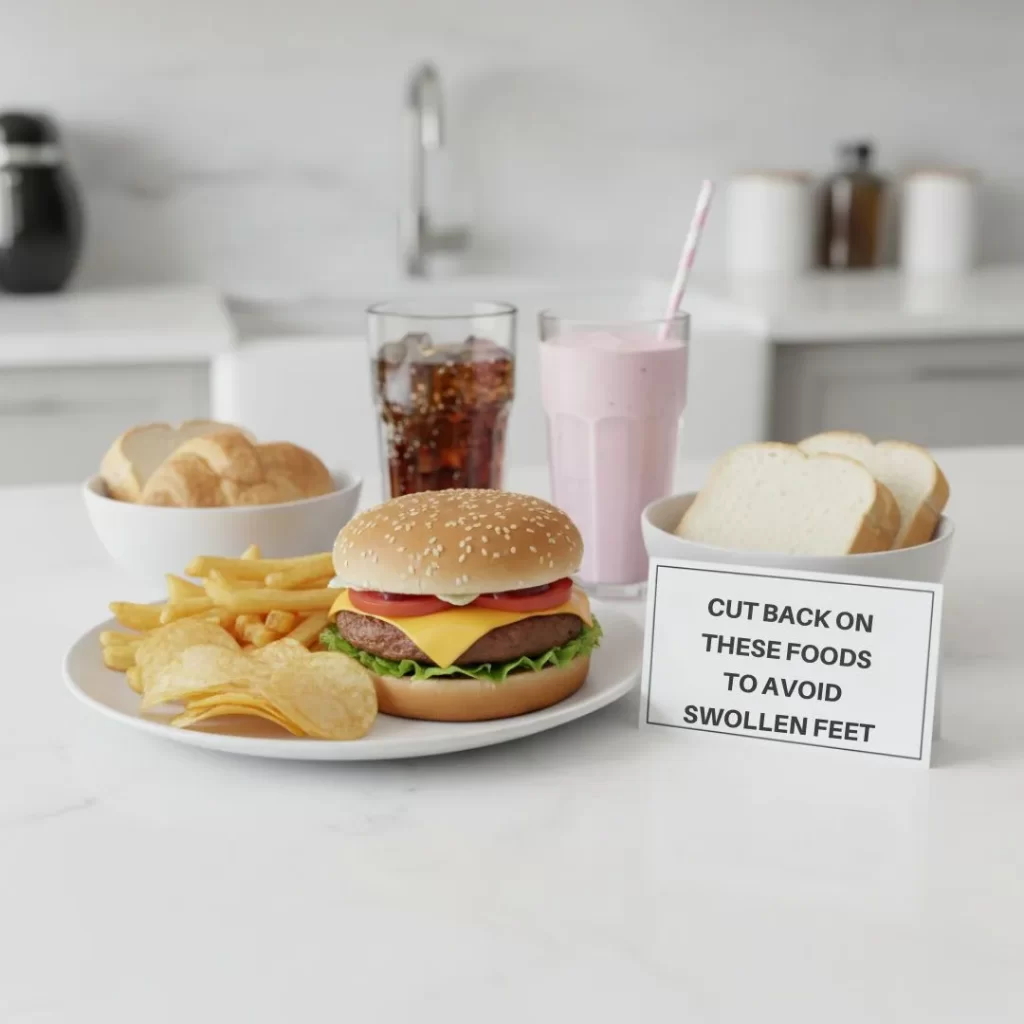
To avoid swollen feet, you should cut back on:
- High in sodium (salt), sugar, refined carbs,and unhealthy fats (trans/saturated), as they promote fluid retention and inflammation.
- Limit processed foods, fast food, salty snacks, sugary drinks, white bread, and fatty meats.
Focus on fresh fruits, veggies, and water to help reduce swelling. Always talk to your doctor before making major diet changes.
Can Preeclampsia Cause Swollen Feet During Pregnancy?
While swelling in the ankles, feet and fingers is usually normal, it can sometimes signal underlying conditions like pre-eclampsia or carpal tunnel syndrome. You should immediately contact your doctor, midwife or maternity hospital if you develop sudden swelling of your face, hands or feet.
Pre-eclampsia is a serious condition during pregnancy marked by elevated blood pressure and signs of damage to other organs, commonly the kidneys.5
One of the symptoms of pre-eclampsia can be:
- Sudden and severe swelling in the face, hands or feet.
- Swelling in the ankles is also common in pre-eclampsia and should be monitored closely.
Unlike the gradual swelling that is a normal part of pregnancy, swelling caused by pre-eclampsia tends to develop quickly and may be accompanied by other symptoms such as:
- Headaches.
- Changes in vision including flashing lights.
- Upper abdominal pain.
- Sudden weight gain due to fluid retention.
This condition requires urgent medical attention because it can lead to serious complications for both the mother and the baby, including:
- Risks of preterm birth
- Placental abruption
- In severe cases, life-threatening organ damage
If you notice these symptoms, seek urgent advice from your healthcare provider immediately.
Is Walking Good For Swollen Feet During Pregnancy?
Yes, Walking can help reduce swollen feet during pregnancy. It helps improve blood circulation and reduces fluid buildup in the lower extremities. Here are some key points about walking and swollen feet:
- Improves blood flow: Walking activates your calf muscles, which act as pumps to push blood back toward the heart, helping to reduce swelling in your ankles, feet, and legs.
- Reduces leg swelling: Regular walking is effective in reducing leg swelling, a common issue for pregnant people.
- Prevents fluid pooling: Movement prevents fluid from settling in your lower limbs, which is common when standing or sitting for long periods and can cause your feet to swell.
- Supports overall health: Regular walking promotes cardiovascular health, can help manage pregnancy weight gain, and supports healthy skin by improving circulation.
- Reduces discomfort: Gentle exercise like walking can ease the feeling of tight, heavy, or achy feet.
- Tips for walking with swollen feet:
- Wear comfortable, supportive shoes to avoid additional pressure.
- Avoid walking for excessively long periods without breaks.
- Take short walks throughout the day rather than one long walk.
- Elevate your feet after walking to further reduce swelling.
Always listen to your body. If walking causes pain or worsens swelling, consult your healthcare provider for personalized advice.
What Is The Best Exercise For Swollen Feet During Pregnancy?
The best exercises for swollen feet during pregnancy are low-impact activities like walking and swimming, combined with simple foot and ankle movements that can be done while sitting or lying down.
Low-Impact Cardio
Regular, gentle physical activity helps boost overall blood circulation and prevents fluid from pooling in your lower extremities.
Walking:
Taking regular, short walks throughout the day uses your calf muscles as a natural pump to move fluid upwards from your legs.
Swimming / Pool Exercises:
Standing or walking in a swimming pool is highly effective because the hydrostatic pressure of the water compresses leg tissues, similar to a natural compression stocking, providing significant relief from swelling and joint pain. 6
Stationary Cycling:
This is another safe, low-impact option that promotes blood flow without putting too much strain on your joints.
Simple Foot and Ankle Exercises
These exercises can be done easily at home or even at your desk. Aim for 10-15 repetitions, a couple of times a day.
Ankle Pumps:
- Sit or lie down with your legs extended.
- Gently point your toes away from you as far as possible.
- Flex your feet back up towards your shins.
- Repeat this motion several times to help move the fluid.
Foot Circles:
- Rotate your ankles in a circular motion, eight times in one direction.
- Repeat the rotation eight times in the opposite direction.
Calf Raises:
While standing (use a wall or chair for support if needed), lift onto the balls of your feet, then slowly lower your heels.
When Should I Be Concerned About Swollen Feet During Pregnancy?
While gradual swelling is common and usually harmless during pregnancy, certain signs indicate you should seek medical attention promptly:
- Sudden swelling in the face, hands, or feet (especially if it appears quickly, as this can be a warning sign of preeclampsia or blood clots)
- Swelling accompanied by headaches, vision changes, or upper abdominal pain
- Difficulty breathing or chest pain
- Swelling that occurs only on one leg, especially if it is painful, red, or warm
If you experience swelling along with any of these symptoms, contact your healthcare provider immediately, as they may be signs of serious conditions such as pre-eclampsia or blood clots.
- A sudden increase in swelling compared to previous days
- Pain, redness, or warmth in one leg (could indicate a blood clot or deep vein thrombosis)
If swollen feet are making pregnancy harder than it needs to be, you don’t have to guess what’s normal or what to try next. Text Avocado Health to get instant, expert-backed guidance right from your couch, anytime you need reassurance.
Conclusion
Swollen feet in pregnancy are common, uncomfortable, and usually temporary, and simple habits like movement, elevation, hydration, and supportive shoes can make a big difference. Always pay attention to sudden, painful, or one‑sided swelling and seek prompt medical care so you can stay safe while caring for your growing baby.
Frequency Asked Questions
Swollen legs during pregnancy indicate boy or girl?
There is a popular myth that swollen legs during pregnancy can predict the baby’s gender, suggesting that more swelling means you are having a boy, while less swelling means a girl.
However, this is not supported by medical evidence. Swelling in pregnancy, including in the legs, is caused by physiological changes such as increased blood volume, hormonal shifts, and pressure from the growing uterus not by the baby’s sex.
Does swollen foot mean labor is near?
While some people believe that swelling signals labor is near, it is not a reliable indicator. Labor signs typically include regular contractions, water breaking, and lower back pain rather than just swelling.
Is it normal to have one swollen feet during pregnancy?
No, it is not normal for one foot to be significantly more swollen than the other during pregnancy, especially if it is also red or painful. Uneven swelling can be a sign of a blood clot, known as a deep vein thrombosis (DVT), which requires immediate medical attention.
While it is normal for both feet to swell during pregnancy, uneven swelling is a warning sign.
Where does the fluid go when you elevate your legs?
When you elevate your legs, the excess fluid (from swelling or edema) drains from your lower extremities back into your circulatory system, moving up towards your heart, using gravity and one-way vein valves to help it return, reducing pooling and easing pressure in your legs and feet.
This helps your body reprocess the fluid, eventually leading to its removal through urination, improving circulation, and decreasing swelling.


