

You may worry if your baby’s smile stays gummy past the usual teething age. But late teething in babies is often normal, and the benefits of late teething may surprise you. In some cases, a delayed start can be linked to stronger, healthier teeth later on. Learn what’s normal, what’s not, and when to worry.
Table of Contents
What Is Considered Late Teething (Delayed Tooth Eruption)?
Delayed tooth eruption is when a child’s teeth emerge later than usual. While this can be a cause for concern for parents, it is often just a normal variation in child development. Premature infants often experience delayed teething compared to full-term infants.
The timing of a baby’s teeth is influenced by overall growth and development.
Tooth eruption timing can vary widely among children. Just like other developmental milestones, the emergence of baby teeth follows its own unique teething timeline for each child.
What Causes Late Teething in Babies?

LLate teething, also known as delayed eruption, is often a natural variation influenced by various factors: Ineffective medical interventions and certain medications can also delay teething.
Genetics
- Children may develop their teeth later due to their genetic makeup, often following family patterns of delayed or early tooth eruption.
- Research shows that the timing of baby teeth eruption is mostly determined by genetics, with over 80% influenced by family history. So if a close relative was a late teether, your child might follow the same pattern.1
- Birth order can also play a role, with firstborn children sometimes getting teeth earlier than their siblings.
Nutrition
- Poor nutrition, especially deficiencies in calcium, vitamin D, or other essential nutrients, can slow tooth eruption.
- Conditions like celiac disease can interfere with nutrient absorption, contributing to delayed dental development.
Medical Conditions
- Certain health issues, such as hypothyroidism, Down syndrome, rickets, and fibrosis (thick gums), can delay tooth eruption and overall development.
- Babies born prematurely or with low birth weight often experience delayed teething due to slower growth and development.2
Environmental Factors
- Exposure to environmental toxins, poor nutrition, or other external conditions can impact the timing of tooth eruption.
Medical Interventions
- The use of medications such as antibiotics or steroids may affect natural tooth eruption timing.
Remember, in most cases, delayed tooth eruption is just your baby’s unique timeline!
Benefits of Late Teething

The benefits of late teething often go overlooked, but delayed tooth eruption can actually support your child’s long-term dental health in these key ways:
Stronger Tooth Development
Later-erupting teeth often have more mature enamel, making them less prone to cavities. This extra time allows for complete mineralization of tooth structure, which is crucial for the development of strong permanent teeth.
Late teething may also reduce the risk of enamel defects, which can impact the health and appearance of teeth. Specifically, deficiencies in vitamin A, vitamin C, vitamin D, and calcium can impact when teeth come in.
Proper nutrition and timely dental interventions, such as space maintainers, play a significant role in supporting the eruption and alignment of permanent teeth, especially in children with developmental conditions.
Lower Risk of Early Decay
Children who experience late tooth eruption may be at a lower risk of early tooth decay. This is because their teeth are exposed to potentially harmful foods and drinks for a shorter period.
- Fewer months of exposed teeth vulnerable to sugars and bacteria
- Particularly helpful for babies who use bottles longer
Better Gum Health
Gums strengthen fully before teeth emerge, which can positively influence teething patterns. Reduced irritation compared to early teethers is another benefit, as better gum health can lead to more predictable and less painful teething patterns.
These benefits of late teething are most noticeable when paired with good oral hygiene habits.
Better Speech Development
Interestingly, late teething may be associated with improved speech development. The extended time before teeth erupt allows infants to grow and enhance their oral motor abilities, which are crucial for producing clear speech.
This means that children who experience delayed tooth eruption might have an advantage when it comes to developing their speech skills.
The extra time can help them better coordinate the movements of their tongue, lips, and jaw, leading to clearer and more articulate speech as they grow.
However, it is important to note that the timing of teething is not directly related to neurological maturation or intelligence, but rather to physical development.
Reduced Risk of Dental Issues
Another potential benefit of late teething is a reduced risk of dental issues. Children who experience delayed tooth eruption often have teeth that are stronger and more resilient, which can lower the risk of cavities and other dental problems later in life.
This means that those late-blooming teeth might actually be healthier and more durable, providing a solid foundation for your child’s dental health. health.
Developmental Milestones and Late Teething
Delayed tooth eruption can sometimes be linked to other developmental delays. Children who experience late teething may also show delays in milestones such as walking or talking.
However, it’s important to remember that delayed tooth eruption is not always a sign of a developmental delay.
If developmental delays are suspected, early intervention and further evaluation by healthcare professionals may be recommended. Consulting a pediatrician is essential for proper assessment and guidance related to late teething and its potential association with autism.
late teething sign of autism? Most Pediatricians Check Something Else First
Many parents are concerned about late teething and whether it is linked to autism. However, research shows that late teething does not cause autism, and autism does not cause late teething. Studies involving children with autism often look at how their teeth develop and focus on dental care, not on when the first tooth comes in.3
Some research shows that baby teeth hold chemical records. These records can tell about brain growth during pregnancy. The studies use teeth to help find autism risk. Teeth do not cause autism. Most babies get their first tooth between 4 and 15 months.
Some babies get teeth later but grow and learn well. This is normal for them. Parents should talk to a doctor if their child has no teeth by 18 months. Parents should also get help if the child has late teething and other problems. For example, not babbling, poor eye contact, or not answering to their name. Doctors look at all parts of a child’s growth, not just the teeth.
Is late teething a sign of intelligence?
Late teething is not a sign of higher or lower intelligence. The age when your baby’s first teeth come in sits in a wide normal range. Some babies get teeth early. Some get them late. Both groups can grow up to be very smart.
When a baby starts teething depends on genetics, how their body grows, and even things like stress during pregnancy. For example, a 2025 study found that babies whose mothers had higher stress hormones during pregnancy got their teeth earlier. The researchers said this showed faster physical aging, not higher intelligence. There is still no link between when teeth come in and a child’s IQ, school performance, or future learning.4
Children develop intelligence through everyday experiences. Talking, playing, reading together, and good nutrition all help your child’s brain grow. These things are much more important than when the first tooth appears. Every child is different, and teeth come in when their body is ready, not because their brain is more advanced.
when do babies get their first tooth?
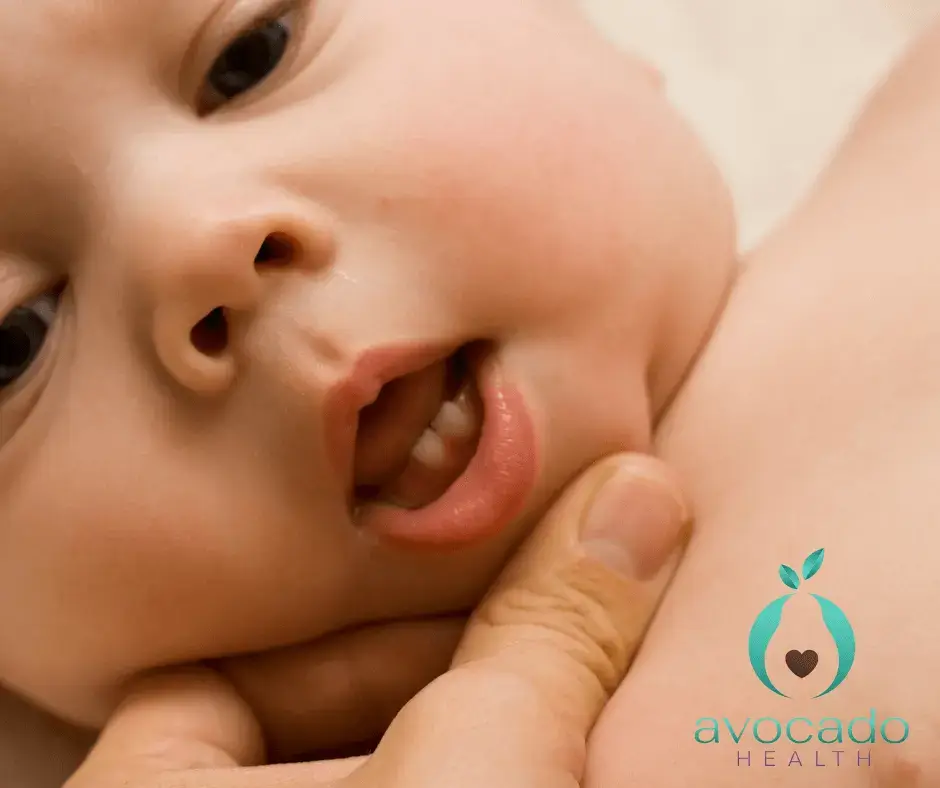
Babies typically get their first tooth around 6 to 12 months of age, though the timeline varies widely. Some infants cut their first tooth as early as 4 months, while others may not see a tooth break through until after their first birthday.
teeth timeline: what order do baby teeth come in?

Teething charts give average ages, but research shows significant normal variation in the timeline of first teeth. Studies following hundreds of children found that many babies get their first tooth between 6 and 8 months, but some get one before 6 months and others after 12 months, and all can still develop normally.
How many teeth should a 1-year-old have?
Research suggests there is no single correct number. Some one-year-olds have just a few front teeth, some have 6 to 8, and some may have none, especially if genetics or early factors like low birth weight or growth patterns delay teething a bit.
Scientists say the teething timeline is more closely linked to factors such as birth size, early weight gain, and pregnancy factors than to health or intelligence. So, a different milk teeth timeline usually just reflects a child’s unique biology and is not a cause for concern.
Symptoms of teething in babies
Teething affects babies differently, but these are frequent signs parents notice:
- Tender gums that look red or swollen.
- More fussiness and irritability than usual.
- Extra drooling that might cause chin redness.
- Strong need to chew on toys or fingers.
- Frequent cheek or eye rubbing, or ear pulling.
- Slightly warmer than normal temperature. (under 100.4°F)
- Sleep regression with more night wakings.
- Changes in eating – some want to nurse more, others less. Some babies may experience difficulty chewing solid foods due to sore gums or lack of teeth, leading them to prefer softer textures or reject certain foods.
- Constant hand-to-mouth movements.
These signs usually start 3-5 days before a tooth appears and get better once it comes through. Some babies show many signs, others just one or two.
Good to remember:
- Discomfort comes and goes as each new tooth develops
- Sleep troubles are temporary and improve after teething
- Teething alone doesn’t cause high fever (over 100.4°F)
Symptoms That Are Mistakenly Attributed to Teething

Many parents associate these symptoms with teething, but research shows they typically indicate other conditions:
- High fever (temperature above 100.4°F)
- Diarrhea or significantly loose stools
- Severe diaper rash
- Persistent runny nose
- Non-stop crying lasting hours
- Increased frequency of colds or infections
What’s actually happening:
While teething might cause mild discomfort, these more severe symptoms usually suggest:
• Viral or bacterial infections
• Food sensitivities
• Other childhood illnesses
What to Avoid When Baby Is Teething?
As your baby’s teeth come in, steer clear of these common hazards to keep them safe:
- Hard foods like raw carrots or nuts that could cause choking
- Frozen teethers or ice cubes that may damage tender gums
- Teething necklaces or jewelry due to strangulation risk
- Small objects that could be swallowed accidentally
- Liquid-filled teething rings that might leak if punctured
- Leaving baby unsupervised while chewing on toys
How to Support Healthy Teething

Teething is a natural but often uncomfortable milestone in your baby’s development. Monitoring your child’s mouth and paying attention to your child’s diet during teething are important for healthy development. Offering soft textures can help children manage their food intake during teething.
Nutrition-Rich Diet
Monitoring your child’s diet is important for both dental and overall health, as malnutrition can contribute to delayed tooth eruption. Focus on these key elements:
Essential Nutrients
- Calcium-Rich Foods: Yogurt, cheese, fortified cereals (for older babies)
- Vitamin D Sources: Egg yolks, fatty fish (helps calcium absorption)
- Cooling Foods: Chilled applesauce, mashed banana (soothes gums)
- Anti-Inflammatory Options: Avocado, sweet potato (may reduce gum swelling)
Feeding Tips
- For breastfed babies: Continue nursing, breastmilk contains natural pain-relieving compounds
- For solids: Offer soft, cold foods like yogurt or purees, and gradually introduce age-appropriate solid foods to support dental development and encourage texture exploration
- Avoid sugary foods that can irritate sensitive gums
Hydration
- Increase fluids to replace drool loss
- Offer cool water in a sippy cup (for babies 6+ months)
A balanced diet supports both emerging teeth and overall development during this milestone.
Teething Toys
Offer soothing teething toys. When selecting teething toys, prioritize safety and effectiveness:
- Choose BPA-free, non-toxic options made from soft silicone or natural rubber that are easy for little hands to grip.
- Opt for chilled (not frozen) teethers for the best relief; try refrigerating a textured toy or wet washcloth for 15-20 minutes before use.
Gentle Gum Massages
Using a clean finger, gently rub your baby’s gums in circular motions for 1-2 minutes. The pressure helps counteract teething pain while improving circulation.
- Wash hands thoroughly first.
- Consider dipping your finger in cool water for added relief.
- Apply light pressure and let your baby’s reactions guide you.
- This technique can be done anytime and requires no special tools.
- Many babies find this comforting, especially when combined with quiet cuddles.
- Often provides immediate soothing.
Managing Drool
Excessive drooling during teething can irritate skin and increase fussiness. Use absorbent cotton bibs to keep baby’s chin dry and prevent rash.
Calming Cuddles
Extra hugs, gentle rocking, and contact naps provide natural teething relief. The warmth and rhythm of being held close helps release calming hormones while your heartbeat and body heat soothe gum discomfort. The closeness helps calm both baby and parent during this tough phase.

Still wondering if your baby’s late teething is something to worry about?
Avocado Health is always available. No app. No waitlist.
- Help knowing when to wait, when to worry, and when to see a doctor
- Evidence-based answers from a team of pediatric and parenting experts
- Remembers your child’s name, age, and history. Personalized guidance, not generic tips
- Not Google. Not Reddit. Real pediatric expertise, personalized to your child.
when to worry about baby teeth not coming in?

If your baby is between 12 and 18 months old and still has no teeth, it’s a good idea to see a pediatric dentist. 18 months is the standard threshold for “delayed teething” that warrants professional evaluation.
Conclusion
While the anticipation of a baby’s first tooth can be exciting, you shouldn’t fret if your little one is a late bloomer in the teething department. Late teething isn’t just normal; it is a hidden advantage for a lifetime of healthier smiles!
Frequently Asked Questions
Can late teething delay speech?
Teeth, especially the front incisors, are important for clear speech and pronunciation. When teeth come in late, it might cause a delay in mastering certain sounds and speech patterns.
Can a pacifier delay teething?
Pacifier use does not cause late teething or delayed eruption of baby teeth. Teething timelines are primarily influenced by genetics, nutrition, and overall growth, rather than pacifiers.
What pacifiers can affect babies:
Tooth alignment & bite: prolonged use, especially past age 2, can create gaps or misalignment.
Mouth development: prolonged use may lead to changes such as an open bite or crossbite.
Does breastfeeding delay teething?
Breastfeeding is often linked to earlier tooth emergence.
This is because:
Breast milk provides essential nutrients and antibodies that support overall growth and the healthy formation of tooth enamel.
Breastfeeding helps develop the muscles in the mouth, which can influence when and how teeth come in.
Breastfed babies also tend to have a balanced diet rich in vitamins and minerals, promoting strong and healthy teeth.
While breastfeeding may encourage earlier teething for some infants, it’s important to remember that every child’s dental journey is unique, and variations in teething timelines are perfectly normal.
Sources:
- Genome-wide association study of primary tooth eruption identifies pleiotropic loci associated with height and craniofacial distances
- Preterm Birth: A Primary Etiological Factor for Delayed Oral Growth and Development
- Developmental Disturbances of Teeth in Children with Autism Spectrum Disorder and Attention-deficit Hyperactivity Disorder
- Teeth of babies of stressed mothers come out earlier, suggests study


