
How to Help My Teenager Make Friends: It’s heartbreaking to see your teen sitting alone at lunch or endlessly scrolling while others hang out together. Many teens feel worried about social situations or acceptance, and they might confess feeling invisible, or you might notice their quiet withdrawal. The hopeful truth? Making friends is a learnable skill. Let’s explore real ways to help them build connections because every teenager deserves to belong.
What’s The Difference Between An Acquaintance And A Friend?
Let’s start here because when your teen understands this difference, it takes the pressure off. They learn that not every smile in the hallway needs to turn into a deep friendship, and they can better spot the connections worth nurturing.
An acquaintance is someone you know on a surface level, a friend is someone you share a deeper, more meaningful and mutual connection. A good friend, in particular, is trustworthy, supportive, and shares common interests, making the relationship especially valuable.
What are the psychological facts about friendship?
Behavioral scientists and psychologists define a close friendship as a lasting bond built on mutual sacrifice and shared experiences. A true friend values your happiness, respects your principles without demanding you compromise them, and is deeply missed when absent.
Positive relationships during adolescence contribute significantly to emotional well-being and personal growth, helping young people develop resilience and supportive social networks.
Why Is It Hard For Teens To Make Friends?
Friendship isn’t always easy for teens. Most teenagers experience challenges with making friends, feeling lonely, or struggling with social interactions at some point. Between shifting social circles, self-doubt, and endless screens, your child may feel stuck.
As their world shifts (body, emotions, and identity), social interactions can suddenly feel scary, and they might pull back instead of step forward.
Making friends in elementary school is often simpler and more direct, but the teenage years bring new complexities that require different support from parents. Here’s what often stands in the way:
Social anxiety & fear of rejection
Many teens worry they’ll be judged or criticized, so they shy away before even trying. That fear can become a barrier to making real connections.
Shyness or introversion
Quiet teens aren’t broken; they need a different starting point. Launching a conversation feels harder when you’d rather listen.
26% of teens report experiencing “extreme nervousness” in new social situations, highlighting how common social anxiety is among young people.[3]
Wounded trust from past hurts
Old rejections, bullying, or losing a friend group can cast long shadows. It takes courage to risk being hurt again, and many teens aren’t sure where to start healing or trusting anew.
All the change is overwhelming
Friendships shift, interests shift, and teens shift… It’s a lot. And suddenly, yesterday’s friend circles may feel out of sync. During times of change, teens may also feel out of sync with other teenagers, making it harder to connect and build new friendships.
30% of teens change friend groups yearly due to school transitions (Journal of Youth and Adolescence).[1]
Screens over real-life connection
Social media might offer connection, but it also brings loneliness, FOMO, and complexity. Your teen may feel more isolated than ever, even when online.
Meeting people in person can be more challenging for teens today, as online interaction often lacks the social dynamics and rapport-building that come with face-to-face introductions.
Teens who spend >3 hrs/day on social media have 35% fewer close friendships (Twenge et al., 2018). [2]
Social skills aren’t taught; they’re learned
If conversation starters and social cues don’t come naturally, teens can feel lost managing friendships.
Teens also need to learn how to deal with various social situations, such as negotiating, handling misunderstandings, or communicating effectively with peers and adults.
Teens misread peers’ facial expressions 30% more often than adults, which can make interpreting social signals and responding appropriately a real challenge for them.[4]
When mental health clouds connection
Anxiety and depression don’t just dampen mood; they dampen social desire too. When every interaction feels overwhelming, isolation becomes the default.
How can I tell if my teen is struggling to make friends?
A teen struggling to make friends might show signs like avoiding social situations or complain about being picked on. Here’s a more detailed look:
Being Alone
- Avoiding social situations: They’ll turn down invitations to hang out with friends, participate in extracurricular activities or go to parties.
- Reluctance to engage in social activities: Struggling teens may be hesitant or unwilling to engage in conversations or group events, making it harder for them to build friendships.
- Want to be alone: Some teens like alone time, but too much isolation could mean they’re struggling to connect with others.
Trouble with Social
- Shyness and Introversion: Some teens are introverted, but if they want to make friends they’ll need to work on being more social.
- Trouble starting conversations: They’ll struggle to start conversations, maintain them or feel awkward in social situations.
- Trouble with social cues: They might not pick up on social cues or understand social dynamics like their peers.
- Overwhelmed at gatherings: Large social gatherings might feel overwhelming and they’ll retreat or withdraw.
Low Self Esteem and Anxiety
- Low confidence and self esteem: Teens with low self esteem will feel like they’re not good enough to be friends with others.
- Fear of rejection: Social anxiety can lead to fear of being rejected or judged by others and they’ll avoid social situations.
- Easily embarrassed: They’ll worry excessively about making mistakes or saying the wrong thing and get embarrassed and avoid.
- Changing themselves: They might change themselves to fit in with a certain group or act differently at school than at home.
Other
- Bored: If they say they’re bored a lot it might mean they’re not finding social fulfillment.
- Changes in eating: Some teens might eat less or more than usual when they’re lonely or isolated.
- Changes in sleep: Sleep disturbances (insomnia or excessive sleep) can be related to social struggles.
- Can’t make friends outside of school: If they can’t make friends in and out of school it’s a bigger issue.
If you see several of these you should talk to them about their social life and offer support.
What Happens When A Teen Has No Friends?
It’s important to remember that every teenager’s social experience is different. Sometimes, not having close friends is just part of growing up.
Nowadays, real friendships can be hard to find. Many teens have lots of casual acquaintances but only a few true friends.
As a parent, encourage your teen to be themselves. True friendships grow naturally when they stay authentic. They shouldn’t feel like they have to change to fit in.
Spending time alone can have its upsides too. It gives your teen personal space and freedom without worrying about others’ moods or plans changing last minute. Learning to be comfortable alone is a valuable skill they can be their own best friend.
That said, having no friends during the teen years can take a toll on their emotional and mental health. Here’s what can happen:
Mental Health:
- Higher risk of depression and anxiety due to loneliness and social isolation.
- Lower self-esteem without positive peer interactions and validation.
- Trouble with emotional regulation, as friendships provide a safe space to express feelings and learn coping skills.
- Family support becomes especially important when teens lack friends, as strong family connections can help buffer feelings of loneliness and provide emotional stability.
Social Development:
- Delayed interpersonal skills, since friendships are key to practicing communication, empathy, and conflict resolution.
- Difficulty handling social situations and forming relationships.
- Feeling left out, isolated, and disconnected from peers.
- Family involvement, such as modeling positive social behavior and engaging in social activities together, can help teens develop social skills and foster a sense of belonging.
School Life:
- Less engagement and enjoyment at school, which can impact academic performance.
- Increased vulnerability to bullying and negative peer interactions.
Brain Impact:
Research indicates loneliness can affect brain regions involved in decision making and social behavior, such as the prefrontal cortex, highlighting the importance of social connection for well-being.[5]
Why Are Friendships Important for Adolescents?
Friendships during the teen years aren’t just social perks; they shape who your child becomes. Connecting with other teens helps adolescents develop social skills and confidence. From emotional resilience to identity development, strong peer relationships are key.
Emotional Support
Teen life can be a rollercoaster. Friendships reduce stress hormones by 40% in adolescents, giving teens someone to talk to, laugh with, and lean on. Supportive friendships boost mental health and protect against loneliness and bullying.[6]
Social Skills That Stick
Good friends teach teens how to listen, communicate clearly, and handle conflict. Friendships also help teens learn the importance of resolving conflict in a healthy way, which is essential for navigating misunderstandings and building stronger peer relationships. These everyday interactions build social confidence, skills they’ll use at school, work, and in future relationships.
Figuring Out Who They Are
Teens try on different versions of themselves. Friends help with that. Whether they share values, interests, or simply experiences, these relationships give teens space to explore their identity.
Better School Engagement
When teens feel connected to others, they’re more likely to stay motivated in school. Schools provide opportunities for teens to build friendships through activities, clubs, and group work, helping them adjust to new social environments. Encouragement from peers can help them to develop healthy study habits and academic goals.
Protection From Bad Choices
Teens with positive friendships are more likely to resist peer pressure and make safer, more intelligent decisions. The right friends build each other up.
It’s not just about having friends, it’s about the kinds of friendships teens form, and how each one influences them differently.
+ Types of Peer Relationships
Each type of connection plays a role in shaping your teen’s world:
- Close Friends drive trust, loyalty, and emotional support to each other.
- Peer Groups is a broader network that offers social belonging.
- Supportive Peers who encourage and respect each other.
- Competitive Peers can drive growth or spark comparison, depending on the dynamic.
As a parent, understanding your role helps you support your teen as they build the connections that shape their life.
How to Help My Teenager Make Friends: 9 Expert Tips

If your teenager has no friends, it can feel overwhelming. Whether your teen is struggling to connect or just hasn’t made friends yet, here are some practical steps you can take to help:
Identify the problem
Understanding why your teenager can’t make friends is the first step. Challenges might be low self-esteem, or past negative peer experiences.
Identify if the issues are internal (shyness) or external (bullying) so you can tailor the support your teen needs.
Set Friendship Goals
Help your teen set clear friendship goals. When teens know what they want from their friendships (trust, support, shared interests), they are better equipped to build meaningful connections.
One important goal could be to show genuine interest in others during conversations, as being interested helps teens demonstrate care and build stronger relationships.
Encourage Social Interaction to meet new people
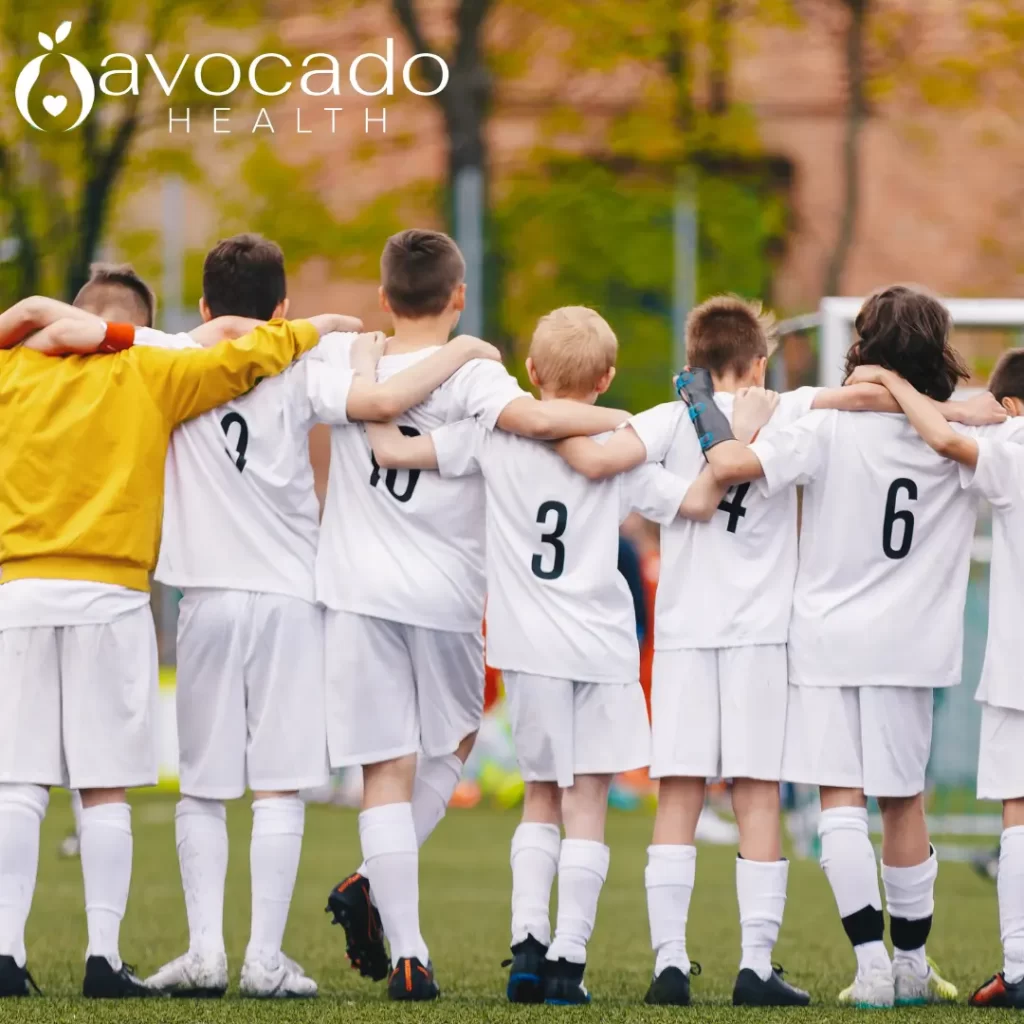
- Encourage your teen to consider joining a club or extracurricular activity as a way to meet people and develop social skills. In-person friendships can give a sense of community and belonging that online relationships can’t.
- Help your teen by suggesting joining activities, groups, or organizations that align with their interests to build friendships with like-minded peers.
- Finding common interests with peers can make socializing easier and help your teen feel more comfortable when meeting new people.
- Support your teen in participating in sports or joining a sports team, as these activities can help them meet people and develop lasting friendships.
Volunteering
Encourage your teenager to volunteer to meet new people and give back to the community. Volunteering helps teens find a sense of purpose and belonging, especially if they feel lonely or disconnected.
It also expands their social circles beyond their usual environments and allows them to engage with others in meaningful ways.
For shy or introverted teens, volunteering provides a structured, low-pressure environment to interact with others and start conversations naturally.
You can support your teen by helping them find suitable opportunities, attending events together, or encouraging friends to join, making the experience more enjoyable and less intimidating.
Building Confidence and Friendship Skills
- Role-play social scenarios with your teen to boost their confidence and friendship skills.
- Encourage your teen to take leadership roles or join group activities to practice social interactions.
- Suggest practicing talking with peers to build confidence in communicating and resolving conflicts.
- Support your teen’s self-esteem by offering consistent encouragement and positive reinforcement.
- Remind them that making friends takes time and effort, and celebrate their progress along the way.
- Praise their efforts openly and let them know you believe in their ability to build meaningful friendships.
Talk about change and transitions
Help your teen understand that friendships and interests change over time. People grow, and sometimes friends drift apart or explore new activities.
Encourage your teen to see change as a natural part of life rather than a loss.
Remind them that making new friends and adapting to social shifts takes time and effort but leads to meaningful connections and personal growth.
Part-Time job
Encourage your teen to get a part-time job where they can meet other kids their age. Teenagers work in part-time jobs at places like stores, restaurants, or activity centers, which helps them develop friendships and build social skills in a relaxed environment. Working alongside peers provides natural opportunities to find friends and improve their social abilities.
Get to Know Other Parents of Teenagers
Getting to know other parents can be a powerful way to support your teen’s social life. Building family connections not only helps create a supportive environment for your teen’s social development, but also models positive relationships and involvement. When you know the parents of your teenager’s friends or classmates, it opens up opportunities for your teen to participate in social activities, gatherings, and playdates in a safe and welcoming environment.
Support Introverted Teens in Social Situations
Introverted teens may need extra support to feel comfortable in social situations. Help your teen build confidence by encouraging small steps and practicing social skills together. You can also offer ideas for low-pressure social activities, such as inviting one friend over or joining a club based on their interests.
Respect their need for quiet time to recharge and remind them that being introverted doesn’t mean they can’t form meaningful friendships. Your patience and understanding create a safe space for them to grow socially.
Common Issues in Adolescent Peer Relationships
Here are some issues in peer relationships to keep an eye out for:
1- Peer Pressure: Adolescents are often pressured to conform to their peers’ behaviours, including risky activities like substance use. This can create tension when these behaviours conflict with their values.
2- Toxic Friendships: Unhealthy friendships involve manipulation, criticism, control, or exclusion. Signs include constant belittling, lack of support, gossip, and attempts to isolate. These dynamics can damage self-esteem and cause emotional distress.
3- Bullying and Victimization: Being bullied affects well-being and peer relationships.
How to help your teen with friendship issues?

Friendships change as your teen grows and their interests shift. Conflicts are part of the process but with the right guidance your teen can learn to navigate them. Here’s how you can help:
- Encourage your teen to take a moment before reacting, let emotions settle.
- Help them see others perspectives to foster empathy.
- Practice active listening together so they can really get different viewpoints.
- Remind them how important apologies and forgiveness are in resolving conflicts.
- Guide them in negotiating and finding practical solutions.
- Teach them to express feelings without blame; for example “I feel upset when I’m left out because I feel unwanted” instead of pointing fingers.
- Help your teen know when to step away from toxic or harmful friendships.
By guiding your teen through these challenges you help them build strong positive friendships that will support them for life.
Overwhelmed by Your Teen’s Friendship Issues? Avocado Health Is Here to Help
Watching your teenager struggle to make friends can be tough. You want to help them but don’t know how or where to start.
Avocado Health offers convenient, ongoing expert text-based parent coaching right to your phone without adding more stress to your busy life.
Let Avocado Health help you be the steady support your teen needs during this crazy time.
Conclusion
Knowing how to help your teenager make friends means being patient and supportive as they figure it out. Encourage them to get involved in activities and youth groups to meet peers with similar interests. Practice social skills like role play to build confidence. Your steady support helps them build healthy friendships that build emotional resilience and a true sense of belonging.
Frequently Asked Questions
What’s the hardest age to make friends?
The teenage years, especially between 14 and 16, are the toughest time to make and keep companions. This is a time of enormous social and emotional change – puberty, changing peer groups, and the need for independence.
Is my teen’s resistance to making friends a behavioral change
Yes, a teenager’s reluctance to make connections is a noticeable change in their behavior. Adolescence is a time of enormous social and emotional development, so changes in how teens interact with others are regular. When a teen resists forming friendships, it’s often a change from their usual social habits.
What should I do if my teen is being excluded by their peers?
When a teen is being excluded, it’s essential to be there for them and listen. Let them talk without judgment and reassure them that feeling left out is something most kids experience at some point; it doesn’t define their worth.
Encourage your teen to try new things or join different social groups. Finding spaces where they feel welcome and valued.
Is it normal for teens to have more online than in-person friends?
Yes, it’s becoming more normal for teens to have more online than in-person friends. Technology allows teens to connect with others who share their interests and often leads to meaningful online friendships.
This happens because online spaces are more accessible, comfortable, and frequent interaction makes it easier to build and maintain connections.
How involved should I be in my teen’s social life?
As they get older, your role changes too. At 13, you need to stay involved by setting curfews and knowing who their companions are.
By 14, you can give them more responsibility while still guiding. When they turn 16, step back a bit, support them, but trust them to communicate plans and manage their social and school life themselves.