
How to teach responsibility to a teenager is a common concern for parents who want their adolescents to grow into independent, trustworthy adults. Not everyone naturally learns to take responsibility, but there are many ways to help teens develop this important skill. It begins with setting clear expectations, offering consistent guidance, and giving real-life chances to practice making decisions.
🔹 Responsibility is a skill that can be taught.
🔹 Micromanagement often makes teens irresponsible by limiting their independence.
Table of Contents
What is responsibility for teenagers
Responsibility for teenagers means more than just completing tasks—it’s about growing into a reliable and accountable person who can handle the ups and downs of life. Taking responsibility means owning their actions, commitments, and promises, helping prepare them for the many responsibilities they’ll face as adults.
Key Aspects of Responsibility for Teenagers:
Personal Responsibility:
- Self-Care: Taking care of personal hygiene, staying healthy through good nutrition and exercise, and looking after their belongings with a sense of pride. Even a child can start learning responsibility by taking care of their own needs.
- Academic Accountability: Keeping up with homework, preparing for exams, and managing time wisely to avoid last-minute stress.
- Decision-Making: Learning to make thoughtful choices and understanding how their actions can impact themselves and others around them. Making mistakes is a natural part of learning responsibility, and it’s important for kids to recognize errors and avoid making the same mistake repeatedly.
Interpersonal Responsibility:
- Relationships: Nurturing and maintaining healthy connections with family and friends, including managing emotions and resolving conflicts in a positive way.
- Household Contributions: Taking part in chores around the house, following rules and expectations, and helping create a happy, harmonious home environment. Assisting a family member or contributing to the well-being of families teaches responsibility and helps young people become accountable members of their family unit.
- Keeping Promises: Being dependable and following through on commitments made to others.
Social Responsibility:
- Community Involvement: Participating in volunteer work or lending a hand to others in the community. Choosing to act responsibly in the community is an important part of social responsibility.
- Consideration for Property: Showing care for public spaces and honoring the rights of others by valuing shared environments and community resources, remembering that both words and actions matter when showing respect for others’ property.
Why is it important for teens to be responsible?

Responsibility benefits teenagers by boosting their self-esteem, independence, and essential life skills. It helps them own their actions, improves relationships, and gives them a real sense of accomplishment. Here’s a closer look at these benefits:
1. Enhanced Self-Esteem and Confidence:
Completing tasks and reaching goals, even small ones, helps teens build confidence and a positive self-image.
2. Improved Time Management and Decision-Making:

Taking on responsibilities like managing homework and extracurriculars teaches teens to prioritize tasks and understand the consequences of their choices, leading to better decisions. Learning to decide for themselves is a key part of developing responsibility.
For example, missing a school assignment deadline can affect their grade, encouraging better time management next time.
3. Increased Independence and Ownership:
Handling tasks and challenges helps teens develop autonomy and take ownership of their actions, preparing them for adult life. Taking on more responsibility is a clear sign of growing independence and shows that teens are ready for greater autonomy.
For example, managing a school project timeline without reminders builds their confidence in handling responsibilities independently.
4. Strengthened Relationships Through Communication:
Sharing responsibilities fosters open communication and mutual respect, strengthening bonds with family and peers.
Helping with household chores shows care for the family, building trust and understanding. Taking time to talk and engage in open talking with teens strengthens relationships and supports responsibility.
5. Development of Essential Life Skills:
Responsibility nurtures problem-solving, goal-setting, and self-awareness—skills vital for adulthood.
For instance, planning a study schedule teaches organization and commitment. Sharing ideas for managing responsibilities can help teens develop important life skills.
6. Sense of Accomplishment and Motivation:
Meeting responsibilities provides a real sense of achievement that motivates teens to tackle new challenges. Recognizing consistent effort and progress over a week can help reinforce responsible habits.
9 Real-World Strategies on How to Teach Responsibility to a Teenager
1. Start Early and Increase Responsibilities Gradually:
Begin with simple, age-appropriate chores and gradually expand their duties as they grow, including managing schedules, preparing meals, and caring for their belongings.
Write out detailed schedules focusing on clear, manageable tasks that help teens develop responsibility naturally, and remember to include some fun household duties that can make the process enjoyable and engaging for them.
When introducing new responsibilities, it is important to set expectations clearly so teens understand the rules, consequences, and what is required of them.
Assign meaningful tasks that contribute to family and community to foster pride and responsibility.
Review tasks together with your teen beforehand, make any necessary adjustments, and involve them in understanding their responsibilities. Allow them to identify any missing tasks or logistical issues that might arise.
2. Set Clear Expectations and Consequences:
Communicate responsibilities clearly and explain natural consequences for failing to meet them. Emphasize that understanding the consequence of each action is essential for teens to learn accountability and recognize the impact of their choices.
Apply consequences consistently and calmly, using them as teachable moments to discuss mistakes and improvements.
3. Model Responsibility:
Demonstrate responsible behavior in daily life—manage your time well, keep promises, and handle mistakes constructively. As a parent, your actions set the standard for responsible behavior and provide a model for your teen to follow.
Treat others with empathy and respect to set a positive example.
4. Develop Daily Habits:
Encourage routines like helping with grocery shopping or cooking dinner to build steady habits, including caring for their clothes as part of daily routines.
5. Teach Time Management Skills:
Help teens use calendars or planners to organize tasks, set realistic goals, and break down big projects into manageable steps to avoid overwhelm. If time is not managed effectively, missed deadlines and increased stress can happen.
6. Use Positive Reinforcement:
Motivate your teen with genuine praise, meaningful rewards, or increased freedom to reinforce positive behavior and encourage responsible behaviors.
Recognize efforts as well as achievements to build self-esteem and a growth mindset.
7. Provide Real-World Opportunities:
Encourage teens to apply skills through part-time jobs, volunteer work, or caring for family members. A part-time job or taking on a challenging chore can teach responsibility, and learning to fail and recover is an important part of the process.
These experiences, including facing challenges and stress, teach responsibility and help teens understand the impact of their decisions.
8. Teach Financial Responsibility:
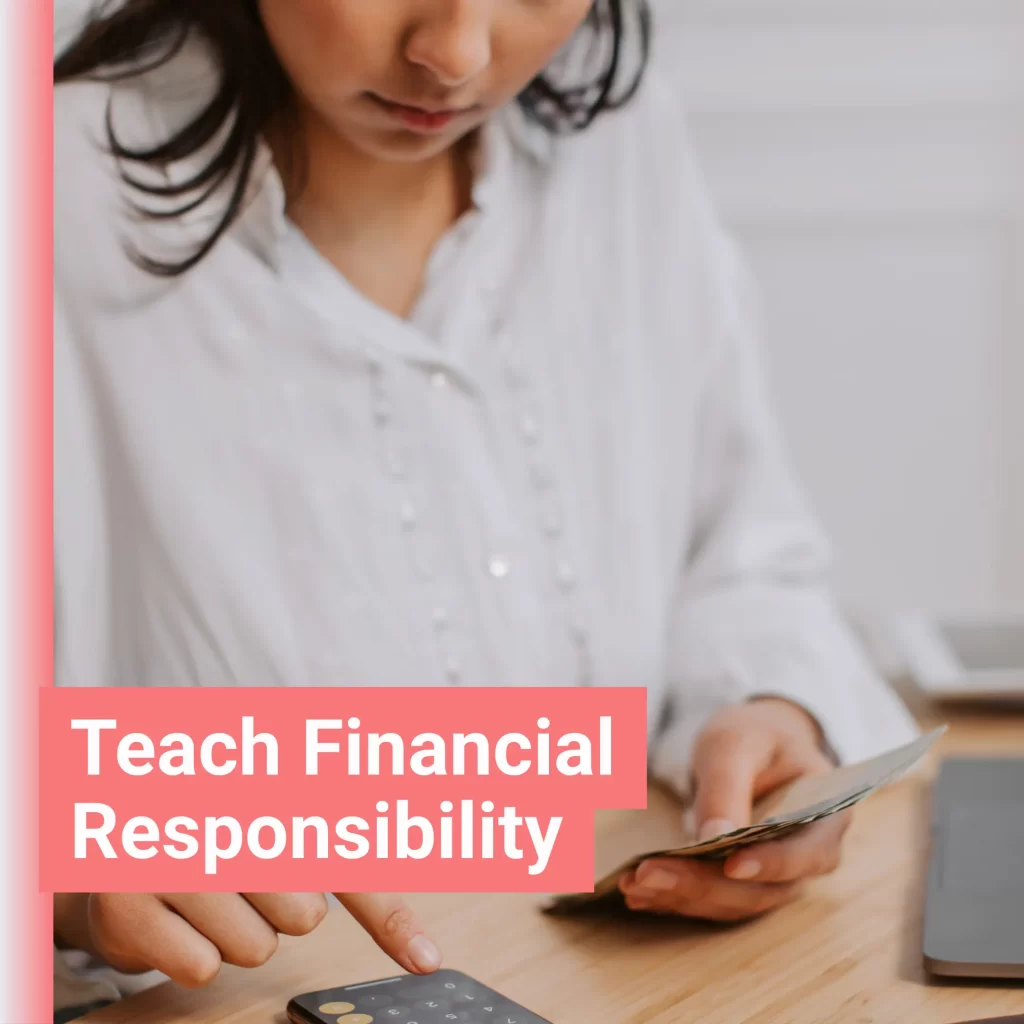
Help teens budget allowances, save for goals, and understand wise money management to prepare them for financial independence.
9. Monitor Progress and Offer Support:
Regularly check in on your teen’s responsibilities and goals.
Have open conversations to keep them engaged and aware, and provide additional support when needed. During these conversations, make sure to listen to your teen’s concerns and show understanding without judgment.
Raise a Responsible Teen Without All the Nagging—Here’s How Avocado Health Helps
Avocado Health makes teaching teens responsibility easy with instant, expert-backed text coaching. Get personalized, evidence-based guidance to set clear expectations, build habits, and support accountability—right when you need it, all from your phone.
Conclusion
Teaching responsibility to a teenager is an ongoing journey that requires your patience, maintaining consistency, and engaging in honest conversations. When you apply practical strategies and provide steady support and encouragement, you empower your teen to take ownership of their actions, make thoughtful decisions, and discover a meaningful direction in life.
Frequently asked Questions
What are the responsibilities of a teenager?
Keep their room tidy and organized.
Help out with household tasks.
Work towards doing well in school.
Find and maintain a part-time or seasonal job.
Avoid drugs and alcohol.
Protect their personal and online privacy.
Think carefully about their actions before making decisions.
What is the main difference between responsibility and accountability?
Accountability usually comes after a task is done. Responsibility, however, happens both before and after.
This means while you might hold your teen accountable for finishing homework or chores, building responsibility is about helping them think ahead, make smart choices, and own their actions every day.
Accountability is tied to specific moments, like completing a task, but responsibility is a broader mindset your teen develops over time with your guidance and support. Accountability also involves reflecting on what happened and learning from the experience.