
Bleeding gums during pregnancy, known as pregnancy gingivitis, is a common condition affecting up to 75% of expectant mothers. It occurs when hormonal shifts increase gum sensitivity to bacteria and plaque, causing redness and swelling. Learn when it starts, how long it lasts, how it affects your baby, and the best ways to treat it for a healthy pregnancy.
Table of Contents
Why Do I Have Bleeding Gums During Pregnancy?
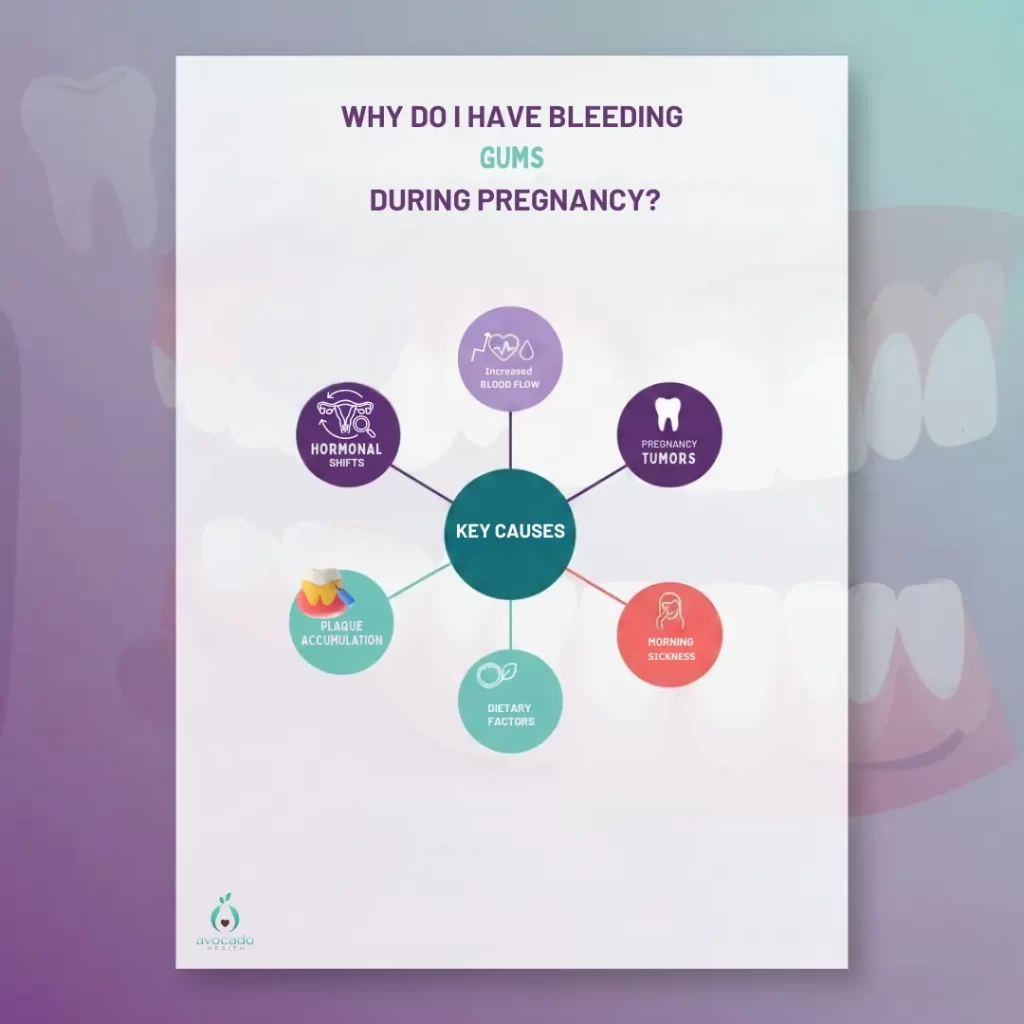
Bleeding gums during pregnancy usually indicate pregnancy gingivitis, a mild form of gum disease caused by hormonal changes and oral bacteria. As a result, the gums become tender, swollen, and more prone to bleeding. 1
Key Causes:
- Hormonal Shifts: Increased progesterone makes gum tissue more reactive to bacteria and plaque, leading to inflammation, swelling, and bleeding. These hormonal changes also result in an increased risk of gum inflammation and oral health issues during pregnancy.
- Changes in immunological response 2
- Increased Blood Flow: Higher blood volume and flow to the gums make them tender and easily irritated by normal brushing or flossing.
- Plaque Accumulation: Hormones make gums more vulnerable to plaque, causing “pregnancy gingivitis,” characterized by red, swollen, and bleeding gums. Maintaining good oral health is important to reduce the risk of gum disease and protect both maternal and fetal health.
- Dietary Factors: A diet lacking certain nutrients (like Vitamin C) or changes in saliva (more acidic) can worsen gum health.
- Morning Sickness: Nausea can make brushing unpleasant, leading to reduced oral hygiene and increased plaque.
- Pregnancy Tumors: Benign growths can form on gums, causing bleeding, but usually resolve after birth. If gum problems like these are left untreated, they can potentially affect the developing baby, increasing the risk of complications such as preterm birth or low birth weight.3
Is It Normal For My Gums To Bleed While Pregnant?
Yes, it is very common and considered normal for gums to bleed, feel tender, or look swollen during pregnancy, as experienced by many pregnant women. Bleeding gums are just one of several other symptoms that may occur during pregnancy, alongside issues like morning sickness, swollen feet, and insomnia.
What Is The Prevalence Of Pregnancy Gingivitis?
According to the Centers for Disease Control and Prevention4, pregnancy gingivitis is extremely common, affecting 60% to 75% of pregnant women, and causing red, swollen, and bleeding gums.5
Bleeding Gums During Pregnancy When Does It Happen?
Bleeding gums during pregnancy often starts as early as the first trimester (around months 2-3), when many women start experiencing bleeding gums; symptoms typically worsen in the second trimester and can continue throughout pregnancy.
When Is Pregnancy Gingivitis Likely To Peak?
Pregnancy gingivitis usually peaks during the third trimester, specifically around the eighth month of pregnancy.
How Long Does Pregnancy Gingivitis Last?
Pregnancy gingivitis is highly treatable with proper care and typically lasts for the duration of the pregnancy, but usually resolves within a few weeks to months after delivery as hormone levels return to normal; however, consistent good oral hygiene is crucial throughout and after pregnancy to prevent worsening and ensure quick recovery.
How Painful Is Pregnancy Gingivitis?
Pregnancy gingivitis can make brushing, flossing, and eating uncomfortable. While often mild, the pain can range from mild discomfort to more significant sensitivity.
Can Pregnancy Gingivitis Affect My Baby?
Yes, untreated, chronic bleeding gums (gum disease) during pregnancy can allow harmful bacteria to enter your bloodstream and potentially affect your baby by increasing the risk of:6
- Premature Birth
- Low Birth Weight
- Being Born Smaller Than Expected
If left untreated, gum disease can advance to a more serious condition known as periodontal disease, which may lead to tooth loss and other significant oral health issues.

Pregnancy gingivitis
is just one of many concerns you’re juggling.
How Do You Treat Gingivitis During Pregnancy?
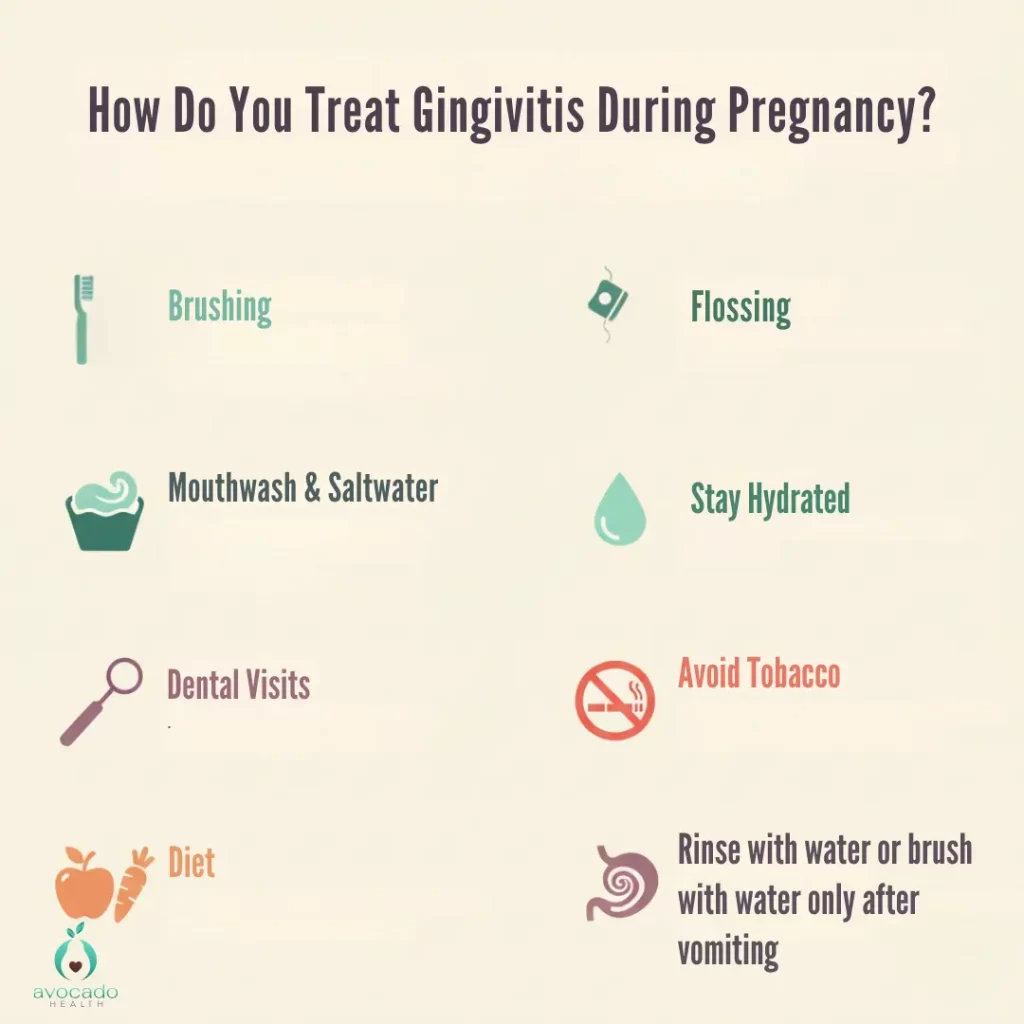
Treating pregnancy gingivitis involves proper oral care and practicing good oral hygiene to prevent dental problems. Key steps include:
- Brushing: At least twice a day using a soft-bristled toothbrush and fluoride toothpaste.
- Flossing: Daily to remove plaque and food particles between teeth.
- Mouthwash: Using an antimicrobial, alcohol free mouthwash
or prescription mouthwash to reduce inflammation and bacterial growth. - Rinse with Saltwater: Swish a solution of warm water and salt (1 tsp salt in 1 cup warm water) to soothe inflammation; you can also add a small amount of baking soda for additional plaque and gum inflammation reduction.
- Dental Visits: Visits to the dentist regularly and Regular thorough cleanings to remove plaque and tartar that brushing and flossing cannot eliminate.
- Diet: Maintain a nutritious diet rich in Vitamin C and A, and avoid sugary foods, acidic foods, and acidic beverages to help prevent tooth decay and minimize gum irritation.
- Stay Hydrated: Drink plenty of water throughout the day to maintain saliva flow, which is a natural defense against oral bacteria.
- Avoid Tobacco Products: Do not smoke or use tobacco products, as they can worsen gum disease, increase bleeding gums, and negatively impact both maternal and fetal health.
- Morning Sickness: Rinse with water or brush with water only after vomiting, then use mouthwash.
What Foods Are Good For Pregnancy Gingivitis?
Maintaining a nutritious diet is essential for oral health during pregnancy, as it supports the immune system and helps prevent issues like gingivitis. Foods that are good for pregnancy gingivitis include those rich in Vitamin C, Calcium, and Omega-3 fatty acids, which help reduce inflammation, strengthen gum tissue, and support tooth enamel.7
Top foods for gum health during pregnancy
- Vitamin C-Rich Foods (Reduce Inflammation): Oranges, strawberries, kiwi, bell peppers, broccoli, and Brussels sprouts.
- Calcium-Rich Foods (Strengthen Teeth/Bones): Milk, cheese, cottage cheese, fortified plant-based milk, and yogurt.
- Leafy Greens (Support Gum Tissue): Spinach, kale, and lettuce provide folic acid, which is crucial for fighting gum disease.
- Omega-3 Fatty Acids (Combat Inflammation): Fish (salmon, tuna), nuts, seeds, and soybeans.
- Beta-Carotene (Vitamin A Source): Sweet potatoes, carrots, and cantaloupe.
- Probiotic Foods: Kefir, sauerkraut, and kimchi to keep harmful mouth bacteria in check.
Tips to prevent pregnancy gingivitis
- Avoid Sugar: Sugary drinks (soda, fruit juices) and sugary snacks fuel the bacteria that cause gum disease. Also, avoid acidic foods and drinks, as they can contribute to tooth decay and irritate the gums.
- Hydrate with Water: Drink fluoridated water throughout the day to flush out food particles and bacteria. Staying hydrated helps maintain saliva flow, which is a natural defense against oral bacteria.
- Manage Morning Sickness: If you experience vomiting, rinse your mouth with water immediately to prevent acid from eroding teeth and irritating gums.
What Are The Risk Factors For Pregnancy Gingivitis?
Pregnancy gingivitis risk factors are primarily driven by:
- Hormonal Shifts: Increased progesterone and estrogen levels make gum tissue more susceptible to bacteria and inflammation, leading to an increased risk of gum inflammation and heightened oral bacteria activity.8
- Increased Plaque Buildup: Hormones can cause a, increase in dental plaque, causing the body to react more aggressively to it.
- Morning Sickness & Vomiting: Acid from frequent vomiting irritates the gums and damages enamel, while nausea may lead to neglecting oral hygiene.
- Poor Oral Hygiene: Inadequate brushing and flossing allow for plaque accumulation, and oral bacteria contribute to gum problems by increasing the likelihood of infection and inflammation.
- Pre-existing Gum Disease: If gingivitis was present before pregnancy, it is highly likely to worsen.
- Nutritional Deficiencies: Poor diet can weaken the immune system’s ability to protect gum health.
- Reduced Saliva Production: Lower saliva levels make it easier for plaque to build up.
- Stress and Fatigue: These can lead to neglecting proper daily dental care routines.
- Smoking or Tobacco Use: These products damage gum tissue and increase the likelihood of infections.
When To Worry About Bleeding Gums During Pregnancy?
While mild, occasional gum bleeding is common in pregnancy, you should be concerned and contact a dentist if you experience:
- Persistent/Heavy Bleeding: Gums that bleed excessively, especially when it does not stop quickly after brushing or flossing.
- Severe Inflammation: Gums that are very swollen, painful, tender, or appear bright red and shiny.
- Structural Changes: Teeth that feel loose, seem to be shifting, or gums that are receding.
- Infection Signs: Pus, sores, or growths (e.g., pregnancy tumors) on the gums.
- Chronic Bad Breath: Unpleasant breath that persists despite good oral hygiene.
Conclusion
While pregnancy gingivitis is common, you don’t have to live with the discomfort. Managing gum irritation early protects both your health and your baby’s growth.
Frequently Asked Questions
What deficiency causes bleeding gums in pregnancy?
Vitamin K is essential for blood clotting; a deficiency can increase the risk of bleeding, including bleeding gums during pregnancy. Additionally, Vitamin C supports gum tissue health, and its deficiency can lead to bleeding and inflammation.
Blood-thinning medications (anticoagulants) may also raise the likelihood of gum bleeding, so be sure to inform your healthcare providers if you are taking any during pregnancy.
Does folic acid deficiency cause bleeding gums?
It is essential for cell growth and development, which supports healthy gums and teeth. A deficiency in folic acid increases the risk of gum disease, including symptoms like bad breath, cavities, and bleeding along the gum line.
Sources:
- Impact of Hormones and Lifestyle on Oral Health During Pregnancy: A Prospective Observational Regression-Based Study
- Effects of Pregnancy on Oral Health
- Pyogenic granuloma gravidarum: A case report
- Talking to Pregnant Women about Oral Health
- Prevalence of gingivitis and risk factors among pregnant women from Acapulco, Guerrero: a cross-sectional study
- Relationship between periodontal disease and preterm low birth weight: systematic review
- Periodontal disease in pregnancy and adverse pregnancy outcomes: Progress in related mechanisms and management strategies
- Understanding the Link Between Hormonal Changes and Gingival Health in Women: A Review