
Foods to help with nausea during pregnancy include bland, easy-to-digest options like crackers, toast, rice, bananas, ginger, yogurt, and protein-rich snacks eaten in small, frequent portions. These foods help stabilize blood sugar, calm the stomach, and reduce queasiness, especially in the first trimester. Learn which options work best, common triggers to avoid, and how to prevent symptoms from worsening.
Table of Contents
What Is Morning Sickness In Pregnancy Like?

Morning sickness can include:
- Nausea/Queasiness: You may feel queasy—a general uneasy sensation in your stomach, as if you might throw up.
- Vomiting: For some, this accompanies the nausea, while others only feel sick.
- Seasickness/Motion Sickness: A rolling, unsteady feeling.
- Food Aversions: Strong dislikes for certain foods or smells that previously didn’t bother you.
- Fatigue: Feeling unusually tired or run down.
- Sensitivity to Smells: Certain odors (like coffee or perfume) can trigger nausea.
- Heartburn/Fullness: A feeling of acid or fullness in the chest/throat.
- Dizziness: Lightheadedness, sometimes from low blood sugar or dehydration.
Research suggests that nausea and vomiting in pregnancy often come with changes in appetite and strong dislikes for certain foods.
These food aversions may actually serve a purpose by helping protect the developing baby from substances in some foods that could be harmful during early pregnancy.1
Does Morning Sickness Feel Like Hunger?

Yes, morning sickness can feel like intense hunger (hunger pangs) or, conversely, a feeling of being too full and sick, often striking when your stomach is empty, leading to a confusing cycle where you’re nauseous but also desperately need to eat, with some women even feeling both hungry and queasy simultaneously.
Morning sickness strikes suddenly, often when you least expect it or when your stomach is empty, making it important to have quick, practical solutions like suitable foods on hand.
This sensation is often linked to fluctuating blood sugar levels and hormonal changes in early pregnancy, where an empty stomach triggers nausea and hunger pangs, but eating can also make you feel worse.
How Early Will Morning Sickness Begin?
Morning sickness typically begins early in pregnancy, often between the 4th and 6th weeks after conception. This timing coincides with the rapid rise of pregnancy hormones, especially human chorionic gonadotropin (hCG) and estrogen, which are believed to play a significant role in triggering nausea.
While some women may start experiencing queasiness even before they miss their period, others might not notice symptoms until later.
As your pregnancy progresses, nausea isn’t the only discomfort you might experience. Swelling in the feet and ankles is also common, especially later on.
What Triggers Nausea During Pregnancy?
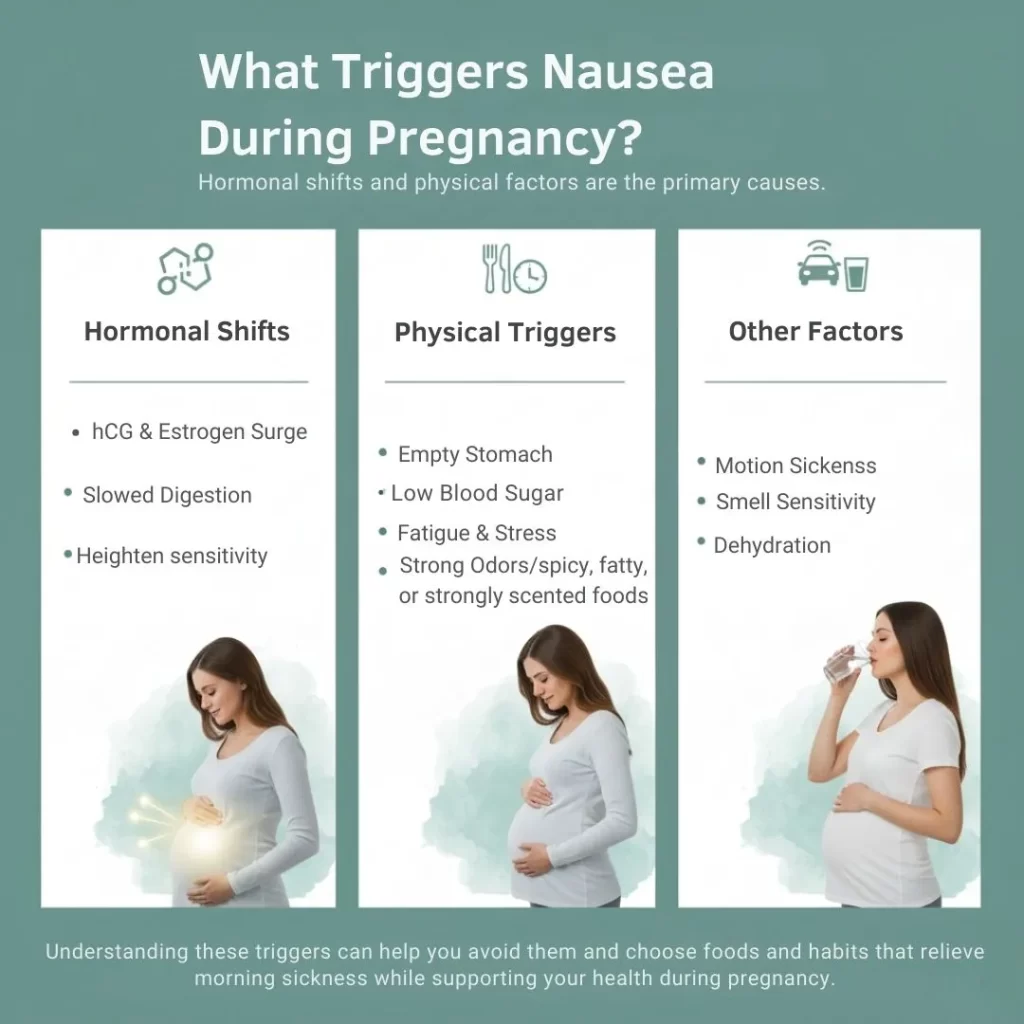
Morning sickness affects between 70 to 80 percent of pregnant women and is primarily triggered by a combination of hormonal changes and physical factors:2
- Hormonal Shifts: Rapid increases in pregnancy hormones like hCG and estrogen slow stomach emptying and heighten sensitivity to smells and tastes, causing queasiness.
- Physical Triggers: An empty stomach, low blood sugar, fatigue, stress, and exposure to strong odors or certain foods (especially spicy, fatty, or strongly scented foods) can worsen nausea.
- Other Factors: Motion sickness, increased smell sensitivity, dehydration, and insufficient fluid intake can intensify symptoms.
Understanding these triggers can help you avoid them and choose foods and habits that relieve morning sickness while supporting your health during pregnancy.
Women who experience mild morning sickness often have a lower risk of miscarriage and stillbirth compared to those who do not experience morning sickness.3
What Foods To Help With Nausea During Pregnancy Actually Work?
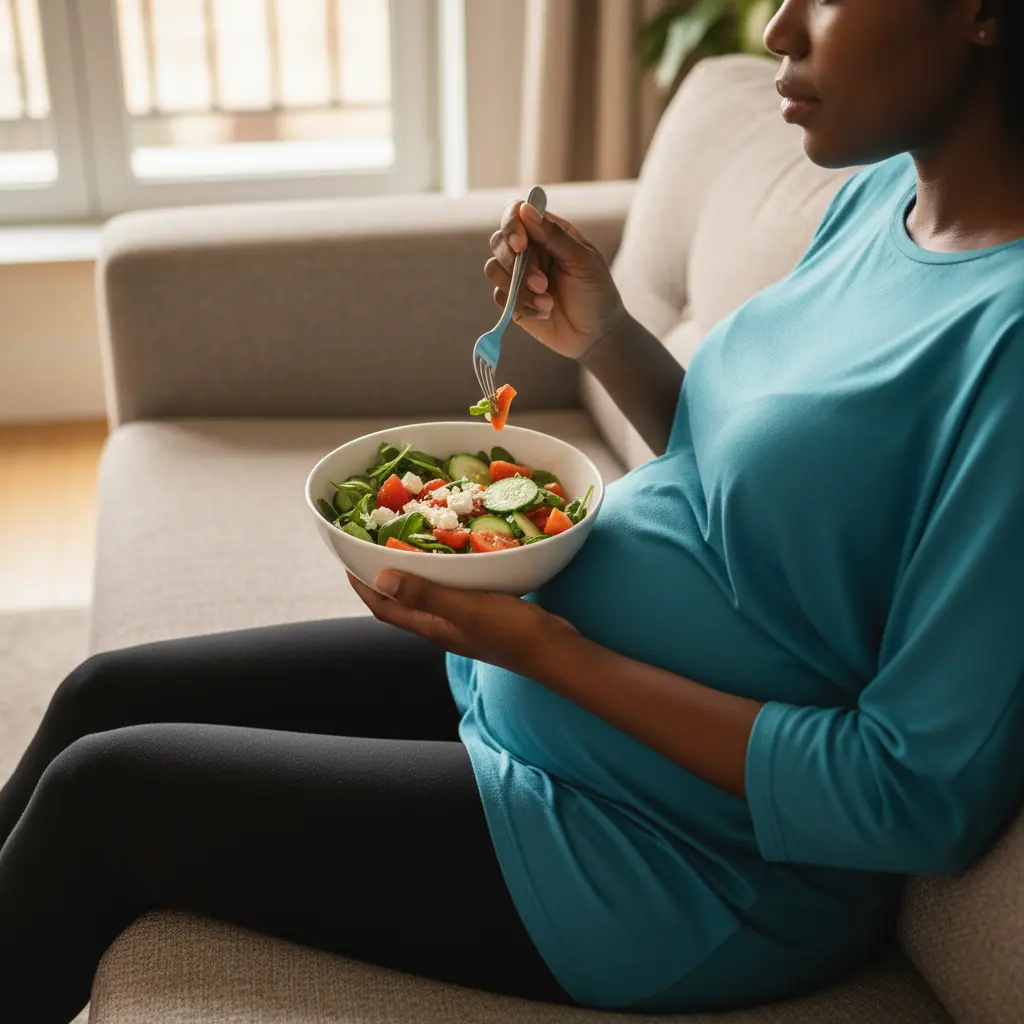
Certain foods are particularly effective home remedies for nausea during pregnancy, helping ease symptoms and provide relief.
1- Dairy products
Dairy products are a valuable source of protein and nutrients for pregnant women, and can help reduce the risk of hyperemesis gravidarum while supporting overall health.
2- Ginger and Ginger-Based Foods
Ginger is one of the most trusted natural remedies to treat morning sickness. It has been extensively studied and used in herbal remedies for centuries to ease nausea and vomiting symptoms.
You can enjoy ginger in various forms such as: 4
- Ginger tea
- Ginger ale made with real ginger
- Ginger snaps
- Crystallized ginger
- Fresh grated ginger root added to hot water or meals
Ginger root for nausea during pregnancy works by soothing the digestive tract with its active compounds.
3- Bland and Easy-to-Digest Foods
Bland foods are less likely to irritate your stomach or trigger nausea. Examples include:
- Dry toast
- Plain crackers
- Oatmeal
- White rice
These foods are gentle on an upset stomach and help absorb excess stomach acid, which can ease nausea.
4- High-Protein Foods
Including lean protein sources such as hard boiled eggs, lean beef, poultry, and Greek yogurt can help reduce nausea during pregnancy. Protein increases the release of gastrin, a hormone that aids digestion and can calm nausea waves. 5
5- Cold Foods and Beverages
Cold foods tend to have less aroma than hot foods, which can be beneficial since strong smells often trigger nausea.
- Cold foods like chilled fruits, smoothies, yogurt, and vegetable juices are easier to tolerate when feeling queasy.
- Drinking cold fluids such as mineral water or diluted orange juice can also help keep you hydrated and reduce nausea symptoms.
- Peppermint tea, served warm or cold, is another soothing beverage option for easing nausea; peppermint has natural soothing properties and can help relax the digestive tract.
6- Fruits and Vegetables with High Water Content
Staying hydrated is essential to prevent dehydration caused by vomiting. Fruits and vegetables high in water content, such as watermelon, cucumbers, and citrus fruits, provide hydration and essential vitamins.
Citrus fruits, in particular, have a refreshing scent and flavor that can ease nausea. Sniffing lemon or orange peel aromas may also help reduce queasiness.
7- Vitamin B6-Rich Foods and Supplements
Vitamin B6 is known to reduce nausea and vomiting symptoms in pregnant women. Foods rich in vitamin B6 include: 6
- Chickpeas
- Bananas
- Poultry
- Fortified cereals
- Dried fruits
Some healthcare providers recommend vitamin B6 supplements or prenatal vitamins containing this nutrient to help manage morning sickness.
8- Salty and Sweet Foods in Moderation
Salty foods can help replace sodium lost through vomiting and may be easier to tolerate during nausea episodes. However, it’s important to consume them in moderation.
Similarly, small amounts of sweet foods can provide quick energy and may be comforting, but avoid overly sugary or fatty foods that can worsen nausea.
Additional Tips
- Eating small meals every half hour to two hours can prevent an empty stomach and reduce nausea.
- Avoid skipping meals, as this can trigger nausea.
- Fresh air and gentle physical activity may also help ease symptoms.
- Always drink plenty of fluids to prevent dehydration, especially if vomiting is frequent. Drink fluids throughout the day, particularly before or after meals, in small, manageable amounts to help prevent dehydration and digestive discomfort.
- If you experience severe morning sickness or hyperemesis gravidarum, seek medical attention promptly.2
Consulting with a registered dietitian or healthcare provider can provide personalized guidance that helps relieve horrible nausea during pregnancy.
When Does Pregnancy Nausea Peak?
For most pregnant women, nausea peaks between weeks 8 and 12.7
The intensity of nausea varies widely:
- Some experience mild queasiness.
- Others endure moderate or severe nausea, known as hyperemesis gravidarum, which may require medical intervention.
It’s important to monitor symptoms closely, especially if vomiting is frequent or severe enough to cause dehydration or weight loss.
When Does Pregnancy Nausea Go Away?
Many women notice gradual relief by weeks 14 to 16 as hormone levels stabilize.
- Duration Variability: About 15 to 20% of women experience nausea and vomiting beyond the first trimester, sometimes throughout pregnancy.2
Why Do Crackers Help Pregnancy Nausea?
Crackers are a popular and effective remedy for pregnancy nausea for several reasons.
- First, they are bland and easy to digest, which means they are less likely to irritate the stomach or trigger nausea.
- Eating crackers before getting out of bed in the morning can help stabilize blood sugar levels and prevent an empty stomach, both of which are common triggers for nausea during pregnancy.
- The dry texture of crackers also helps absorb stomach acid, which can reduce the sensation of an upset stomach.
- Additionally, crackers are convenient and portable, making them a great snack to have on hand throughout the day to manage queasiness.
- Consuming small, frequent meals or snacks like crackers can prevent large meals that might overwhelm the digestive system and worsen nausea.
Overall, crackers serve as one of the best foods to help with nausea during pregnancy by providing a mild, easy-to-tolerate option that helps reduce symptoms and keep you nourished.
Are There Pressure Points For Nausea Relief?
Yes, there are specific pressure points that many people use to help relieve nausea, including pregnancy-related nausea.
One of the most commonly used pressure points is the P6 point (Neiguan point):8
- Location: Inner forearm, about three finger-widths below the wrist crease, between the two tendons.
- How to use: Apply gentle pressure or wear acupressure wristbands.
- Benefits: Can reduce nausea and vomiting; safe and drug-free, ideal for pregnant women.
Another helpful pressure point:
- Location: Webbing between the thumb and index finger.
- How to use: Gentle massage may provide relief.
While pressure point techniques can be helpful, they are most effective when combined with other strategies such as eating bland foods, staying hydrated, and avoiding triggers that make nausea worse.
What Smells Are Good For Nausea During Pregnancy?
For pregnancy nausea, smells like lemon, ginger, peppermint, and lavender are often helpful:
- Citrus and mint: Offer uplifting, stomach-settling scents.
- Ginger: Provides classic anti-nausea relief.
- Lavender: Calms anxiety that can worsen sickness.
You can inhale these from fresh sources (lemon slices, ginger), teas, or essential oils in a diffuser. Use essential oils cautiously, perhaps on a cotton ball.
Is Nausea In Pregnancy A Sign Of A Girl?
Scientific studies have explored this question with mixed results.
Some research suggests that women carrying girls may experience more intense morning sickness or nausea compared to those carrying boys. This could be due to differences in hormone levels, such as higher levels of human chorionic gonadotropin (hCG) or estrogen, which are sometimes associated with female fetuses.
However, other studies have found no significant correlation between nausea severity and the baby’s sex.
Ultimately, the best way to determine your baby’s sex is through medical methods such as ultrasound or blood tests, rather than relying on symptoms like nausea.
Still battling nausea during pregnancy, and nothing sounds appetizing? Text Avocado Health to get on-time expert-backed solutions, and go-to foods that help you ease nausea during pregnancy.
Conclusion
Foods that fight nausea during pregnancy can help ease morning sickness and support your well-being. Most nausea improves over time, but seek medical care if symptoms become severe or persistent.
Frequently Asked Questions
What are the best snacks for nausea during pregnancy?
The best snacks for morning sickness are small, frequent bites of bland carbs like crackers, pretzels, or toast to settle the stomach, often paired with protein like peanut butter, cheese, or nuts for sustained energy
Do sweets help with nausea during pregnancy?
Sucking on boiled sweets can help to reduce nausea and get rid of strange taste. Just be careful to not eat too many.
What fruit relieves nausea fast?
Fruits such as bananas and apples are also known to help soothe nausea. Bananas can be consumed when experiencing nausea accompanied by vomiting. Bananas replenish electrolytes lost during vomiting and restore energy, promoting faster recovery.
Why is it called morning sickness?
The term “morning sickness” is likely originated because many pregnant women report feeling the worst nausea upon waking up in the morning.
Despite the name, morning sickness is a common experience throughout the entire day for many pregnant women. Hormonal fluctuations, particularly the rise in human chorionic gonadotropin (hCG) and estrogen levels, are thought to contribute to nausea at any time.
Sources:
- Dietary and psychosocial correlates of nausea and vomiting in pregnancy
- Nausea and Vomiting of Pregnancy
- Association of Nausea and Vomiting During Pregnancy With Pregnancy Loss
- The Use of Ginger Bioactive Compounds in Pregnancy: An Evidence Scan and Umbrella Review of Existing Meta-Analyses
- Protein meals reduce nausea and gastric slow wave dysrhythmic activity in first trimester pregnancy
- Vitamin B6 is effective therapy for nausea and vomiting of pregnancy: a randomized, double-blind placebo-controlled study
- Nausea and Vomiting in Pregnancy (NVP)
- Effect of Acupressure at P6 on Nausea and Vomiting in Women with Hyperemesis Gravidarum: A Randomized Controlled Trial