
Suffering from reflux and wondering what helps with heartburn during pregnancy? Eating 4–5 small meals a day, staying upright for at least an hour after eating, and avoiding spicy, fatty, or fried foods can help reduce the burning feeling. Try not to eat 2–3 hours before bed, and raise your head while sleeping. Most over-the-counter antacids are safe, but avoid those with sodium bicarbonate. Learn what causes heartburn, how to prevent it, and when to see your doctor.
Table of Contents
Is Heartburn Normal During Pregnancy?
Heartburn is very common and considered normal during pregnancy, also called indigestion, heartburn, or acid reflux, affecting 30% to 80% of pregnant individuals. 1
What Does Heartburn Feel Like During Pregnancy?
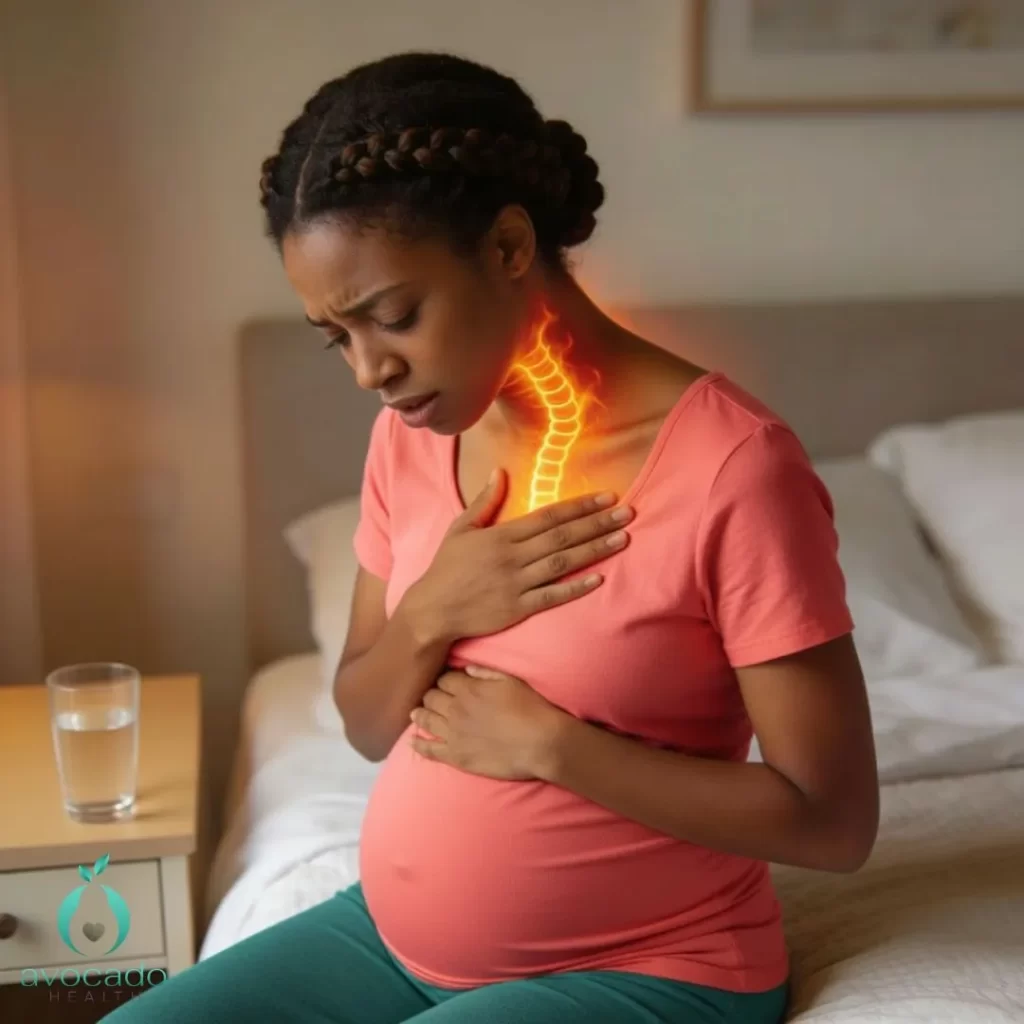
Heartburn usually feels like a painful burning or pain behind your breastbone, rising up to your throat,. It often happens:2
- After eating
- When you lie down
- When you bend over
Common Signs of Pregnancy Heartburn:
- Acid coming back up
- Chest pain or burning sensation
- Feeling sick to your stomach
- Sour or bitter taste in your mouth
- Frequent burping
- Feeling bloated
- Persistent dry cough
How Early Do You Get Heartburn In Pregnancy?
Symptoms usually start soon after eating or drinking, but sometimes there can be a delay before you feel indigestion. You can get these symptoms at any time during your pregnancy, but they are more common from about 12 weeks onward.
How Long Does Pregnancy Heartburn Usually Last?
Heartburn during pregnancy is especially common in the third trimester and typically lasts throughout the second and third trimesters, usually resolving shortly after childbirth. However, about 20% of women continue to experience GERD symptoms even after giving birth. 3Individual episodes of heartburn can last anywhere from a few minutes to several hours.4
What Causes Heartburn During Pregnancy?
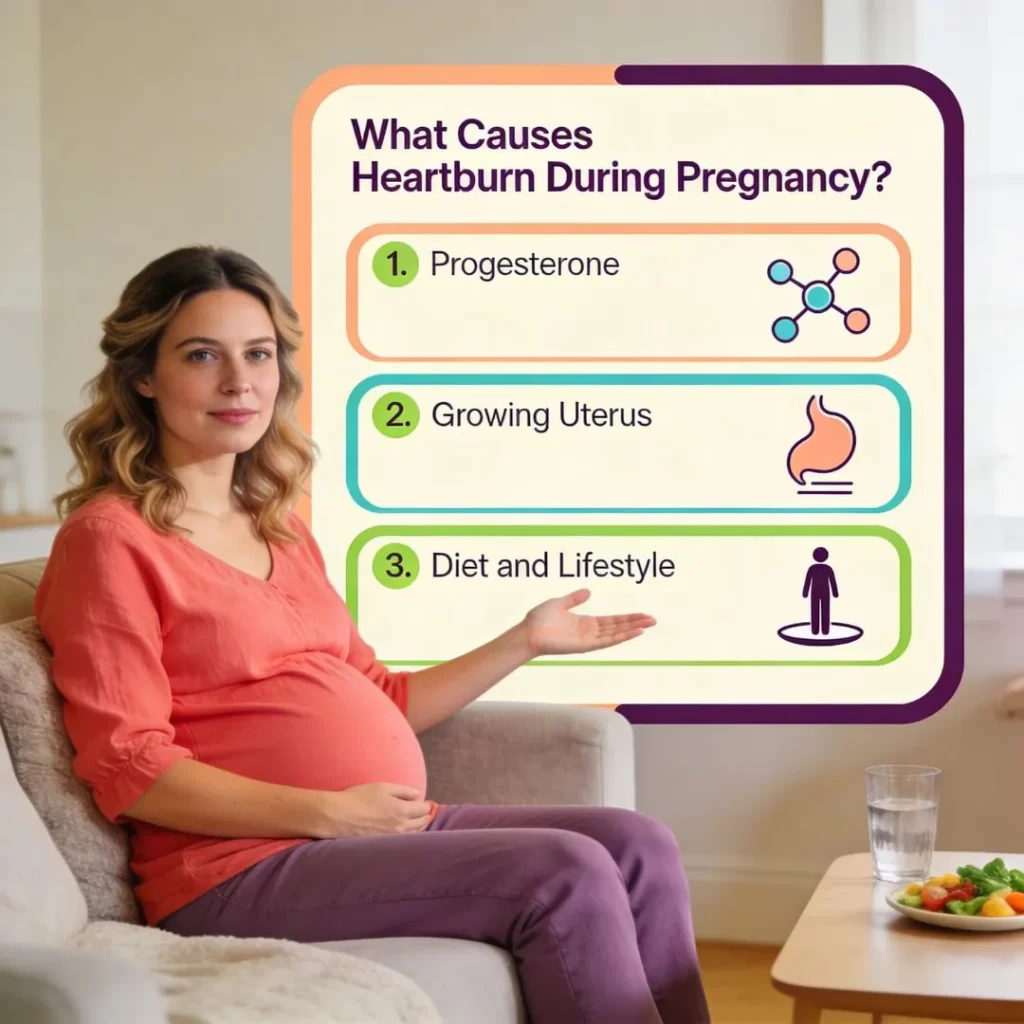
Heartburn during pregnancy is primarily caused by a combination of hormonal changes and physical pressure from the growing uterus, which allow stomach acid to flow back into the esophagus. The hormone progesterone relaxes the digestive system muscles and the valve between the stomach and esophagus, while the expanding uterus compresses the stomach.
Certain factors, such as higher hormone levels and increased abdominal pressure, increase the risk of heartburn during pregnancy.
Key Causes of Pregnancy Heartburn:
- Progesterone: This hormone relaxes the sphincter muscle (the valve) at the top of the stomach, preventing it from closing properly and allowing stomach acid to rise.
- Estrogen: High levels of estrogen don’t directly weaken the LES (that’s the ring of muscle at the bottom of your food pipe that keeps stomach acid from coming up). But estrogen is connected to another hormone, progesterone, which does relax that muscle – so estrogen might play a small indirect role.4
- Growing Uterus: According to the American Pregnancy Association 5, as the uterus expands, especially during the second and third trimesters, it pushes against the stomach, forcing acid upward.
- Diet and Lifestyle: Spicy, fatty, fried, and citrus foods, as well as caffeine, can worsen symptoms.
What Helps With Heartburn During Pregnancy?
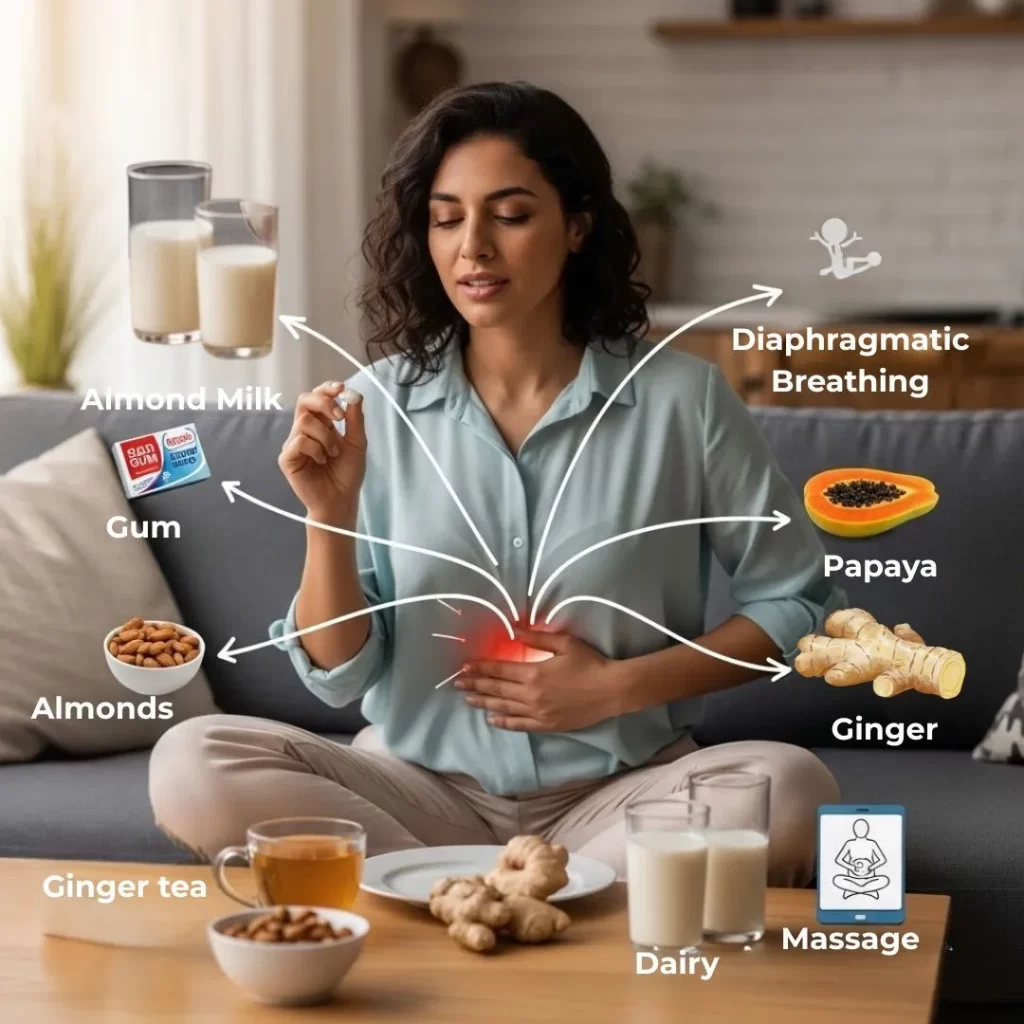
Acid reflux during pregnancy is best managed by eating 4–5 small, frequent meals instead of 3 large ones, staying upright for at least one hour after eating, and avoiding triggers like spicy, fatty, fried, or chocolate foods. Avoid fried foods in particular, as they can worsen heartburn symptoms.
How to calm heartburn without antacids?
- Chew Gum: Chewing gum after meals can stimulate saliva and help neutralize acid.
- Almonds: Eating raw almonds may help neutralize stomach acid.
- Ginger or Papaya: Ginger tea or enzymes can aid digestion.
The safe amount of ginger to take is usually about 1 gram per day, split into two to four doses throughout the day.
- Dairy: A glass of milk or yogurt may provide relief as a natural antacid.
- Almond Milk: Its alkaline nature helps neutralize stomach acid.
- Coconut Water: A natural electrolyte drink that acts as an acid neutralizer.
- Diaphragmatic Breathing: Breathe deeply into your belly (abdomen should expand), not your chest, to engage the diaphragm and help the lower esophageal sphincter (LES).
- Massage: Gently massage below the rib cage or apply pressure to tender spots with a ball or fingers to encourage relaxation.
Related: How to help dizziness in early pregnancy
What Antacids Are Safe During Pregnancy?
Calcium carbonate is the active ingredient in many antacids, and is generally considered safe during pregnancy. Magnesium-based antacids are also typically safe, but check with a healthcare provider first.
Avoid Sodium Bicarbonate: Do not use antacids containing sodium bicarbonate or aspirin.
If symptoms persist, other safe medications include:
- Histamine-2 receptor antagonists (H2RAs): cimetidine, ranitidine, famotidine, nizatidine7
- Proton pump inhibitors (PPIs): omeprazole, pantoprazole, lansoprazole
How To Prevent Heartburn During Pregnancy?
Prevention of heartburn during pregnancy starts with practical strategies to reduce the occurrence of symptoms, including:
Dietary Adjustments
- Eat Smaller, More Frequent Meals: Instead of three large meals, consume 4 to 6 smaller meals to avoid overloading the stomach., reducing pressure that forces acid into the esophagus.
- Identify and Avoid Trigger Foods: Common triggers include spicy dishes, greasy or fried foods, chocolate, caffeine, citrus fruits/juices, carbonated drinks, and peppermint.
- Avoid smoking or drinking alcohol.
- Time Your Fluids: Drink liquids between meals rather than with meals to prevent overfilling the stomach.
- Eat Slowly: Slower consumption aids digestion and prevents reflux.
Prevention is the best medicine, so making these dietary adjustments can help treat heartburn before it starts.
Lifestyle Habits
- Stay Upright After Eating: To reduce acid reflux and heartburn during pregnancy, avoid bending over or lying down for at least two to three hours after eating.
- Elevate Your Bed: Raise the head of your bed 6 to 8 inches to prevent nighttime heartburn.
- Wear Loose Clothing: Avoid tight clothing around the waist and abdomen, which can increase pressure on the stomach.
- Stay Active: Take a short, light walk after eating to aid digestion. Walking after meals can help alleviate heartburn during pregnancy.
Related: Hazy Urine in Pregnancy: 8 Causes & How to Treat
Is There A Pressure Point To Stop Heartburn?
While no single point cures heartburn, Pericardium 6 is commonly used for nausea and chest relaxation, helping digestive flow.
Key Acupressure Points for Heartburn Relief:
Pericardium 6 (PC-6) (Neiguan):
Location: Inside the wrist, two finger-widths up from the crease, between the two prominent tendons.
Benefits: Relaxes the chest, calms anxiety, reduces nausea, and encourages downward digestion.
Zhongwan (CV12) (Middle Cavity):
Location: On the midline of the abdomen, midway between your navel and the bottom of your breastbone.
Benefits: Eases acidity, bloating, and general stomach discomfort.
Stomach 36 (ST36) (Zusanli):
Location: On the outer side of the shinbone, about four finger-widths below the kneecap.
Benefits: Regulates energy, supports abdominal health, and boosts overall digestion.
How to Apply Acupressure:
Locate: Find the point, often feeling for tenderness or a slight dip.
Press: Use your thumb or fingers to apply gentle, firm pressure in a circular motion.
Breathe: Massage for 30 seconds to 3 minutes while taking slow, deep breaths into your belly.
Both Sides: Try each side of the body (e.g., both wrists) to see which feels more effective.

how to get rid of heartburn during pregnancy fast?
Why Do I Get Heartburn When I Don’t Eat While Pregnant?
Heartburn during pregnancy is often linked to eating habits, but surprisingly, it can also occur when you haven’t eaten for a while. When your stomach is empty, the acid inside can irritate the lining of your esophagus, leading to that uncomfortable burning sensation. This can happen because stomach acid doesn’t have food to work on or to buffer it, so it may reflux more easily into the esophagus.
To help prevent heartburn when you don’t eat for extended periods, try consuming several small meals or snacks throughout the day instead of three large ones. This approach keeps a small amount of food in your stomach, which can absorb acid and reduce reflux.
If heartburn occurs despite these measures, drinking a small glass of warm milk or eating a few almonds may provide temporary relief by neutralizing stomach acid. As always, consult your healthcare provider if heartburn symptoms are frequent or severe during pregnancy.
Can Heartburn Affect My Baby?
Heartburn during pregnancy does not directly harm the baby. The acid reflux and discomfort are due to physiological changes in the mother’s body, not harmful effects on the fetus.
However, persistent and severe heartburn can lead to:
- Significant vomiting
- Difficulty eating
These issues may affect maternal nutrition, which can indirectly impact fetal growth and development.
Is It Normal To Throw Up From Heartburn While Pregnant?
It is very normal to experience vomiting, nausea, and severe heartburn (or gastroesophageal reflux disease/GERD) during pregnancy, affecting 30%–91% of pregnant individuals, especially in the first trimester. Hormonal changes and increased pressure on the stomach often cause this reflux, which can trigger vomiting.
If heartburn persists or worsens, pregnant women should consult their healthcare provider for safe and appropriate treatment options.
When Should I Be Concerned About Heartburn During Pregnancy?
Contact your healthcare provider if you experience heartburn along with:
- Severe Chest Pain: Especially if it’s new or feels like heart symptoms, as it can mimic serious conditions.
- Difficulty Swallowing (Dysphagia): Or if food feels stuck.
- Black, Tarry Stools: Or blood in your stool.
- Unexplained Weight Loss: Or inability to keep food down.
- Persistent Vomiting: Or severe nausea.
- Signs of Preeclampsia: Severe headache, dangerously high blood pressure, vision changes (blurriness), or pain on the right side of your abdomen.
- Trouble Sleeping: Due to severe heartburn.
Text Avocado Health to get real-time support, which can help alleviate the stress associated with managing pregnancy symptoms.
Conclusion
Heartburn, a major pain during pregnancy, can be expected due to hormonal changes and increased pressure on the stomach. Managing it can make a huge difference. Start by eating smaller, more frequent meals, try to eat or drink sitting up after you eat, and avoid things that can set you off, like spicy or fatty food. Always check with your doctor before taking antacids, particularly those containing sodium bicarbonate
Frequently Asked Questions
Does ice help heartburn during pregnancy?
Ice or cold water can provide temporary relief for heartburn during pregnancy by numbing the esophagus and reducing the burning sensation. Sipping on cold water or sucking on ice chips may help soothe the throat and dilute stomach acid, which can ease discomfort. However, ice is a short-term remedy and does not address the underlying causes of heartburn.
Does heartburn mean baby has hair?
The belief is that if a pregnant woman experiences heartburn, it means her baby will be born with a full head of hair. While this is a charming idea, there is no scientific evidence to support this claim.
However, some studies have found a slight correlation between the severity of heartburn and the amount of hair on newborns, but this does not mean one causes the other. It’s more of a coincidence than a rule.
While heartburn can be uncomfortable, it doesn’t predict your baby’s hair growth. Every baby is different, and hair quantity is determined by genetics and other factors. Instead of focusing on this myth, it’s best to concentrate on managing heartburn symptoms for your own comfort and health during pregnancy.
Is heartburn a sign of labor?
Heartburn is generally not considered a direct sign of labor. While it is a common symptom during pregnancy, it does not indicate that labor is imminent. Labor signs usually include regular contractions, water breaking, and cervical changes, rather than digestive discomfort. However, some women report an increase in heartburn or indigestion in the days leading up to labor.
Sources:
- Evolution of GERD symptoms during the course of pregnancy
- Indigestion and heartburn in pregnancy
- Review of recent evidence on the management of heartburn in pregnant and breastfeeding women
- Heartburn, Nausea, and Vomiting During Pregnancy
- American Pregnancy Association
- Ginger for nausea and vomiting of pregnancy
- Treatment of heartburn and acid reflux associated with nausea and vomiting during pregnancy