



Why do babies rub their eyes when tired? Babies often rub their eyes when they are tired because their eye muscles get tired after looking around for a long time, and a chemical called adenosine builds up in the brain to signal that it’s time to sleep. Rubbing their eyes helps calm their nervous system and makes it easier for them to fall asleep. It also helps spread tears over their eyes if they feel dry. This is a normal sign that a baby is ready to rest. Sometimes babies rub their eyes when teething or when their eyes are irritated by allergies. Discover why baby keeps rubbing eyes when not tired and how to stop.
Table of Contents
When Do Babies Start Rubbing Their Eyes?

Babies typically start rubbing their eyes as early as 2 to 3 months old, usually when they begin gaining better control over their hands and movements.1
5 Reasons Why Do Babies Rub Their Eyes When Tired
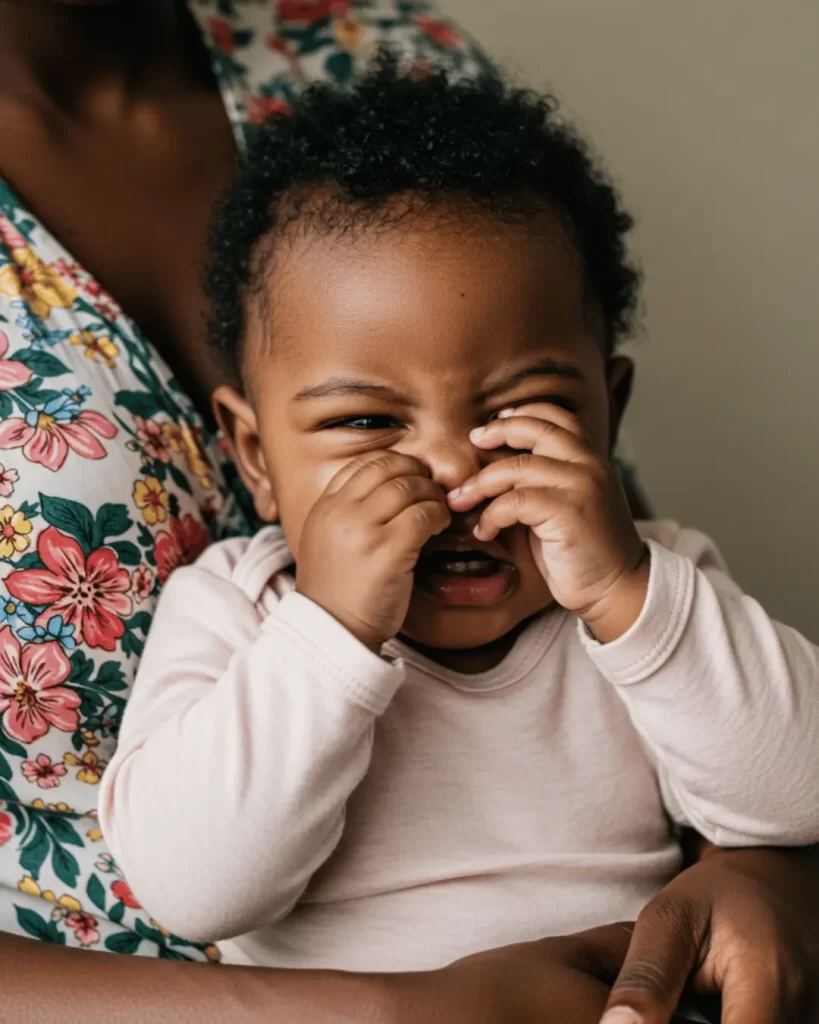
Babies rub their eyes when tired because fatigue causes dry eyes, which rubbing helps soothe, and because it acts as a self-soothing gesture to block out stimulation and signal readiness for sleep. It is a classic sleep cue, often accompanied by yawning, red eyebrows, or fussiness as their bodies struggle to stay awake.
Here are the three most common reasons why babies rub their eyes when tired:2
Moisturizes Dry Eyes
Most adults blink about 15 to 20 times each minute. Babies, on the other hand, blink much less when they are paying close attention, sometimes just a few times per minute. If we do not blink enough, the thin tear film that covers our eyes can break up, leaving dry spots on the cornea.
When babies get tired, a few things happen:3
- Blinking slows down.
- Slower blinking causes dryness and irritation.
- To relieve it, babies rub their eyelids.
- Rubbing stimulates tear production from the lacrimal glands, rehydrating the eyes and easing irritation.
Here’s why it helps: tears aren’t just “water.” They’re made up of three layers working together:
- A watery layer that hydrates and washes away debris.
- An oily layer that stops the tears from evaporating.4
- And a mucus layer that helps tears spread evenly across the eye.
When rubbing stimulates the tear glands, it refreshes the protective film, rehydrates the eyes, and eases irritation.
Eye-rubbing is a common behavior and part of your baby’s development, and it’s perfectly normal when they’re sleepy.
Stimulates The Oculocardiac Reflex
Gentle pressure on the eyes activates the vagus nerve, which may lower the baby’s heart rate, creating a calming effect that helps them relax and get ready to snooze.5
Experts from the American Academy of Ophthalmology explain that the reflex is a side effect of eye rubbing, not the main reason babies do it. However, the calming feeling can encourage babies to keep rubbing their eyes over time.
Eases Eye Strain
Since a baby’s vision is still developing and requires significant effort to process visual information, their eyes can become fatigued.6
Rubbing helps alleviate this sensation of tiredness and heaviness.
Adenosine Builds Up and Signals Sleep
Each minute a baby is awake, the brain releases a chemical called adenosine. As time passes, more adenosine builds up. When there is enough, it attaches to certain receptors in the brain, slowing activity and making the baby feel sleepy.
Studies on adenosine A1 and A2A receptors in sleep disorders show that adenosine is the main chemical behind sleep pressure. It builds up while we are awake because of how our brain uses energy. When sleep pressure is highest, babies often rub their eyes, which is a sign that it is the best time for them to sleep.7
Eye Rubbing is a Self-Soothing Behavior
Babies use physical movement to manage discomfort before they can use words. Eye rubbing falls into the same category as thumb sucking or rocking. It provides the nervous system with a small sensory input that helps transition the brain from alert wakefulness to sleep.
When the baby’s body releases cortisol from staying awake past the ideal sleep window, the calming effect of rubbing becomes even more important. Missing the window and letting tiredness become overtiredness makes it harder to settle.
Is Baby Rubbing Eyes A Milestone?
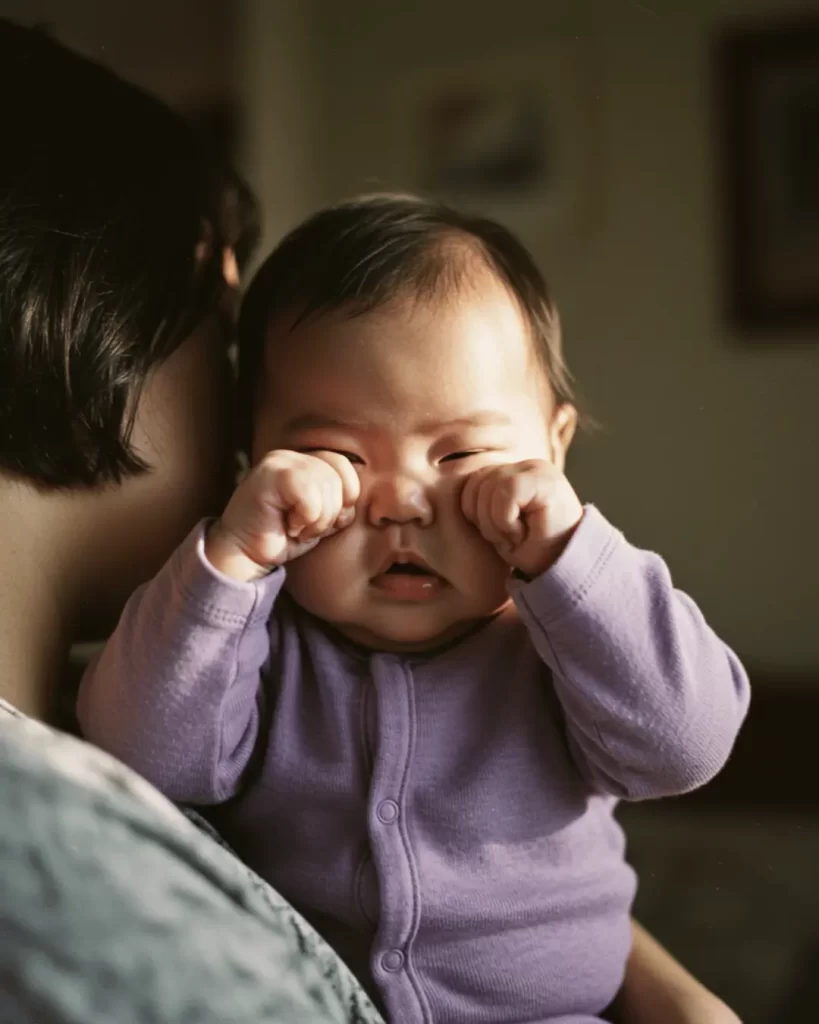
Eye rubbing is one of the first movements your baby learns. It can help them self-soothe or signal they are ready for rest. So if your little one is rubbing their eyes a lot, it’s a normal part of development and just another milestone in their journey. 8
Why Baby Keeps Rubbing Eyes When Not Tired: Other possible reasons
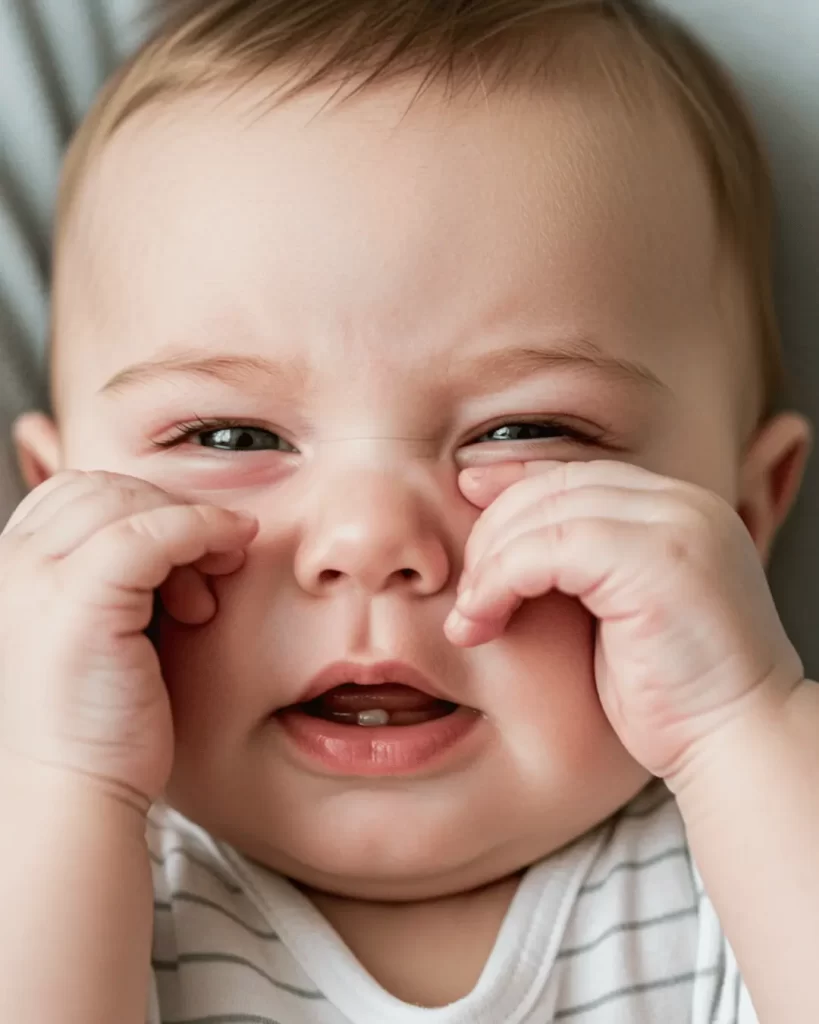
Besides tiredness, your little one might be rubbing their eyes frequently for various reasons.9
Baby Rubbing Eyes a Lot: Causes Beyond Tiredness
Irritation: Babies have sensitive eyes that can react to things like dry air, dust, pet dander, smoke, strong smells, or even a single eyelash. Any of these can make your baby uncomfortable and lead to frequent eye rubbing.
Pay attention to when and where your baby rubs their eyes. If it happens more often in certain rooms, around pets, or during particular seasons, something in the environment is probably causing it. Since babies are unable to express unease verbally, they may rub their eyes to try to clear it.10
Infection: Bacterial or viral conjunctivitis can make your baby’s eyes itchy before you notice any redness or discharge. If your baby recently had a cold or was near someone who was sick, they might develop pink eye.
Signs that suggest infection rather than simple irritation:
- Yellow or green discharge in the corner of the eye
- Crusty eyelids after waking
- Redness that stays after rest
- Unusual fussiness combined with frequent rubbing
If you think your baby has conjunctivitis, see a doctor for advice. Do not try to treat it on your own, since bacterial and viral infections need different treatments.
Eye allergies: Allergens like dust, pollen, or pet dander can make a child’s eyes itchy, leading to rubbing.
Overstimulation: A baby might rub their eyes as a way to “tune out” after a long period of stimulation. It can signal that they are overstimulated and need a quieter environment.
Sensory exploration. Babies use touch to learn about their surroundings. Eye rubbing is one of the first motor skills they develop and offers comforting sensory feedback. Babies rub their eyes as part of their natural curiosity and exploration of their bodies.
Signs it is exploratory rather than discomfort-driven:
- The baby looks calm and engaged, not fussy.
- Rubbing is gentle, not forceful.
- No redness, tearing, or other symptoms
Teething discomfort: Teething pain can spread across your baby’s face because the nerves in the gums are connected to the cheeks and the area around the eyes. This is why babies who are teething might rub their faces and eyes.
Signs that teething is the cause:
- Increased drooling
- Chewing on hands or objects
- Swollen gum line
- Rubbing the face broadly, not just the eyes
Giving your baby a cold teething ring can help soothe their discomfort and may also lessen the eye rubbing.
Imitation: Babies may mimic the behavior of adults or other children who rub their eyes.
habit: Sometimes eye rubbing becomes a habit.
Vision Problems (Refractive Errors): If your baby’s eyes have trouble focusing, their eye muscles can get tired, leading them to rub their eyes. Nearsightedness is a common but often overlooked cause of ongoing eye rubbing in babies and young children.
Signs that vision may be involved:
- Holding toys or objects very close to the face
- Squinting or closing one eye
- Rubbing during visual tasks, not just near sleep time
- Rubbing that continues throughout the day, regardless of sleep schedule
Having your baby’s eyes checked sometime between birth and 24 months can help find vision problems early.
Baby keeps rubbing their eyes while sleeping: Is Something Wrong?
Babies often rub their eyes while sleeping, and this is usually normal. They do this during rapid eye movement (REM) sleep, when their brain actively processes memories, or as a reflex when they transition between sleep cycles. These movements rarely indicate discomfort or a problem. You can let your baby sleep without intervention unless you notice signs of distress or illness.11
A 2026 study published in PMC confirms that physical movements during infant sleep, including limb twitches and facial rubbing, are hallmarks of active sleep and do not signal distress or require intervention.12Two separate things cause it.
1- REM Sleep Eye Movements
Newborns and young infants spend a large portion of their sleep in active sleep, which is the infant version of REM sleep.13
A 2026 review published in Pediatric Research looked at how infant sleep patterns change over the first year of life. The authors confirm that at birth, most sleep is active sleep, and the brain shows continuous low-voltage activity alongside irregular breathing, facial grimacing, and isolated limb twitching.14
During this stage:
- The eyes move rapidly under or behind partially open eyelids.
- The baby may smile, twitch, or move hands toward the face.
- None of the movement is deliberate; the brain is actively organizing memories and experiences from the day.15
2- Hand Rubbing at Sleep Cycle Transitions
Infant sleep cycles are much shorter than adult cycles, around 40 to 50 minutes in newborns. At the end of each cycle, the baby briefly surfaces into a light state between sleep and wakefulness.16
At that moment:
- The baby is not fully awake and not fully asleep.
- According to MedlinePlus, certain reflexes in infants, such as the tonic neck reflex, can cause their hands to move toward their face automatically and without conscious intent.
The Science of Infant Sleep Cycles explains that babies lack the ability to connect sleep cycles smoothly the way adults do, which is why these brief arousal moments produce visible movement.
Some babies manage to settle back into the next cycle on their own. When babies rub their eyes, it is often a sign that they are sleepy and may need a nap.17
Do Babies Rub Their Eyes When Overstimulated?
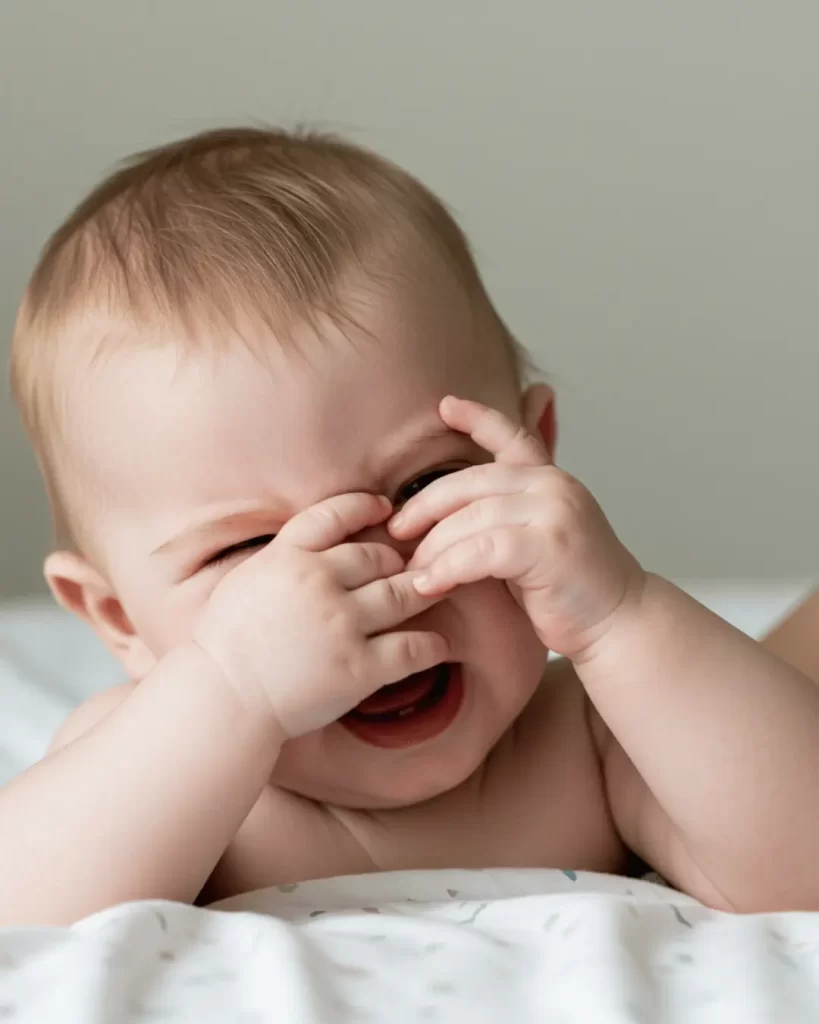
Babies often rub their eyes when they are overstimulated. Overstimulation occurs when a baby is exposed to too much sensory input, such as:
- Loud noises
- Bright lights
- Too much activity
Too much input can overwhelm their developing nervous system, causing them to feel uneasy or distressed.
Rubbing their eyes becomes a natural way for babies to block out some of the overwhelming stimuli. It helps them calm down and signals that they need a break or a quieter environment.
How to Stop a Baby from Rubbing Their Eyes
Stopping a baby from rubbing their eyes can be tough, but start by identifying the cause and then addressing it. Here are some ways to reduce eye rubbing while keeping your little one’s eyes healthy:18
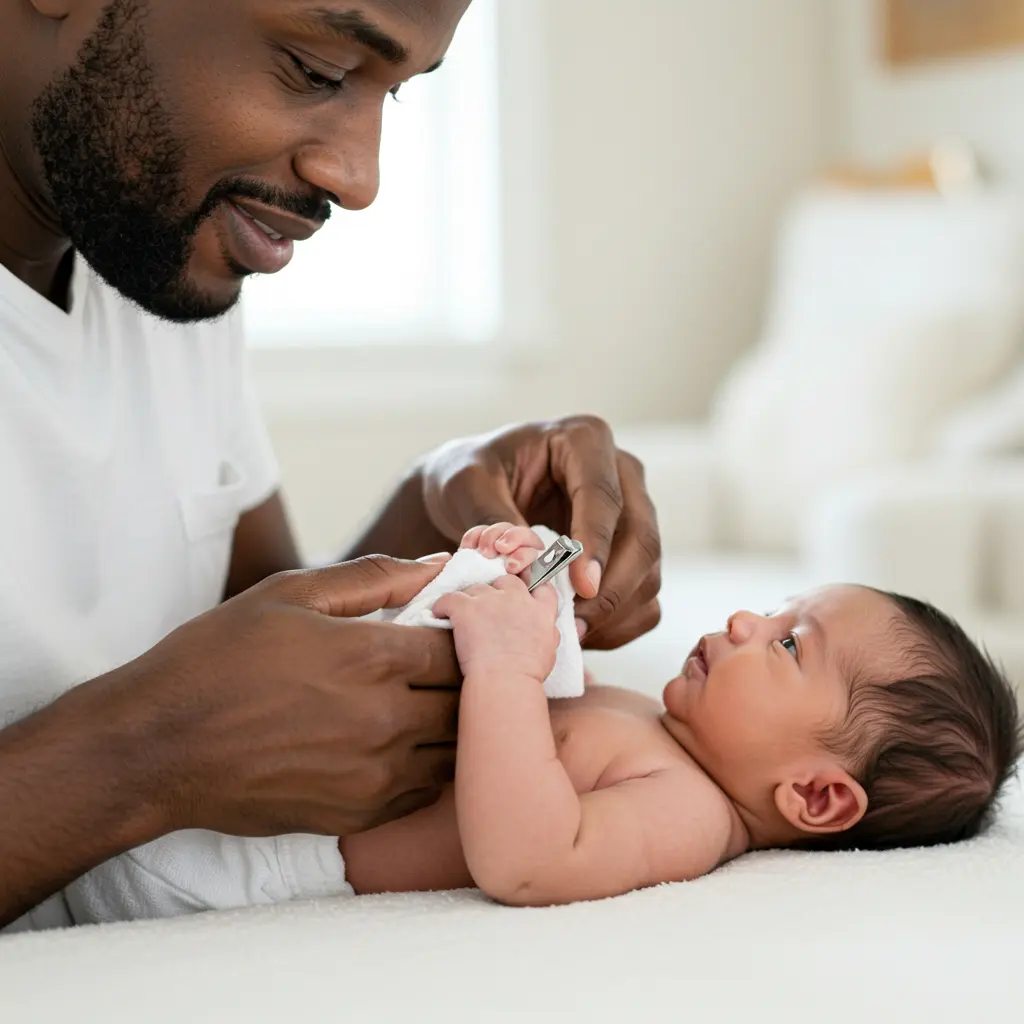
Keep Baby’s Hands Clean And Nails Trimmed
Since babies rub their eyes with their hands:
- Make sure the baby’s hands are clean to prevent germ transfer that can cause infection.
- Trim baby’s nails to reduce the risk of accidental scratching or irritation to the delicate skin around the eyes.
Use A Cold Washcloth
- Gently wipe baby’s eyes with a washcloth soaked in warm water to soothe irritation.
- Apply a cold, damp cloth to numb and provide relief, especially during teething or when allergies are acting up.
Keep Eyes Moist
If dry eyes are suspected, use a humidifier in the baby’s room to:
- Maintain moisture in the air, particularly in areas with dry climates.
- Reduce dryness and inflammation that can lead to scratching.
Create A Calm Environment
Overstimulation can cause babies to rub their eyes as a way to self-soothe. Reduce noise, bright lights and activity to calm the baby and stop eye rubbing. 19
Establish A Sleep Routine
Try putting the baby down for a nap or creating a regular rest schedule to help the baby overcome tiredness and stop eye rubbing.20
Babies need 12 to 16 hours of sleep in 24 hours, including naps, so be sure to give them plenty of opportunities to rest.
Offer Distractions
Provide toys or engage the baby in play to redirect their attention away from rubbing their eyes, especially if it’s due to boredom or sensory exploration.
Address Underlying Causes
If allergies, infections, or teething are suspected to be causing eye rubbing, consult your pediatrician or eye doctor for proper diagnosis and treatment. Managing these conditions can reduce eye rubbing big time.
Avoid Rubbing
While it may be tempting to let babies rub their eyes to relieve irritation, try to gently discourage this behavior by using mittens to prevent injury.
Keep an eye on your child’s overall eye health especially if they show signs of discomfort.
When To Seek Medical Advice
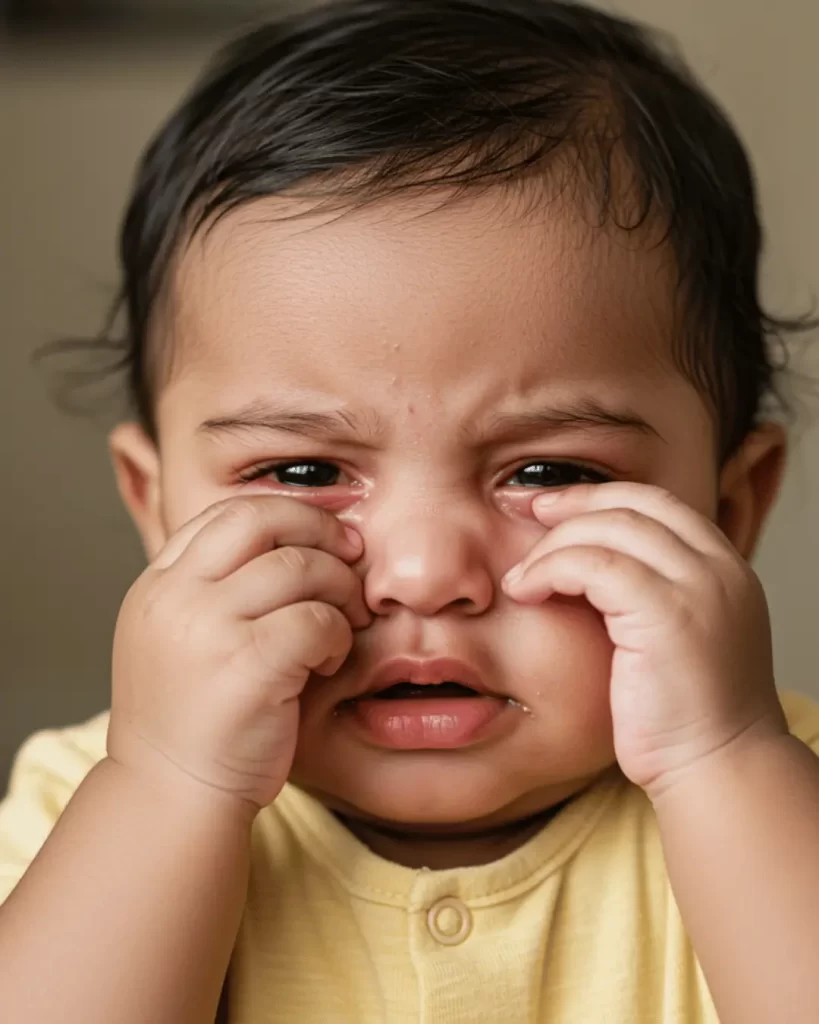
While occasional eye rubbing is a normal and harmless habit for babies, it is essential to consult a pediatrician or eye specialist if you notice any of the following signs:21
- Frequent or intense eye rubbing
- Redness or swelling around the eyes
- Yellow or green discharge
- Increased fussiness or irritability
If your baby is constantly rubbing their eyes, scheduling an eye exam with an eye doctor is a wise step.
Still Concerned About Your Baby Rubbing Their Eyes?
Let Avocado Health be your parenting coach. With 24/7 text-based expert support, get personalized guidance, practical tips, and absolute peace of mind, anytime, anywhere.
Conclusion
Seeing your baby rub their eyes can tug at your heart, but it’s usually a normal way they soothe themselves, signal tiredness, or ease irritation. By addressing the cause, you can comfort them and ease their fussiness.
Frequently Asked Questions
1- Do Babies Rub Their Eyes When Teething?
Yes, babies often rub their eyes when they are teething. Teething can cause discomfort and pain that radiates to different parts of the face, including the eyes.
This happens because the nerves in the face are interconnected, so soreness in the gums can create sensations that lead babies to rub their eyes in an attempt to soothe the discomfort.
The pressure and motion of rubbing can provide temporary relief from the pain caused by the baby’s gums during this phase.
Teething discomfort is a common reason for increased eye rubbing, especially when the upper teeth are coming in.
3- Why Does My Baby Rub Their Eyes When Feeding?
Babies may rub their eyes while feeding for several reasons, such as:
Feeding requires concentration and coordination, which can sometimes lead to eye strain or fatigue, prompting your baby to rub their eyes as a way to relieve discomfort.
The position during feeding might cause slight sensitivity if the baby’s face or eyes come into contact with clothing, hands, or feeding equipment.
Some babies rub their eyes as a self-soothing behavior during feeding, especially if they are feeling sleepy or overstimulated.
Eye rubbing during feeding could also indicate mild discomfort due to environmental factors such as bright lights or allergens in the feeding area.
4- Do Autistic Babies Rub Their Eyes A Lot?
Some autistic babies and children may rub their eyes more frequently than neurotypical children. This behavior can be linked to sensory processing differences common in autism spectrum disorder (ASD). Reasons may include:
Self-regulation: Eye rubbing might serve as a way to manage sensory input, relieve discomfort from irritated eyes, or cope with overstimulation.
Heightened sensitivity: Autistic babies may be more sensitive to light or visual stimuli, making their eyes feel strained or irritated.
Repetitive behaviors: Since repetitive actions are characteristic of ASD, rubbing or touching their face and eyes can also be part of these behaviors.
Why is my baby rubbing one eye?
If your baby is rubbing just one eye, it usually means there is a problem with that eye, not something affecting the whole body. Common reasons include a blocked tear duct, something like dust or an eyelash in the eye, an infection in one eye, or a small scratch on the surface. If you notice redness or discharge along with the rubbing, you should see a doctor.
Sources:
- Effectiveness of a training program for the acquisition of motor milestones in infants: a randomized clinical trial
- Prevalence of dry eye disease among children: a systematic review and meta-analysis
- Dry eye disease: an introduction
- Insights into Tear Film Stability from Babies and Young Adults
- Stimuli factor of muscular receptors, extraocular muscles and oculocardiac reflex
- Spontaneous Infant Crying Modulates Vagal Activity in Real-Time
- Adenosine A1 and A2A Receptors in Sleep Disorders
- https://pmc.ncbi.nlm.nih.gov/articles/PMC10754064/
- Understanding allostasis
- Behavioral and neural measures of infant responsivity increase with maternal multisensory input in non-irritable infants
- The Importance of Sleep for the Developing Brain
- Twitching in Sleeping Premature Infants Provides a Sensitive Behavioral Assay of Early Motor Control
- Sleep and Infant Development in the First Year
- Twitching in Sleeping Premature Infants Provides a Sensitive Marker
- The Hidden Work of Sleep: How the Brain Builds Itself in Early Life
- Maturation of Infant Sleep During the First 6 Months of Life
- Sleep Brain Activity Offers Clues to Infant Neurological Development
- The five “S’s” and the “SNOO” Smart Sleeper—non-pharmacological interventions (NPI) to promote sleep and reduce crying of infants
- Handle with Care
- Evaluating Educational Patterns and Methods in Infant Sleep Care
- Pediatric Conjunctivitis


