



Baby mucus poop is usually normal and appears as slimy, jelly-like streaks in your baby’s diaper. Common causes include swallowed saliva during teething, an immature gut, or mild digestive changes. It is typically harmless when the baby is feeding well and gaining weight. However, persistent mucus paired with blood, fever, or diarrhea may signal an infection, food allergy, or intestinal issue. Discover what’s normal, what’s not, and when to call your pediatrician.
Table of Contents
what does mucus in baby poop mean?
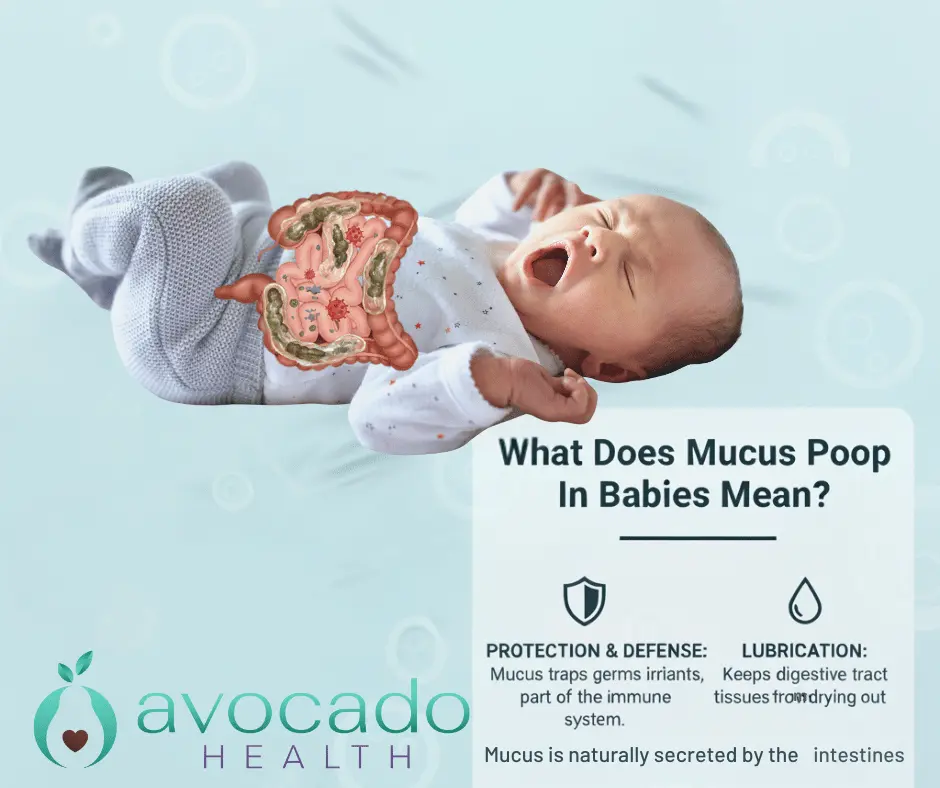
Mucus is a gel-like substance naturally secreted by the lining of the intestines, serving to protect and lubricate the digestive tract. It also acts as part of the body’s immune defense, creating a barrier against germs and irritants while keeping tissues from drying out.
In the baby’s digestive system, mucus helps food move smoothly along the intestines and shields the stomach lining from damage caused by its own acids.
Mucus in baby stool refers to the presence of slimy streaks or stringy textures, which may look jelly-like, glossy, clear, or have a yellowish, greenish, or brownish tint. In most cases, this is a normal part of digestion, though at times it can signal potential gastrointestinal issues.
What does mucus in baby poop look like?

Mucus baby poo often appears as slimy, stringy, or jelly-like streaks, sometimes described as “snot-like” or having “powerlines” stretching across the diaper. Dr. Hayley explains that mucus can appear in a baby’s poo whether they are breastfed or formula-fed.
Mucus color shifts depending on the cause. Each color tells a different story. Knowing what to look for helps you decide when to wait and when to call your pediatrician.
Clear mucus in baby poop
Clear mucus is the most common type. The gut lining produces it naturally to lubricate the intestines. Look for a shiny coating on the stool or thin, transparent strings running through it. Small amounts without other symptoms are almost always harmless. Breastfed babies show it most often because breast milk moves quickly through the digestive system.
Yellow mucus in baby poop
Yellow mucus appears most often in breastfed babies. Breast milk passes quickly through the gut, producing loose stools with visible yellow-tinged mucus. Lactose overload can also cause it. When a baby gets too much lactose-rich milk too fast, the gut cannot digest it fully. Stools turn frothy, greenish-yellow, and mucousy as a result. Letting your baby fully empty one breast before switching usually resolves the problem within a few days.
Green mucus in baby poop
Green mucus signals stool moving faster than normal through the intestines. Bile does not break down fully during rapid transit. Both the stool and mucus take on a green color. Viral gut infections, dietary sensitivities, and lactose overload all trigger it. Green mucus paired with diarrhea and fever needs medical attention. Call your pediatrician if loose green mucus stools last more than 24 hours or your baby seems unwell.
White mucus in baby poop
White streaks or chunks alongside mucus often appear in breastfed babies as undigested milk curds. Most cases resolve without treatment as the gut matures. Recurring white mucus combined with irritability, vomiting, or poor weight gain may point to cow’s milk protein allergy (CMPA).
CMPA triggers an immune response in the gut. The resulting inflammation causes excess mucus to pass in the stool. 1 Formula-fed babies can also develop white mucus stools when reacting to formula proteins. Speak with your pediatrician before changing any feeding routine.
Jelly-like mucus in the stool of your child
Jelly-like mucus sits in the diaper as thick gel-like blobs or patches. Parents often compare it to raw egg white or clear jelly beside or on top of the stool. Small amounts without other symptoms fall within the normal range, especially during teething or after a mild stomach bug.
Large amounts of jelly-like mucus combined with blood or signs of pain require immediate medical attention. Jelly-like mucus with blood in a baby between 3 months and 5 years can signal intussusception, a serious condition where one part of the bowel folds into another, blocking normal stool flow.2
Is Mucus in Newborn Poop Normal?
Small amounts of mucus in newborn poop can be normal, especially in the first few days (meconium). It’s also normal if the baby is drooling a lot.
How much mucus in baby poop is normal
A small, occasional amount of mucus in a baby’s poop is normal, but large amounts or persistent slimy stools can signal an issue.
How Do I Know If My Baby Has Mucus In Poop?

To identify mucus in your baby’s stool, carefully observe the diaper contents during changes. Look for:
- Slimy or gelatinous material coating the stool or mixed within it
- In breastfed infants, mucus may blend with loose, watery poop, making it appear more mucousy
- In formula-fed infants, mucus might be less frequent but can occur, especially with feeding changes or digestive sensitivities
If you notice green poop with mucus, it can indicate:
- Stool moving quickly through the baby’s intestines
- Effects of certain foods or iron supplements
While a little mucus is generally normal and part of healthy bowel movements, contact your infant’s pediatrician if you observe excessive mucus.

What Causes Mucus Poop In Babies & Toddlers?
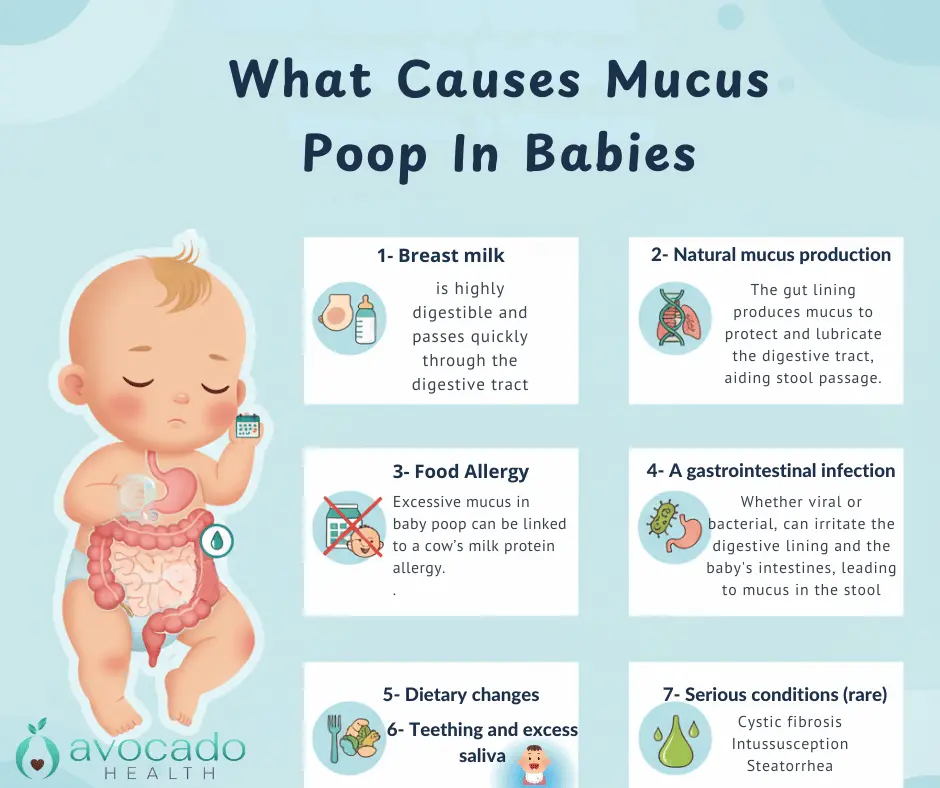
An immature digestive system most often causes baby mucus poop, swallowed saliva, or mild viral infections that temporarily increase mucus production in the gut.3Less commonly, it can signal a food allergy such as cow’s milk protein allergy, gastroenteritis, or allergic proctocolitis.
Natural mucus production: The gut lining produces mucus to protect and lubricate the digestive tract, aiding stool passage.
Breastfed babies: Breast milk is highly digestible and passes quickly through the digestive tract, resulting in softer, mucus-containing stools.
Food allergy: Sometimes, excessive mucus in baby poop can be linked to a cow’s milk protein allergy(CMPA). This happens when a baby’s body reacts to proteins in cow’s milk, leading to inflammation in the gut and causing mucus to build up in their stool.4
It’s also more common in formula-fed infants (about 60% of cases), but it can happen in breastfed babies too (around 40%) if proteins from cow’s milk in mom’s diet pass through her breastmilk.5
- A gastrointestinal infection: A gastrointestinal infection, whether viral or bacterial, can irritate the digestive lining and the baby’s intestines, leading to mucus in the stool along with diarrhea, fever, and fussiness.
- Teething and excess saliva: During teething, babies swallow large amounts of saliva that the immature digestive system cannot fully absorb, which can appear as slimy mucus in stool.
- Dietary changes: Introducing solid foods, new foods, or sensitivity to certain foods in the breastfeeding mother’s diet can affect the baby’s intestines and result in mucus in the stool.
- Lactose Intolerance: While very rare in infants, stools would appear watery, frothy, and sometimes acidic, potentially causing a diaper rash.
Serious conditions (rare):
Cystic fibrosis (CF) is a serious, inherited condition caused by a change in a protein that affects the body’s cells, tissues, and glands that make mucus and sweat. 6
Instead of being thin and slippery, the mucus becomes thick, sticky, and often greasy and foul-smelling.
Intussusception happens when one part of the intestine slides into another, which blocks the bowel and causes irritation. 7
Consequently, the baby may only be able to pass mucus that has been released below the area of blockage. Intussusception may require surgical intervention and needs emergent medical attention.
- Usually causes cycles of severe pain and fussiness followed by periods of calmness.
- Infants often vomit, have “currant jelly stools”, and may appear lethargic.
- Occurs most commonly in 5 to 10-month-old infants during the winter months.
- Malabsorption happens when a baby’s body has trouble absorbing nutrients, especially fats. Some of that fat can then pass out in their stool.
This condition, called steatorrhea, makes stools look greasy and gives them a strong odor, and their shiny, oily appearance can sometimes be mistaken for mucus.
- Infants with malabsorption have persistent diarrhea, abdominal bloating, and poor weight gain.
Monitoring these factors helps ensure your baby’s health and timely care.
What causes mucus in toddler stool?
A small amount of mucus in a toddler’s poop is often normal because the intestines naturally make mucus to help stool pass smoothly
Common Causes:
- Swallowed mucus: When toddlers have a cold or a runny nose, they often swallow their nasal mucus instead of blowing it out, which can pass right through the digestive tract.
- Intestinal irritation or infection: A mild stomach bug or viral infection can cause the gut to produce extra slime.
- Constipation: If stool takes too long to move through the colon, the body adds extra mucus to help lubricate it.
- Food sensitivities: A new food, dairy intolerance, or other mild reaction can irritate the lining of the intestines
Does Reflux Cause Mucus Poop In Babies?
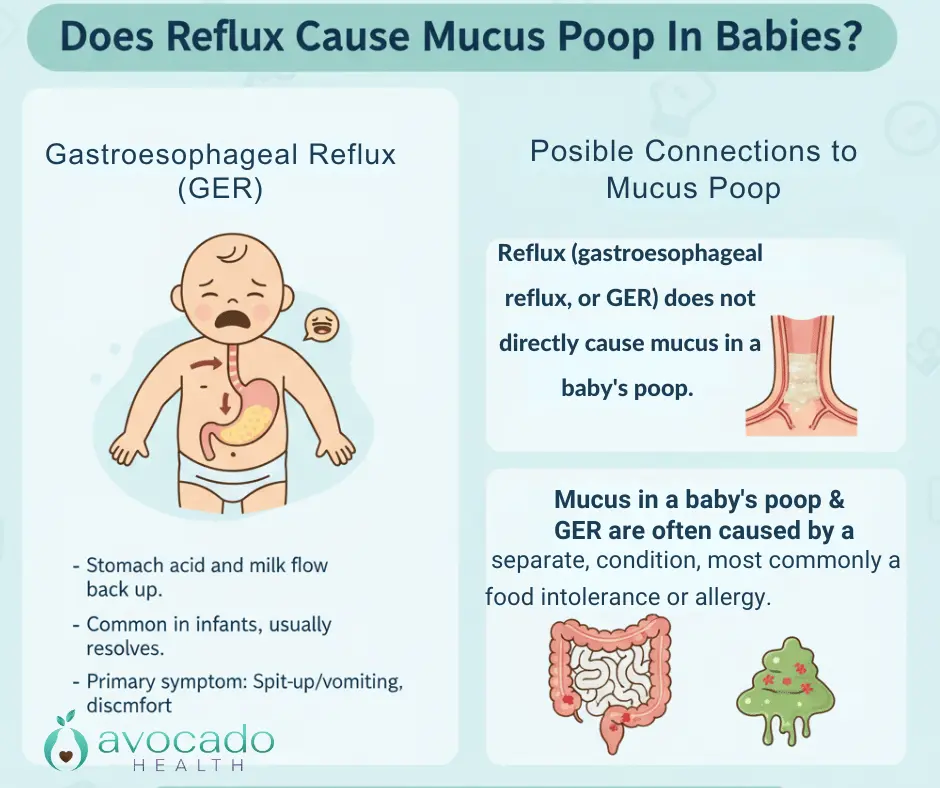
Reflux (gastroesophageal reflux, or GER) does not directly cause mucus in a baby’s poop. Instead, both symptoms are often caused by a separate, underlying condition, most commonly a food intolerance or allergy.
Here is an explanation of why an infant with reflux might also have mucus in their stool:
A food intolerance is the most likely cause
- How it works: A food intolerance, such as to cow’s milk protein, triggers an inflammatory response in the baby’s gastrointestinal tract.
- Resulting symptoms: This inflammation irritates the intestinal lining, causing the body to produce extra mucus to protect it. This mucus then passes in the baby’s stool, appearing as slimy or jelly-like streaks. This same inflammation can also trigger or worsen the symptoms of reflux. 8
Can Drooling Cause Mucus In Baby Poop
Drooling can cause mucus in a baby’s poop. When babies drool (often while teething), they swallow large amounts of excess saliva. This saliva can pass through the digestive system undigested, appearing as shiny strings, streaks, or a slimy texture in their stool.9
How Long Does Mucus In Baby Poop Last?
How long mucus in baby poop lasts depends entirely on what is causing it:
- 1 to 2 days: If the mucus is caused by a brief spell of heavy drooling (like during teething), a minor dietary variation, or a brief stomach bug, it typically clears up within 24 to 48 hours.
- 1 to 2 weeks: If the mucus is paired with a viral stomach illness or diarrhea, it can persist for 5 to 14 days while the gut lining heals.10
- Weeks to months: If the mucus stems from an ongoing issue like a food allergy or sensitivity (such as a cow’s milk protein allergy), it will continue until the trigger food is eliminated from the baby’s or the breastfeeding mother’s diet.
How Do You Treat Mucus In Baby Stool?
In most cases, mucus in a baby’s stool does not require specific treatment, especially when it occurs in small amounts and is not accompanied by other concerning symptoms.
Consult your baby’s doctor if:
- If mucus is excessive or lasts a long time,
- If your child has poor weight gain or worsening symptoms
- If your baby has blood in the stool, fever, or persistent irritability
What are potential treatment options:
- Gastrointestinal infections might need symptom management, fluids, and sometimes antibiotics.
- Food allergies (like CMPA) may require dietary changes, switching formula, or adjusting the breastfeeding mother’s diet.
- Swallowed mucus from a cold may respond to a nasal aspirator and saline drops to help clear mucus from your baby’s nose.
- Rare serious conditions like intussusception require emergency surgery.
- Most children with chronic conditions, such as cystic fibrosis, can lead normal lives with proper care and management.
- Medication or Supplements: If considering probiotics, discuss them with your pediatrician, as some can temporarily increase mucus production.
What You Can Do at Home
- Monitor and Record: Watch your baby’s diapers closely, note the amount and frequency of mucus, and take pictures if possible.
- Offer Fluids: Continue to offer breast milk or formula as usual to ensure adequate hydration.
- Keep Hygiene in Mind: Regularly wash items your baby comes into contact with to reduce exposure to bacteria.
- Consult Before Making Formula or Other Dietary Changes: Always talk to your baby’s doctor before making any significant dietary changes for yourself (if breastfeeding) or your baby.
- Take a Sample: If your doctor requests it, be prepared to bring a soiled diaper to your appointment for testing.
Does Mucus In Baby Poop Mean Milk Allergy?
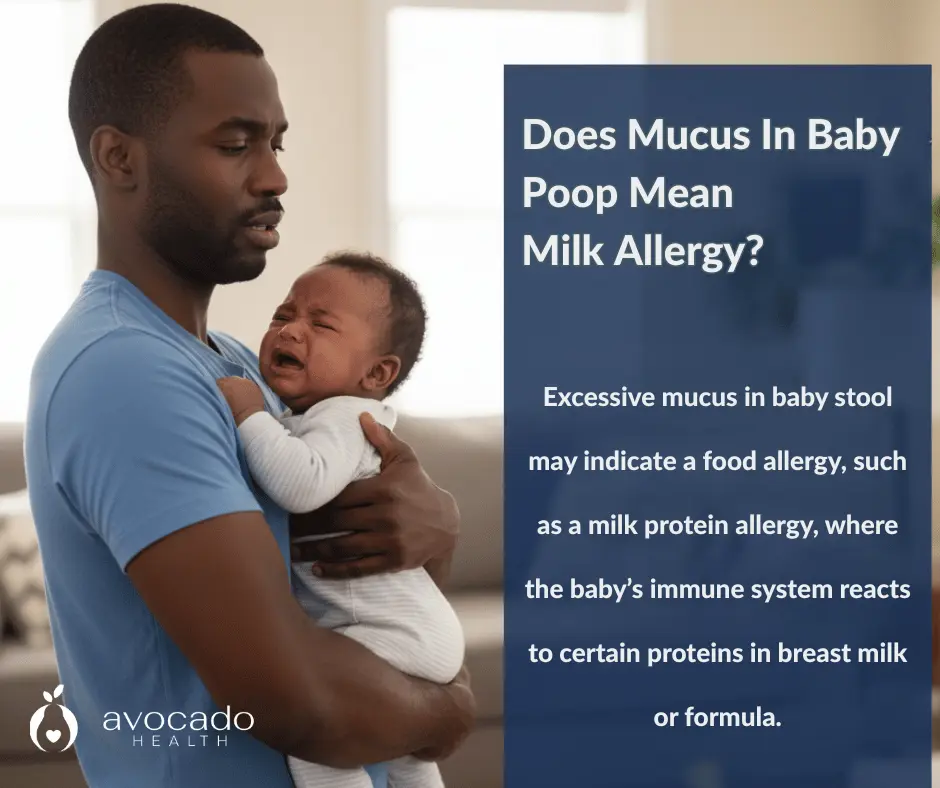
Excessive mucus in baby stool may indicate a food allergy, such as a milk protein allergy, where the baby’s immune system reacts to certain proteins in breast milk or formula. This reaction can cause inflammation in the intestines, leading to increased mucus production.
Milk Protein Allergy Overview:
- One of the more common food allergies in infants.
- Occurs when the immune system mistakenly attacks milk proteins.
- Causes inflammation in the digestive tract and increased mucus.
Symptoms to Watch For:
- Increased mucus in baby stool.
- Irritability.
- Vomiting.
- Blood in the stool.
- Both formula fed infants and a breastfed baby can show these symptoms.
Diagnosis and Management:
- Consult a pediatrician for proper evaluation.
- Possible elimination diet for breastfeeding mothers.
- Hypoallergenic formula for formula fed infants.
- Managing the allergy often reduces mucus and improves digestive health.
Differentiating Normal vs. Concerning Mucus:
- Normal mucus is minimal and without other symptoms.
- Persistent or excessive mucus with poor weight gain, blood, or feeding changes requires medical advice.
Why Does My Baby Mucus Poop Have White Chunks?
Baby poop mucus with white chunks can be a concerning observation for parents.
- In breastfed babies
The white chunks in the mucus may looklike undigested food particles, curds of milk, or sometimes small amounts of cottage cheese-like material in the stool. This is often due to the high digestibility of breast milk, which can sometimes lead to curd-like stools containing white lumps.11
- In formula-fed babies
White chunks in mucus may also occur but could indicate a sensitivity or mild intolerance to certain ingredients in the formula, such as milk protein.
Additionally, white chunks mixed with mucus might be a sign of an immature digestive system that is still learning to break down food efficiently.
When Should I Worry About Mucus in Baby Poop?
Excessive mucus in a baby’s stool might indicate a food allergy, such as milk protein allergy, or an infection in the gastrointestinal tract. Key signs to watch for include:
- Diarrhea
- Stool that contains blood, is black, or is pale and chalky.
- Signs of dehydration.
- A strong-smelling stool that is worse than usual.
- Other concerning symptoms such as fever, irritability, or significant changes in stool color or consistency.
If these symptoms appear, seek medical attention promptly.
Still unsure if your baby’s mucus poop means something serious? Don’t wait and worry. With Avocado Health text-based best parent coaching, you get quick, trusted expert guidance anytime, right from your phone.
Conclusion
While mucus in infant poop is usually normal , persistent or excessive mucus with warning signs warrants evaluation to rule out CMPA or other health issues. Early detection and management are key to your baby’s comfort and health.
Frequently Asked Questions
-
What Foods Should Be Consumed by an 8-Month Formula-Fed Baby to Treat Mucus in Stool?
Parents should focus on ensuring proper nutrition and identifying the underlying cause of mucus in stool rather than“treating” it with specific foods. Restrictive diets, like the outdated BRAT diet, are no longer recommended. The most important first step is consulting a pediatrician.
-
Can A Cold Cause Mucus In Baby Stool?
Yes, a cold can sometimes cause mucus to appear in a baby’s stool. Here’s why and what to watch for:
Increased mucus production: When a baby has a cold, their body produces more mucus to clear viruses and bacteria from the respiratory tract.
Swallowed mucus: Some of this mucus is swallowed and passes through the digestive system, appearing as slimy or jelly-like streaks in the stool.
Digestive tract inflammation: Mild inflammation during a cold can also increase mucus production temporarily.
Other symptoms: You may notice runny nose, coughing, sneezing, and fussiness.
In most cases, mucus in baby poop during a cold is temporary and not a cause for concern. Monitor your baby and maintain good hygiene to support recovery. -
Do breastfed infants have more Mucus Poop?
Breastfed babies: Breast milk is highly digestible and passes quickly through the digestive tract, resulting in softer, mucus-containing stools.
Lactose Overload (Foremilk/Hindmilk Imbalance): In breastfed babies, an imbalance where the baby receives too much foremilk (the watery milk at the beginning of a feeding) and not enough hindmilk (the fattier milk at the end) can cause frothy, green, and mucousy stools.
The treatment is to ensure the baby fully empties one breast before switching to the other.
Sources:
- Cow milk protein allergy mimics in infancy
- High risk and low incidence diseases: Pediatric intussusception
- Advances in Swallowing Neurophysiology Across Pediatric Development.
- Allergic proctocolitis: Evaluation and management.
- Cow’s milk protein allergy: A comprehensive review of epidemiology, pathogenesis, clinical manifestations, diagnostics, and management strategies.
- Cystic Fibrosis
- Intussusception
- Cow’s Milk Allergy or Gastroesophageal Reflux Disease—Can We Solve the Dilemma in Infants?
- Teething disturbances; prevalence of objective manifestations in children under age 4 months to 36 months
- Allergic enteritis in children
- A cross-sectional study on stool- and gastrointestinal-related outcomes of Mexican infants consuming different formulae


