


Why do babies drool so much? Babies drool so much because their salivary glands produce more saliva around 2 to 4 months, while their swallowing reflex is still developing. Extra saliva builds up faster than babies can swallow it. Drooling is a normal sign of healthy development, and it eases gum discomfort during teething, prepares the mouth for solid foods, and helps protect against infections. Most drooling peaks between 6 and 9 months and is harmless. However, persistent drooling beyond age 4 may need medical attention. Discover how to manage baby drooling, when it’s perfectly normal, and when to call your pediatrician.
Table of Contents
- Normal Drooling – Excessive drooling from 4-6 months is a healthy sign of development.
- Functions of Drool – It aids digestion, soothes gums, and protects oral health.
- Drool Rash – Too much wetness can cause skin irritation around the mouth.
What Is Drooling in Babies?
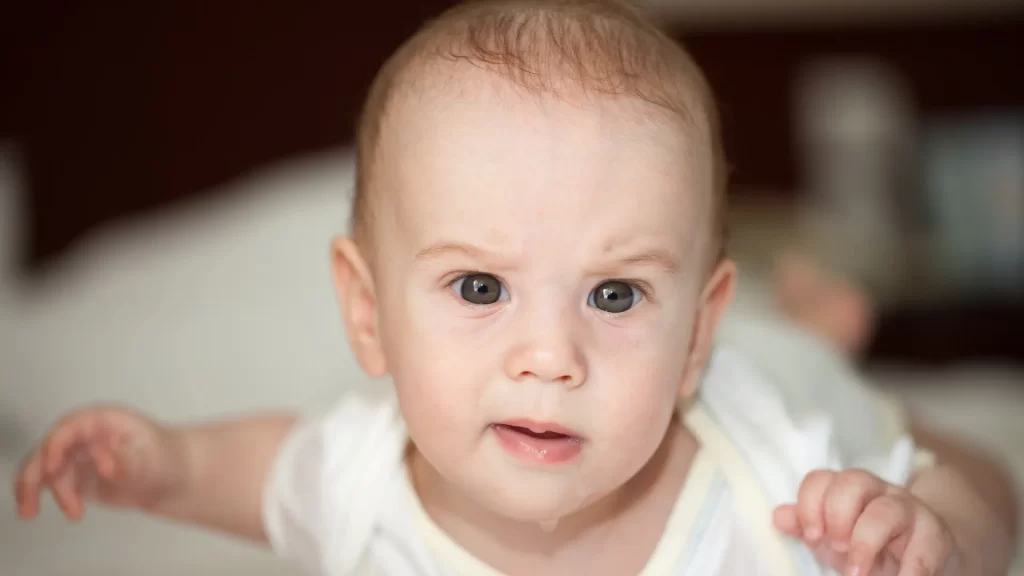
Drooling refers to the uncontrolled flow of saliva outside the mouth. In newborns and young infants, excessive drooling is typical and usually nothing to worry about. Since babies haven’t yet developed full control of their oral muscles, they are unable to swallow all of the saliva their tiny salivary glands produce. This is why drooling is especially common in the first two years of life.1
In an older child, drooling may be a symptom of an underlying condition and should be evaluated by a healthcare provider.
What Does It Mean When Your Baby Is Blowing Bubbles?
Seeing your baby blow bubbles with saliva may look adorable, but it is also an important developmental milestone. Pediatricians explain that when infants blow bubbles, they are strengthening their mouth muscles in preparation for future skills like talking, drinking from a cup, and eating solid foods. It also signals the social development of your baby as you laugh and smile with them; they may blow more bubbles.
The act of blowing bubbles also improves their oral coordination and helps develop the swallowing muscles, which are essential for speech development.
Baby’s drooling is a normal part of development and plays a key role in maintaining oral health.
What Is the Normal Age for Drooling?

Drooling is common in babies, particularly between three to six months old, but it can persist up to 24 months or even longer in some children. Drooling usually starts around 2 to 3 months of age and peaks between 6 to 18 months. This is because infants take time to develop the muscle control needed to manage their saliva effectively.
As Dr. Hayley explains, “Baby’s salivary glands produce saliva at their full capacity by around 6 months; however, babies have not learned to manage this saliva yet.
Drooling is especially noticeable during teething periods, as increased saliva production helps soothe tender gums. During these times, increased drooling is a typical response to the discomfort and changes associated with teething.2
If drooling persists beyond the typical age range, it may warrant further evaluation to rule out underlying health issues.
Key Reasons: Why Do Babies Drool So Much?

Many parents notice that their babies drool a lot and often wonder if this is normal or a cause for concern.
Researchers believe that excessive drooling in babies is closely linked to their developing digestive system.
Since babies haven’t yet developed full control of their oral muscles, they are unable to swallow all of the saliva their tiny salivary glands produce. Not all saliva is swallowed, so it can accumulate and lead to excess drooling. This is why drooling is especially common in the first two years of life.
Dr. Hayley explains, “Teeth actually act as a dam to keep saliva in the mouth. So young babies without teeth have no physical barrier keeping their saliva in.
Babies also spend a lot of time with their mouths open, using them to explore the environment. This makes it easy for drool to run out of their mouth.”
Saliva production is an essential part of digestion, helping break down food and protect the stomach lining. Here are some key reasons why babies drool excessively:3
Developing Oral Muscles
Because newborns have underdeveloped oral muscles and coordination, they find it challenging to manage the saliva that builds up in their mouths.
Instead of swallowing it effectively, the saliva collects and eventually spills out. Full control of swallowing muscles typically develops between 18 and 24 months of age. However, some children may continue to drool a little longer.
Teething
When babies start teething, their bodies produce more saliva to help soothe inflamed gums, and they may also chew on their hands for comfort.
This increase in saliva often leads to the baby’s drooling, which is a common and normal part of development during teething.
This natural response helps lubricate and protect the growing teeth while also ensuring that saliva bathes the gums, washing away bacteria. Teething may also be accompanied by other symptoms, so it’s important to monitor your baby for any additional signs.
In some cases, certain medications can also increase saliva production and contribute to drooling.
Sensory Exploration
Babies explore the world with their mouths, putting objects in their mouths, such as hands, toys, and pacifiers. Saliva production increases. This habit encourages oral development and helps them understand different textures.
Digestive Development
Saliva contains enzymes that aid in digestion. The increase in drool is a sign that the digestive system is developing and preparing for solid foods.
Learning to swallow saliva is an important part of this developmental process, as it helps children manage oral secretions and supports feeding skills.
Saliva also helps neutralize stomach acid, protecting the esophagus and aiding in digestion.
Is Drooling a Developmental Milestone?
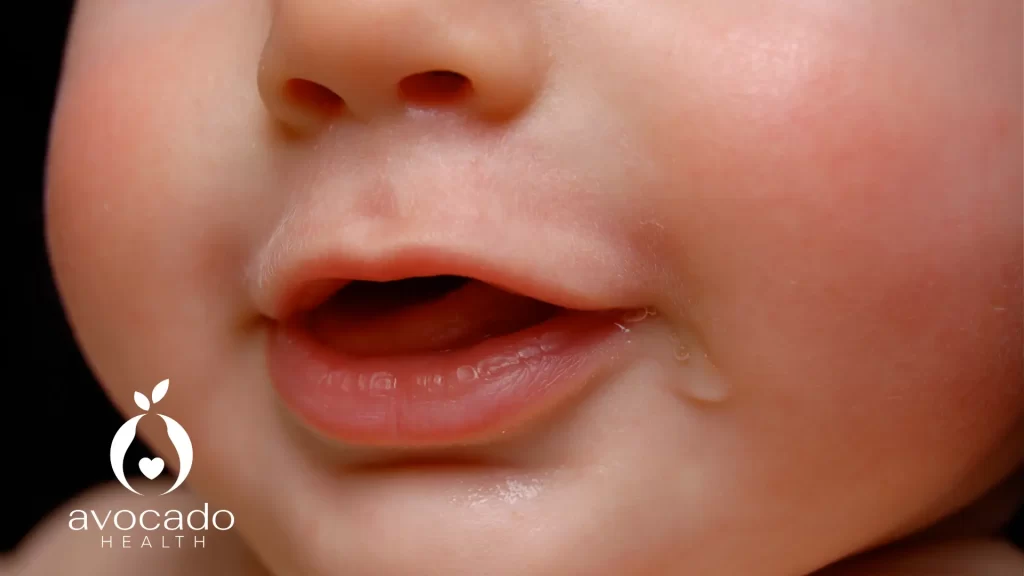
Yes, drooling is an important developmental milestone in infants. While it may seem like a minor phase, drooling plays a vital role in your baby’s growth. Here’s how:
- It supports oral muscle development, which is essential for future speech and feeding skills.
- It signals teething and the body’s preparation for solid foods.
- Saliva production helps clean and protect emerging teeth.
Is Drooling Good or Bad for Babies?
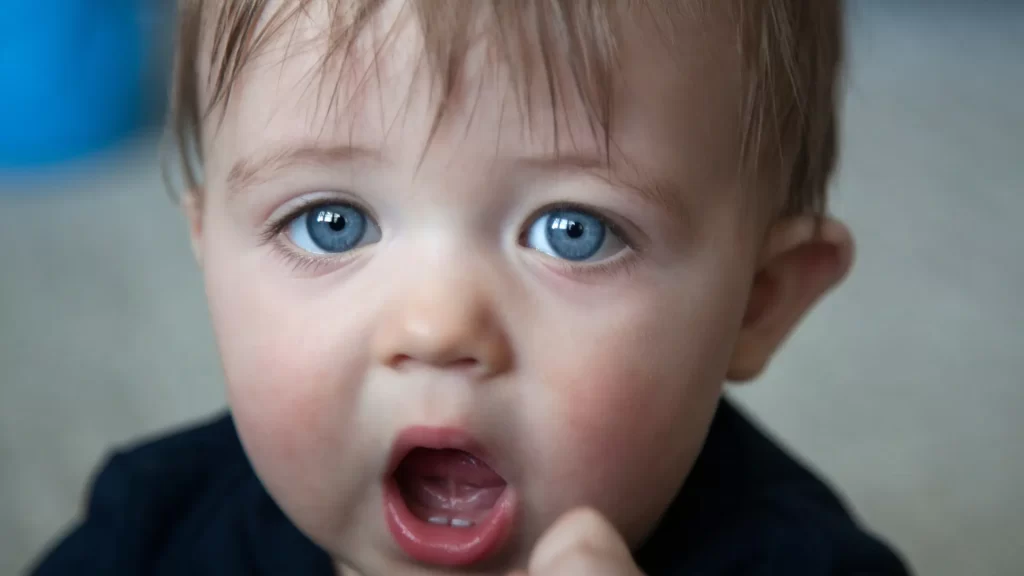
Drooling is generally beneficial for babies. Although it may be messy, it serves several important functions, including:
- Softening food: Saliva helps break down food once solids are introduced.
- Aiding swallowing: It makes it easier for babies to swallow.
- Protecting oral health: Saliva helps wash away bacteria and food debris, playing a key role in maintaining good oral hygiene for babies.4
- Preventing dehydration: It keeps the mouth moist and comfortable.
- Supporting immune function: Saliva contains disease-fighting proteins that protect against infections.5
In rare cases where drooling is excessive, especially due to underlying medical conditions, interventions may be needed to reduce saliva production.
What Is Drool Rash in Babies?
While drooling itself is harmless, prolonged exposure to saliva on the skin can sometimes lead to a condition known as drool rash. This rash occurs when excessive saliva produced during sensory exploration irritates the skin around a baby’s mouth, chin, cheeks, or neck.
When Do Babies Get Drool Rash?
Drool rash may appear when a baby is teething or due to frequent pacifier use, thumb sucking, or constantly wet clothing due to saliva.
What Does a Baby Drool Rash Look Like?

Drool rash often presents as red, irritated, or chapped skin. Some babies may develop small red bumps around their mouths, chins, and necks. Although drool rash is not contagious, it can be uncomfortable for your little one.
How to Prevent and Treat Drool Rash
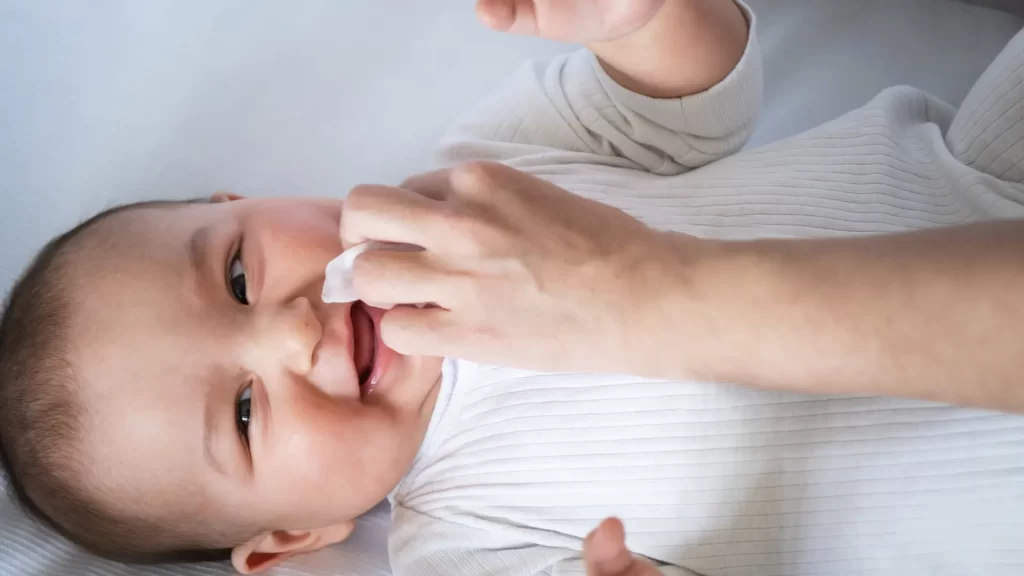
To reduce drooling and minimize the risk of drool rash, try these simple tips:
Keep the baby’s skin dry
Frequently wipe away or gently pat drool with a soft cloth.
Use bibs
A drool bib can help absorb excess saliva or drool.
Apply barrier creams
Use baby-safe moisturizers or ointments to create a protective barrier.
Limit pacifier use
Reduce the use of pacifiers that keep the mouth area wet.
Wash with mild soap
Gently cleanse the affected area with lukewarm water and mild soap.
Provide teething toys
Giving your baby teething rings can help soothe their gums while managing drool.
Practice daily care to manage drooling
Consistent attention to these tips helps manage drooling and keeps your baby comfortable and rash-free.
Worried about your baby’s excessive drooling?
Text Avocado Health 24/7 for real-time expert parent coaching you can trust, so you feel confident at every stage of your child’s growth.
Conclusion
So, why do babies drool so much? The answer lies in their developing bodies and the activity of their salivary glands. From strengthening oral muscles to aiding digestion and protecting new teeth, drooling is a completely normal and beneficial part of infancy.
Frequently Asked Questions
When Should You Worry About Excessive Drooling in Babies?
Although drooling is normal in babies, in some cases, excessive drooling may point to something more serious, such as:
Persistent drooling after age 4 is generally not considered normal, as by this stage, most children have gained enough muscle control to manage saliva.
Trouble swallowing or frequent choking/coughing could suggest issues with oral-motor development. Additionally, excessive drooling can sometimes indicate oral irritation from infections.
Accompanying developmental delays, such as problems with muscle control, coordination, or speech, may signal an underlying condition.
Signs of infection or illness, such as excessive drooling accompanied by fever, irritability, or difficulty breathing, should be checked immediately.
Neurological conditions like cerebral palsy can lead to excessive drooling due to muscle control issues.
Why Is My 1 Year Old Suddenly Drooling So Much?
Excessive drooling in a 1-year-old is often a normal part of teething, oral exploration, and development.
However, it may also indicate issues such as ear infections, allergies, gastroesophageal reflux disease (GERD), neurological disorders, or structural mouth problems.
If drooling seems excessive, it’s important to consult a healthcare professional to rule out serious causes and consider treatments like speech therapy to enhance swallowing and oral motor function.
Does GERD cause drooling in babies?
Gastroesophageal Reflux (GERD)may lead to excessive drooling because babies can have difficulty swallowing effectively.