
Teens and low self-esteem is a common issue that significantly impacts their mental health and self worth. Understanding the causes and effects of low self esteem in teens is essential to provide the right emotional support and promote healthy self esteem. Recognizing signs like negative self talk, self doubt, and low confidence helps parents and family members support their child in overcoming challenges and building a positive self image.
Table of Contents
🔹 49.5% of U.S. adolescents aged 13–18 experience a mental disorder at some point — nearly half of all teens. 🔹 Teens are 30% more likely to have healthy self-esteem when they get regular emotional support from their parents.
What Is Self-Esteem and Why Is It So Important?
- Self esteem refers to a person’s overall opinion of themselves, including their self confidence, abilities, and sense of worth.
- Healthy self esteem is essential for young people to develop a positive sense of self and lead fulfilling lives.
- Researchers often use standardized tools to measure self esteem in children and adolescents. These measures typically include questions about self worth, physical appearance, and social relationships.
- High self esteem is linked to better mental health, stronger relationships, and improved academic performance, while low self esteem can cause difficulties in these areas.
- An adolescent’s self esteem is shaped by their relationships with family members, peers, and other kids, as well as their experiences in school and extracurricular activities.
- Promoting healthy self esteem in young people is critical for their emotional and social development.
Teens and Low Self-Esteem: What Causes It?
Teens and Low self esteem is never just one simple trigger. What happens is that it’s usually a messy blend of things they’ve personally faced and all the outside influences swirling around them. That mix seriously molds how they feel about themselves. Here’s what often pops up:
Negative Comments and Bullying
Negative remarks, criticism, or bullying from family members, peers, or teachers can contribute to low self esteem.
Body weight and body image

Body weight and body image issues can also affect a teenager’s self esteem, particularly in middle school.
Studies have shown that approximately 30% of obese adolescents report low self esteem, highlighting the strong link between body weight and self worth. 1

Teens who are overweight or obese are about twice as likely to experience negative self perception compared to their normal-weight peers, underscoring the importance of addressing body image concerns in promoting healthy self esteem.
Mental health issues
Depression, anxiety, and mood disorders can contribute to low self esteem. Socioeconomic status and disordered eating can also impact a adolescent’s self esteem and overall well-being.
Persistent Negative Thought Patterns and Self-Doubt
These ongoing negative feelings create a cycle that undermines their sense of worth and ability to believe in themselves.
Parental Control and Responsiveness
Overly strict or neglectful parenting can lead to feelings of rejection or confusion, contributing to low self esteem.
Social Media and Peer Pressure
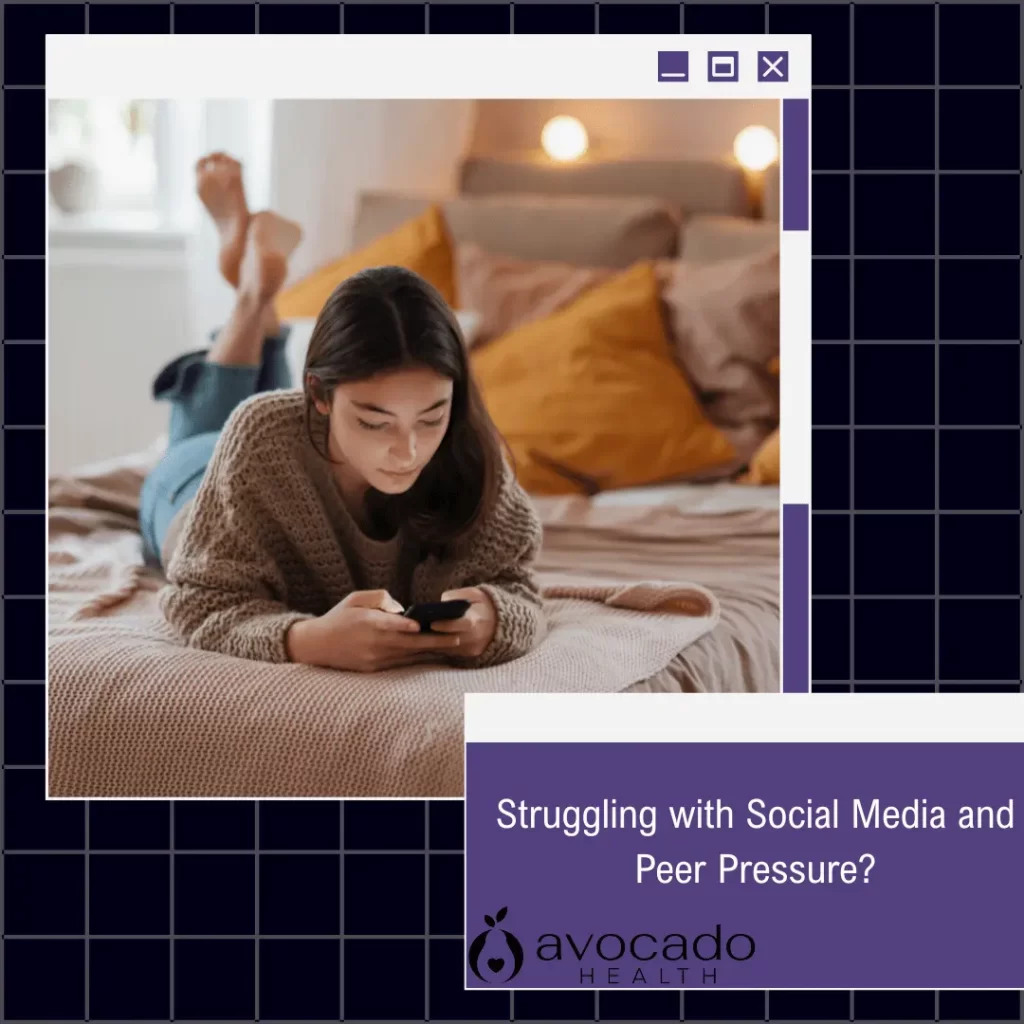
A lot of teens report feeling pressure from social media and peers. Social media can particularly affect low self esteem in teen girls by exposing them to unrealistic beauty standards and negative comparisons.
Peer pressure is the influence that friends and classmates can have on a young person’s behavior, attitudes, and choices.
Peer pressure can encourage teens to conform to certain expectations, sometimes leading them to make decisions they might not otherwise make, which can impact their self-esteem either positively or negatively.
Signs of Low Self Esteem
Spotting low self-esteem in a teenager can be crucial. 2 It often shows up in their daily behaviors and feelings. Here’s what might signal a teen is struggling beneath the surface:
- Persistent Negative Self-Talk: They frequently criticize themselves, using harsh labels and devaluing their own achievements.
- Difficulty Accepting Praise: They might brush off compliments, minimize their accomplishments, or seem uncomfortable receiving positive feedback.
- Overwhelming Sensitivity to Opinions: They become overly concerned about what others think, overreacting to criticism or rejection.
- Internal Struggles: Feelings of shame, pervasive worry, or persistent sadness may become apparent.
- Social Withdrawal: A teen may begin to avoid social events. They might isolate themselves from friends and family. They may also find it hard to make new connections.
- Loss of Motivation & Interest: They lose enthusiasm for activities they once enjoyed, showing a general lack of drive.
- Academic Decline: Their grades may drop, or they might show clear disinterest in schoolwork.
- Hygiene & Environment Neglect: They may neglect personal hygiene or allow their living space to become unusually messy.
- Mood Fluctuations: Observe significant shifts in their mood, including episodes of sadness, crying, or angry outbursts.
- Fear of Failure & Avoidance: They might refuse to try new experiences or challenges altogether
- People-Pleasing Tendencies: They go to extreme lengths to gain approval from others, often fearing disapproval or rejection.
- Blaming Others: often blame external factors instead of taking responsibility for their actions.
- Controlling or Overly Apologetic: Some teens may act bossy. They do this to hide their feelings of not being good enough. Others may say sorry too much, even when they did nothing wrong.
- Seeking Attention: They may engage in dramatic behaviors or boasting to gain notice.
- Acting Younger: Sometimes, they might regress, acting silly or almost childlike.
More Serious Signs (Red Flags):
- Body Image Struggles: They display an excessive focus on perceived physical flaws or engage in negative self-talk about their appearance.
- Risky Behaviors: Taking part in harmful or dangerous actions often helps people cope with low self-esteem. This can include using drugs or alcohol.
- Self-Harm: Any indication of self-harming behaviors (e.g., cutting, burning) as a way to cope with emotions needs immediate professional attention.
How to help a teenager with low self-esteem
Seeing your teen battle low self-esteem is heartbreaking. But you hold immense power to guide them toward lasting self-worth and a deep sense of belonging, and here is how to fix your teenager low self-esteem:
Nurture a Compassionate & Growth-Focused Mindset
Help your teenager understand that their value isn’t about being perfect or endlessly comparing themselves to others. It’s about how they treat themselves and how they view challenges.
- Embrace Self-Kindness: Encourage your teen to be gentle with themselves. When things go wrong or they don’t like something about themselves, teach them to respond with understanding rather than harsh criticism.
- Make Room for Mess-Ups: Give them permission to fail and learn from their mistakes. When setbacks occur, discuss “what went wrong?” and “what can we learn?” instead of criticizing.
- Praise the Hustle, Not Just the Win: Celebrate their hard work and perseverance more than just the trophies or perfect scores. This shift in focus reinforces the idea that their actual value stems from effort and growth, rather than just achievements.
- Stick With It (Together): Encourage them to keep trying new things, even if they’re nervous. Confidence often builds through the process of trying, not before.
- Reassure Them: It’s Normal: Remind your teen that challenges, big emotions, and uncertainties are just part of growing up.
Empower Them Through Strengths & New Experiences
Help your teen discover what makes them unique and capable, building genuine, lasting confidence from the inside out.
- Shine a Light on Their Talents: Help them spot and own their strengths. Whether it’s drawing, cooking, or sports, genuinely acknowledge their gifts and support their passions.
- Get Them Moving: Encourage physical activity. Even simple walks can seriously boost self-worth. School or community programs often work best.
- Turn Struggles into Stepping Stones: When they hit a tricky spot, frame it as a chance to grow. Help them pick up new skills, maybe tying it to something they already enjoy.
- Teach Them How to Speak Up: Guide them to talk confidently and clearly. This includes tone, body language, and everything else. Practice these communication skills safely at home.
- Help Them Set Smart Goals: Collaborate with them to set goals they can realistically achieve. Reaching those goals brings a genuine sense of pride and self-worth.
- Push for Variety: Encourage them to explore diverse activities, such as sports, volunteering, and clubs. If one thing doesn’t go their way, they have other areas that boost their self-worth.
- Give Them the Wheel (a Bit): Allow your teen to make their own decisions, especially on personal style or interests, within fair limits. This is huge for them to become their person.
- Help Them Pick Their Crew: Encourage friends who make them feel great and share positive values.
- Push Them to Help Others: Studies show helping others boosts self-worth. Model this as a family by maybe volunteering together.
Master Connection & Communication
Your daily interactions are paramount in shaping their self-perception and building trust.
- Love Them, No Matter What: Make sure your teen knows your love isn’t tied to grades, trophies, or choices. They’re loved just for being them.
- Watch Your Own Words: How you talk about yourself and others? Your teen’s soaking it in. Be mindful.
- Go Easy on the Criticism: Teens learn from us. So, don’t trash-talk them (or yourself) all the time.
- Just Listen (Really): Fight the urge to lecture. Just hear your teen with empathy, even if you disagree. No assumptions, no quick judgments.
- Ask for Their Ideas: Show them you’re human. Please discuss your challenging areas and seek their advice. This builds a connection and shows you value their thoughts.
- Coach, Don’t Solve: Instead of fixing their problems, help them brainstorm solutions and figure things out for themselves. Be their cheerleader, not your teen’s manager.
- Walk the Talk: They’re watching how you handle tough stuff and how you feel about yourself. Be honest about your journey of confidence.
Parental Role in Promoting Healthy Development
Parents play a critical role in shaping their young person’s self esteem. Research shows that adolescents with supportive parents who provide consistent emotional encouragement and positive reinforcement are 30% more likely to report healthy self esteem levels.
Conversely, teens exposed to parental neglect or harsh criticism have a 25% higher risk of developing low self esteem, which correlates strongly with increased rates of anxiety and depression. 3
Studies also reveal that teens whose parents actively engage in open communication and model confidence demonstrate a 40% greater resilience to peer pressure and negative social comparisons. 4
Early parental intervention focused on reassurance and addressing insecurities can reduce the likelihood of disordered eating behaviors by up to 20% in vulnerable teens.
Avocado Health: Boosting Your Teen’s Self-Esteem
Avocado Health offers parents personalized support to boost teen self-esteem. Our AI insights blend with expert human parent coaching, delivered via real-time text. We guide you to understand your teen’s unique needs, helping them thrive.
Conclusion
In conclusion, low self esteem deeply affects teens’ confidence and well-being. With support from family, friends, and community, teens can build healthy self esteem and resilience. Creating safe spaces for open conversation and access to resources empowers teens to overcome challenges. If you notice signs of low self esteem, seek help early.
Frequently Asked Questions
Can parents cause low self-esteem?
Yes, sometimes. Even if parents are super loving, letting teens do whatever they want without setting clear rules can hurt their self-esteem. When teens don’t learn to control themselves, they might face rejection from others for behaviors their parents always let slide. That feeling of not fitting in or being judged by peers can erode their self-worth.
Is low self-esteem hereditary from parents?
Well, yes and no. Studies show that the amount of self-esteem someone has and its stability can partly be inherited from their genes – meaning it can run in families to some extent. But here’s the crucial part: those genes aren’t the whole story. Self-esteem is actually a pretty complicated thing. It truly gets shaped by a constant mix of those genetic predispositions and everything a person experiences in their life.
Sources:
- Characteristics Associated with Low Self-esteem among U.S. Adolescents https://pmc.ncbi.nlm.nih.gov/articles/PMC2914631/
- Is High Self-Esteem Beneficial? Revisiting a Classic Question https://pmc.ncbi.nlm.nih.gov/articles/PMC9306298/#:~:text=In%20sum%2C%20there%20is%20robust,and%20more%20research%20is%20needed.
- Childhood Emotional Neglect and Adolescent Depression: Assessing the Protective Role of Peer Social Support in a Longitudinal Birth Cohort https://pmc.ncbi.nlm.nih.gov/articles/PMC8381469/#:~:text=At%20least%20one%20in%20five,psychopathology%20in%20adulthood%20(11).
- Relationship Between Parental Communication Patterns and Self-Efficacy in Adolescents with Parental Substance Abuse https://pmc.ncbi.nlm.nih.gov/articles/PMC6956959/#:~:text=In%20this%20regard%2C%20Sepehri%20et,suitable%20behaviors%20in%20different%20environments.