
Lower back problems in pregnancy are often caused by changes in posture, excess weight, and hormonal changes that loosen the pelvic ligaments. Learn how to relieve this discomfort, when it typically resolves, what to avoid (like poor posture and prolonged sitting), and when it’s time to consult your doctor for persistent or severe pain.
Table of Contents
What Are The Possible Causes Of Lower Back Pain During Pregnancy?
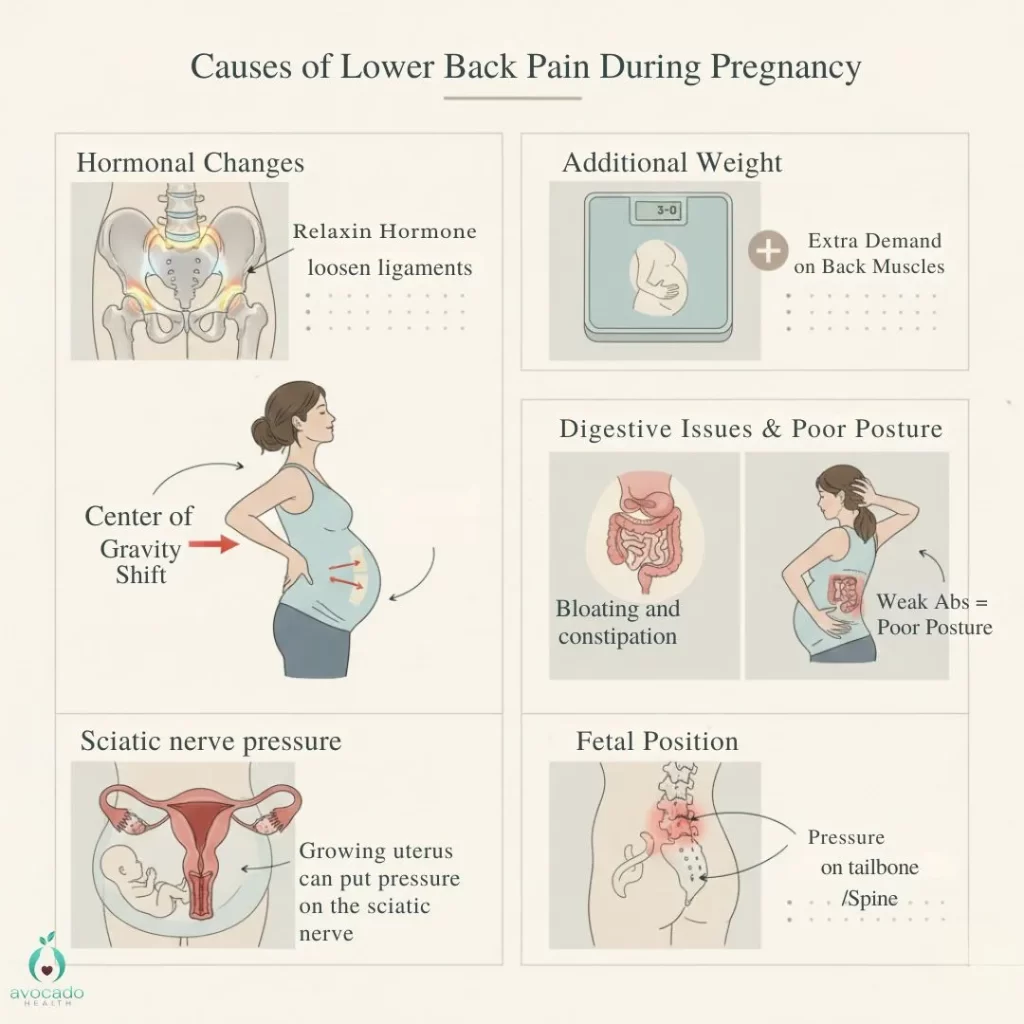
Lower back problems in pregnancy are very common. most pregnant women experience some degree of discomfort, with prevalence rates ranging from 50% to 80%. 1
Common Causes of Lower back problems in pregnancy:
- Hormonal Changes:
Hormones like relaxin soften and loosen ligaments in the pelvis and lower back to prepare for birth, which reduces support for the joints and can cause strain.2
- Center of Gravity Shift:
The growing uterus and baby cause gravity shifts, and as pregnancy progresses, gravity shifts forward, moving your center of gravity forward. This causes changes in posture as you lean back to maintain balance, straining the lower back muscles.
- Additional Weight:
The increasing weight of the pregnancy, baby, and associated fluids leads to weight gain, which puts extra demand on the back muscles to provide support. Gaining weight during pregnancy also affects your body’s center of gravity and supporting muscles, contributing to lower back problems.
- Digestive issues:
Bloating and constipation, which are common in early pregnancy, can lead to lower back pain due to abdominal discomfort and changes in how you hold your body.
- Poor Posture/Position:
Weakened abdominal muscles can lead to poor posture. Aggravating factors such as prolonged standing or bending over can also trigger or escalate back pain.
- Sciatic nerve pressure:
The growing uterus can put pressure on the sciatic nerve, causing pain that runs from the back down the legs.
- Fetal Position:
In some cases, the baby’s position in the uterus can put direct pressure on the tailbone or lower back, leading to increased pain.

Pregnancy related lower back pain is multifactorial, involving mechanical, hormonal, and psychosocial factors. Psychosocial factors can also influence pain perception and how much the pain interferes with daily life.
What Kind Of Back Pain Is Normal During Pregnancy?
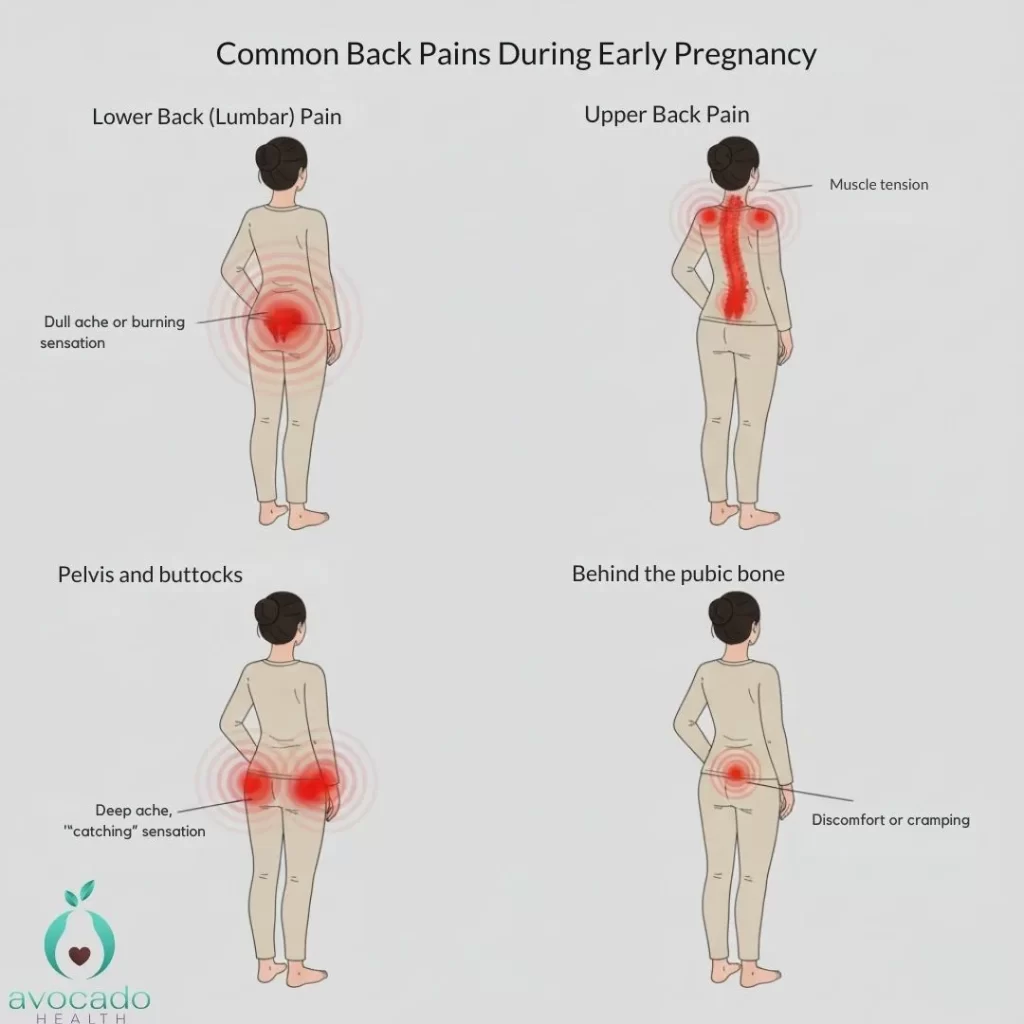
Early pregnancy back pain can be felt in:
- Lower back:
A common symptom is lumbar pain, felt in the lower back and sometimes radiating to the legs as a dull ache or burning sensation that can extend to the buttocks or thighs.
- Upper back:
Less common, but it can occur due to postural changes, muscle tension, or hormonal shifts, and may also affect the upper body.
- Pelvis and buttocks:
Pain may be felt as deep pain or deep pain felt in the buttocks area, often below the waistline and sometimes involving the sides of the pelvis or thighs. This deep pain can feel like a “catching” sensation that worsens with walking, getting out of bed, or other movements.
- Behind the pubic bone:
Some women feel discomfort or cramping in this area, which can be related to implantation.
If you experienced pain prior to pregnancy, you may notice differences or similarities in the severity or persistence of back pain during pregnancy.
What To Do For Lower Back Problems In Pregnancy?
Most back pain can be managed effectively through non-medical interventions:
- Maintain a correct posture
Maintain good posture by standing tall, keeping your shoulders pulled back, and steering clear of slouching.
- When standing for long periods, place one foot on a low stool or step to reduce lower back strain.
- Keep your feet flat on the floor or on a footrest with your knees bent at a right angle and aligned with your hips. This position helps distribute your weight evenly and reduces stress on your back.
- When sitting, use a small pillow for lumbar support and keep your feet slightly elevated with a footrest, ensuring hips and knees are at a 90-degree angle.
- Taking frequent breaks to stand, stretch, or walk around can also help soothe sore muscles and prevent stiffness caused by sitting too long.
- Use Supportive Gear:
Wear low-heeled, supportive shoes (avoid high heels) and consider a maternity or abdominal support belt, or an abdominal support garment, to take some weight off your back.
- Sleep on Your Side:
Healthcare providers recommend sleeping on your side with a pillow placed between your bent knees, under your abdomen, and behind your back.
- Stay Active:
Regular, gentle exercise like walking, swimming, or prenatal yoga can strengthen muscles and improve flexibility.3
Engaging in normal everyday activities such as stretching and walking can also help manage discomfort. Pelvic tilts (cat-cow stretch) are especially helpful.
- Apply Heat or Cold:
Use a heating pad, warm bath, warm water bottle (wrapped in a towel), or cold compresses to help relax tight muscles and reduce inflammation.
Apply heat or cold safely. Do not use for more than 20 minutes at a time.
Always place a cloth between the heat or cold source and your skin.
Heat helps soothe sore muscles. Cold helps reduce inflammation and relieve acute pain.
- Lift Properly:
Squat down and use your leg muscles to lift items, rather than bending at the waist.
- Consider Complementary Therapies:
Techniques like prenatal massage, physical therapy, or chiropractic treatment (with a specialist experienced in pregnancy care) may offer relief.
Always consult your healthcare professional before using pain medicines during pregnancy.
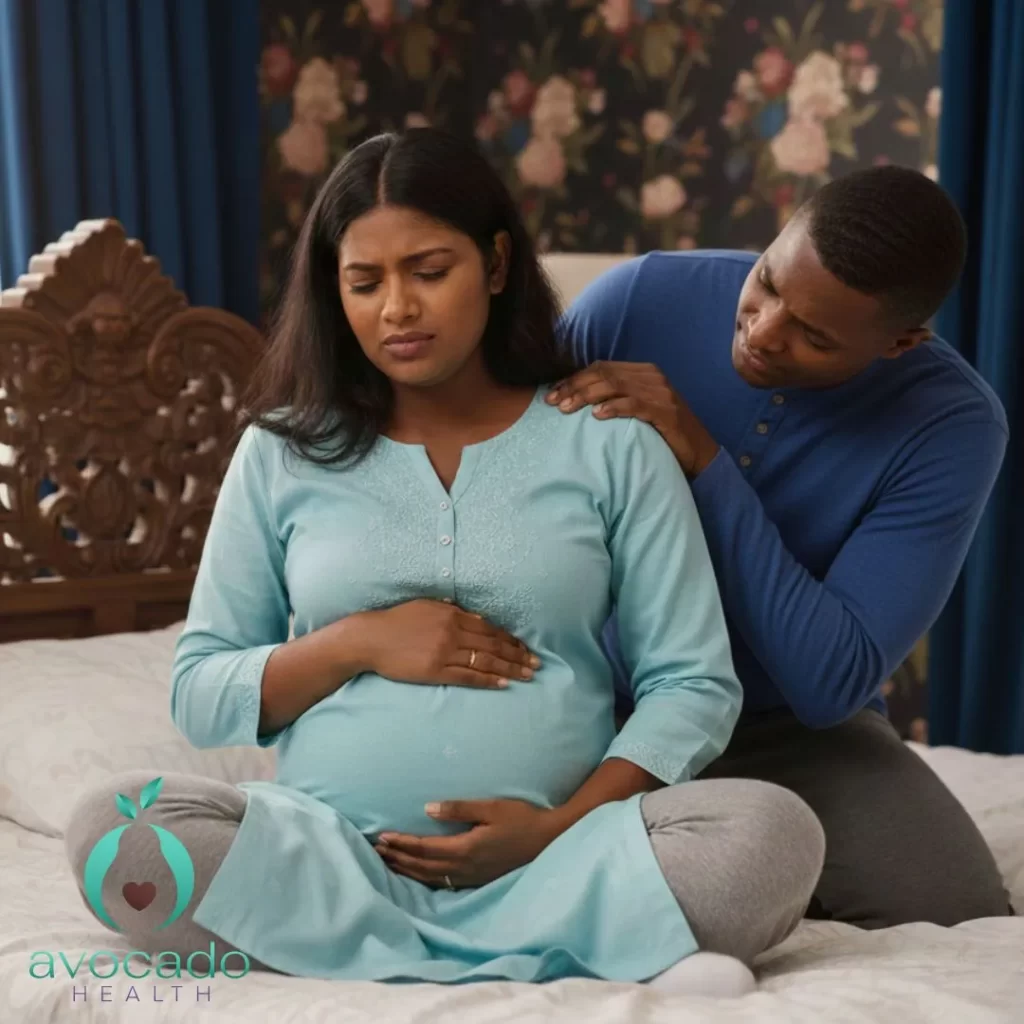
How To Massage A Pregnant Woman’s Lower Back?

To avoid putting pressure on the spine:
- Gently press along the lower back using closed fists, moving outward from the area near the spine.
- Continue to the glutes and hips using the same gentle pressure with closed fists.
- Lastly, massage the legs to help alleviate pain and reduce swelling by using your flat palm to stroke up and down along the legs.
How Long Does Lower Back Pain Last During Pregnancy?
Lower back pain in pregnancy typically starts between the fifth and seventh months (second trimester) and usually resolves within a few months after delivery. However, onset and resolution times can vary widely among women.4
Onset Timeline
- Most Common Onset: The majority of women experience the start of lower back pain during the second half of pregnancy, most frequently around the fifth to seventh months (weeks 20 to 28). Pain intensity often peaks between weeks 24 and 36.
- Early Onset: Some women may experience back pain as early as the first trimester (8-12 weeks), and in some cases, it can occur earlier, sometimes even before they know they are pregnant.
This early pain is often linked to hormonal changes (specifically the hormone relaxin, which loosens ligaments) and increased stress, rather than mechanical changes.
- Risk Factors for Early/Severe Pain: Women with a history of chronic back pain or who are overweight are at higher risk for experiencing earlier and more severe pain.
How Long Does Low Back Pain Take To Resolve?
Resolution Timeline
- Typical Resolution: For most women, pregnancy-related back pain goes away on its own relatively quickly after giving birth, usually within a few months.
- Persistent Pain: While the pain resolves for the majority, a significant minority of women experience pain for longer periods.
- Around 40% of women still report some pain six months postpartum.
- In a smaller percentage of cases (7-8%), the pain can become chronic and persist for a year or longer.
- Factors for Persistence: Persistent postpartum pain is more likely in women who had severe pain during pregnancy, an earlier onset of pain, or a higher pre-pregnancy BMI.
What Sitting Positions Should Be Avoided During Pregnancy?
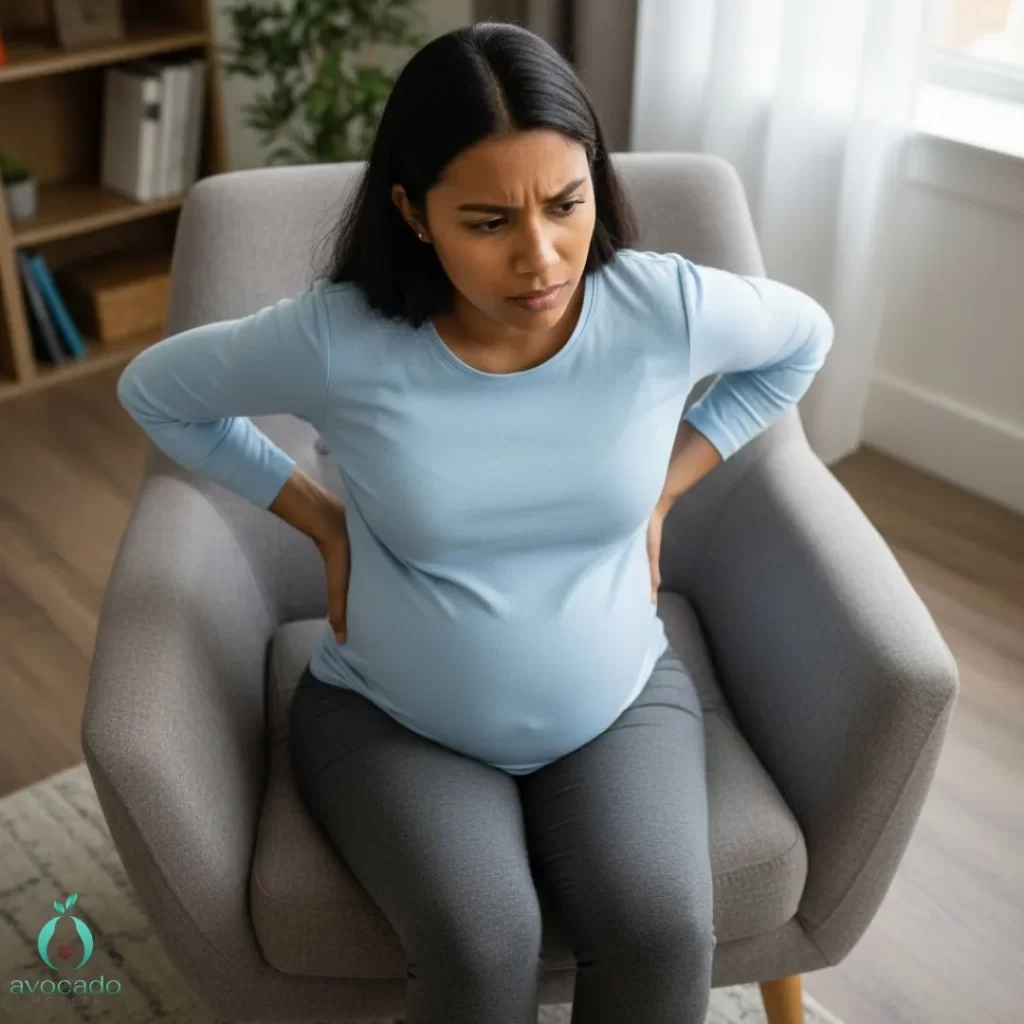
During pregnancy, certain sitting positions can exacerbate lower back problems or cause discomfort due to the additional strain on your back and pelvic area. Avoid:
- Crossing your legs while sitting, as this can tilt your pelvis and misalign your spine, leading to increased strain on your back muscles.
- Sitting on soft, low chairs that do not provide adequate support for your back or hips should be minimized. Instead, opt for chairs with firm cushions and good back support, or use a small pillow behind your lower back to maintain the natural curve of your spine.5
- Sitting for prolonged periods without proper lumbar support can also contribute to back pain.
When To Worry About Back Pain During Pregnancy?
Back pain during pregnancy is common and usually not a cause for concern. However, there are specific situations when you should be more cautious and seek medical advice promptly.
Signs to Watch For
- Pain Lasting More Than Two Weeks: If your back pain persists beyond a couple of weeks without improvement, it’s important to consult your healthcare provider. Persistent pain may indicate an underlying issue that needs attention.
- Severe or Acute Pain: While mild pain is typical, acute or severe pain that disrupts your daily activities or sleep should be evaluated to rule out complications.
- Pain Accompanied by Other Symptoms: Back pain that occurs alongside symptoms such as vaginal bleeding, fever, cramping, burning during urination, unusual vaginal discharge, or signs of a urinary tract infection can signal infections or preterm labor. Immediate medical evaluation is necessary.
- Nerve-Related Symptoms: Experiencing numbness, tingling, or shooting pain radiating down your legs or into your feet may suggest sciatic nerve involvement or other nerve compression issues, which require professional assessment.
- Pain on One or Both Sides: Especially if the pain is a deep ache or sharp sensation located on one or both sides of your lower back or pelvic area, it could be indicative of posterior pelvic pain or pelvic girdle pain, conditions that may benefit from specialized care.
Risk Factors That May Increase Concern
Certain factors can raise the risk of more serious back pain during pregnancy, including:
- A history of pre-existing lower back problems
- Previous pregnancy-related low back pain
- Excessive standing or physical strain
- Stressful periods that exacerbate pain.
If you experience any of the above warning signs or if your back pain worsens, don’t hesitate to contact your healthcare professional. They may perform a physical examination, review your medical history, and recommend appropriate treatments such as physical therapy, manual therapy, or safe pain management options.
Early intervention can prevent chronic pain and improve your comfort throughout pregnancy.
What Exercises Can Help Alleviate Lower Back Pain During Pregnancy?
Several exercises are particularly effective in relieving lower back pain during pregnancy by strengthening and stretching the muscles that support your spine and pelvis:
- Pelvic Tilts: Also known as cat-cow stretches, these involve gently arching and rounding your back while on your hands and knees. This movement helps strengthen abdominal muscles and ease tension in the lower back.
- Prenatal Yoga: Gentle yoga poses designed for pregnancy improve flexibility, promote good posture, and reduce muscle tension. Focus on poses that stretch the back, hips, and inner thighs.
- Walking: A low-impact aerobic exercise that helps maintain overall fitness and strengthens leg and back muscles without putting excessive strain on your body.
- Swimming and Water Exercises: The buoyancy of water supports your weight, reducing stress on the joints and spine while providing gentle resistance to strengthen muscles.
- Strengthening Exercises for Back and Abdominal Muscles: Targeted exercises that engage your core and back muscles help improve posture and provide better support to your growing belly, reducing strain on your lower back.
- Stretching the Inner Thighs and Hips: Tightness in these areas can contribute to lower back discomfort. Regular stretching can improve flexibility and reduce pain.
Always consult your healthcare professional or physical therapist before beginning any exercise routine during pregnancy to ensure the exercises are safe for your specific condition.
Most women feel better with care and patience. If you have questions or need support, text Avocado Health for expert advice and reassurance anytime.
Conclusion
Lower back problems in pregnancy are more common and usually resolve on their own after your baby arrives. A few simple things, like standing up straight, moving gently, and making a few tweaks to your daily routine, can really make a difference. But if things don’t start to get better or the pain starts to get a lot worse, seek your doctor’s help.
Frequently Asked Questions
Is back pain a sign of pregnancy 1 week?
Back pain is not a reliable sign of pregnancy one week after conception, as it usually appears later in the first trimester and is more commonly associated with a missed period, tender breasts, or nausea.
Early back pain is rare at this stage and is more likely linked to other factors like bloating or constipation caused by hormonal changes. However, if you are experiencing other early signs, it is best to take a pregnancy test.
How soon do you feel back pain in pregnancy?
Back pain can start in early pregnancy as early as 4 to 8 weeks, though for some women it may not appear until the second trimester.
Can back pain be a sign of implantation?
Yes, mild back pain can be a sign of implantation. Implantation cramps, which may include lower back discomfort, can feel similar to menstrual cramps but are usually less severe. They typically occur about 6 to 12 days after conception, around the time you might expect your next period.
Is walking good for lower back pain?
Yes, walking is good for lower back pain as it strengthens muscles, improves circulation, and increases flexibility. Regular walking can help reduce stiffness, relieve pressure on the spine, and prevent future flare-ups. It is recommended to start slowly and gradually increase duration and pace, and to check with a doctor before beginning if you have an acute injury or other spinal condition.
Sources:
- The global prevalence of low back pain in pregnancy: a comprehensive systematic review and meta-analysis
- Low back pain during pregnancy: prevalence, risk factors and clinical profile in the Bamenda Regional Hospital
- The correlation between pregnancy-related low back pain and physical fitness evaluated by an index system of maternal physical fitness test
- Pregnancy-related low back pain
- Impact of pregnancy on back pain and body posture in women