



When do babies start having nightmares? Very young babies might stir or cry in their sleep, but real nightmares are uncommon in infancy. Nightmares usually begin closer to age 2, when toddlers’ imagination and memory are strong enough for them to picture scary scenes and remember the dream after waking up. learn when nightmares begin, signs to watch for, and how to comfort your baby when sleep gets a little scary.
Table of Contents
Can Babies Have Nightmares?
While babies may experience sleep disturbances, most pediatric experts agree that they do not have nightmares in the complex way that older children or adults do.
Most babies do not experience nightmares, but may have other sleep disturbances as part of baby’s sleep development. 1

Newborns and young babies wake often at night crying, usually due to hunger, rather than nightmares.
How Do I Know If my Baby Is Having Nightmares?

It is highly unlikely that kids under 18 months old experience a complex nightmare. Nightmares, which involve vivid, frightening imagery and the ability to recall the event, typically begin when imagination and language skills are more developed.2As children’s imaginations grow, they may have difficulty distinguishing between what is real and what is not, which can make nighttime fears feel very real to them.
If your baby is waking up upset, it is almost certainly due to a physical need or a normal sleep disruption. During these moments, children often need reassurance and a calm, supportive response to help them feel safe again.
However, if infants show ongoing signs of distress during sleep, consult a pediatrician to rule out other issues.
Why do babies wake up at night?
Causes of Night Waking
To determine “why do babies wake up at night”, pay close attention to their behavior. Night terrors typically start shortly after falling asleep, while nightmares usually occur later in the night.
Night terrors can last anywhere from a few minutes to up to 45 minutes, and your child won’t be fully awake during this time. Nightmares, on the other hand, usually wake a child more thoroughly.
When Do Babies Start Having Nightmares?A Milestone or a Warning Sign?
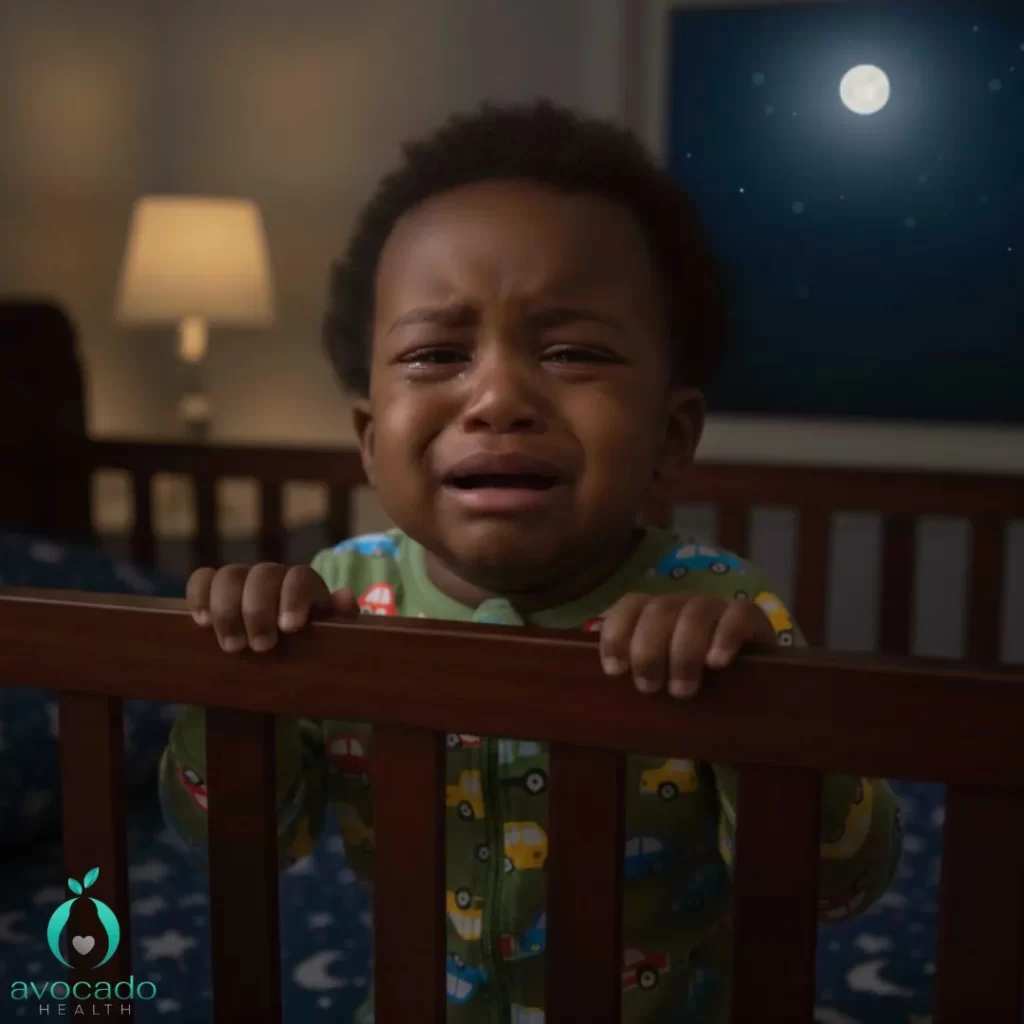
Babies typically experience their first nightmare between 1.5 and 2 years of age. The ability to experience nightmares is linked to the development of imagination, memory, and language skills, allowing a child to process fears and recall the dream.
Nightmares happen as a result of developmental milestones in memory and imagination.
Nightmares occur during REM sleep, and babies experience more REM sleep than adults, which is important for baby’s development.3
How Early Can Nightmares Start?
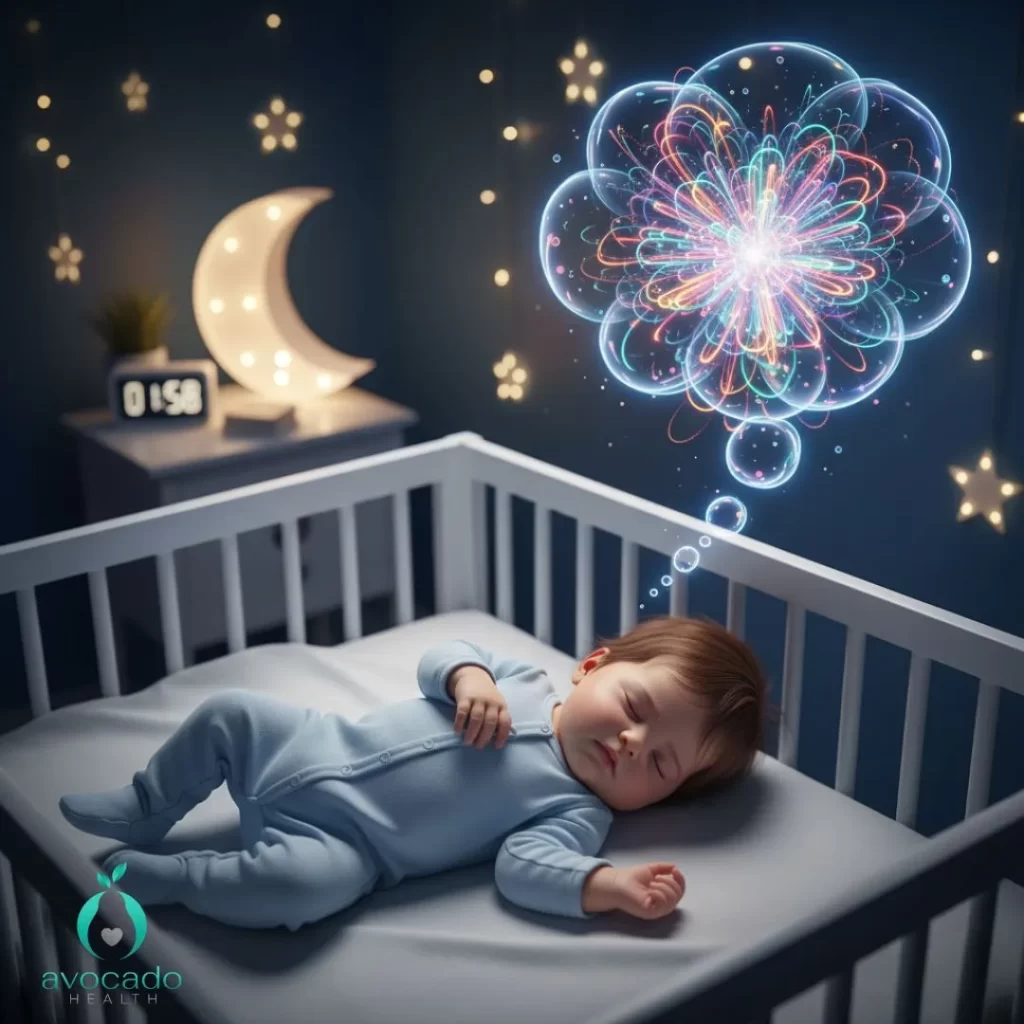
While the exact age is debated because infants cannot communicate their dreams, children may start experiencing nightmares as early as 6 months of age, but they typically become more frequent and recognizable between 18 months and 3 years old. 4
Key Developmental Factors
- Imagination and Language: True nightmares require a developed imagination to create the scary scenario and language skills to express it upon waking. These skills are generally not present in younger infants.
- Memory: For an episode to be a true nightmare, the child must be able to wake up fully and remember the frightening content.
- Brain Development: A young baby’s brain is still rapidly developing, and the increased REM sleep they experience (the stage where dreaming happens) is thought to be more for building neural pathways than for processing complex fears or emotions. REM sleep is vital for infants as it helps with cognitive development and processes information from the day.
- Baby’s Sleep Patterns and Nighttime Wakings: In young babies, baby’s sleep patterns are still maturing, and nighttime wakings are very common. These wakings are usually due to normal sleep cycle transitions or physical needs, rather than nightmares or night terrors.
At two months of age, infants typically experience sleep cycles that last between 50 and 60 minutes.
Do Babies Cry When They Have Nightmares?
Yes, babies and toddlers will often cry when they are experiencing distress, which can be related to nightmares or other sleep disruptions.
Is It Normal For Babies To Cry In Their Sleep?
Yes. Babies often whimper or cry briefly in their sleep, especially when shifting between sleep cycles. This is a normal part of their developing sleep patterns and is usually not related to nightmares.
Why Do Babies Cry Hysterically In Their Sleep?
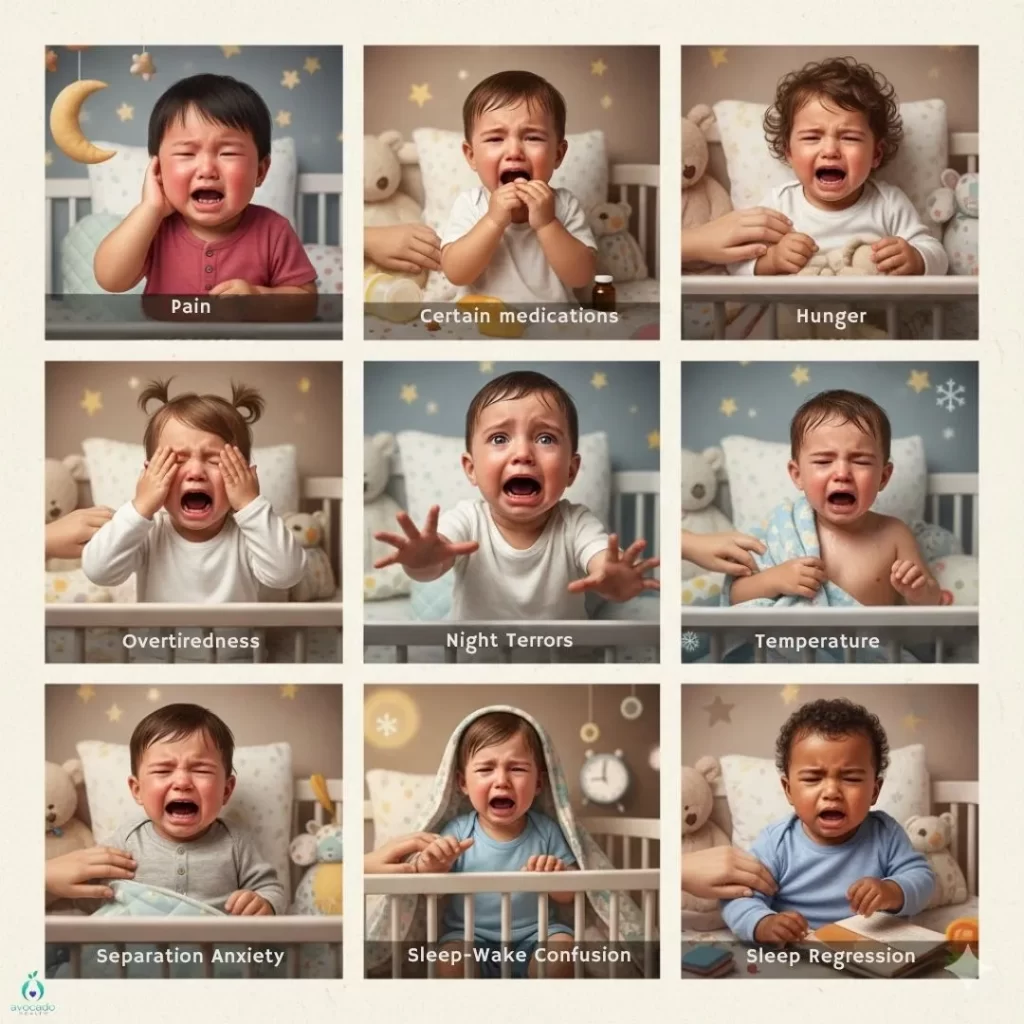
When a baby cries hysterically in their sleep, it is usually an indication of a physical need or a sleep-related phenomenon like a night terror or sleep-wake confusion. A distressed baby may cry intensely during sleep, sometimes appearing inconsolable.5
Common Reasons for Hysterical Crying in Sleep
- Physical Discomfort or Need: This is the most frequent cause in infants. Crying hysterically is their only way to communicate intense discomfort.
- Hunger: Babies have tiny stomachs and need frequent feedings.
- Pain: This could be from a wet or dirty diaper, gas, reflux, illness (like an ear infection or fever), or teething pain.
- Certain medications: Some medications can cause side effects that disrupt a baby’s sleep, leading to increased restlessness or crying during the night.
- Temperature: Being too hot or too cold in their sleep environment.
- Overtiredness: Paradoxically, a baby who is overtired may struggle to settle into a deep, restful sleep. High levels of stress hormones from fatigue can lead to disrupted and intense crying during brief awakenings.
- Sleep-Wake Confusion: This often happens when a baby falls asleep in one location (e.g., being rocked) and wakes up in a different one (their crib). The sudden disorientation can cause panic and intense crying.
- Night Terrors (in older babies/toddlers): While rare in very young infants, night terrors start as early as 18 months. A night terror episode can occur during the first part of the night, typically 1-2 hours after falling asleep.
- Sleep Regression: Periods of sleep regression, such as around age 2, can temporarily worsen sleep patterns due to developmental changes and increased imagination.
- Separation Anxiety: Around 8-12 months, babies develop object permanence and can become distressed when they realize a caregiver is not nearby when they wake up at night.
These are common sleep challenges for parents of infants and toddlers.
How Do Night Terrors Differ From Nightmares?
The main differences between nightmares and night terrors are:
- Nightmares: Happen during REM sleep, often wake the child, and the child may remember the dream.
- Night terrors: Occur during non-REM sleep, involve intense crying or movement, but the child is not fully awake and usually does not remember the event.
Do Nightmares Mean Good Sleep?
No, nightmares don’t mean good sleep; in fact, frequent nightmares are linked to poorer subjective sleep quality.
While dreaming is a normal part of healthy sleep (occurring primarily during the Rapid Eye Movement or REM stage), nightmares cause abrupt awakenings and distress, which disrupts the normal sleep cycle.
Could Teething Cause Night Screaming?
Yes, teething pain can cause a baby to wake up and cry or scream hysterically at night. While babies are often distracted from the pain during the day by play and activity, the lack of distractions and the natural drop in anti-inflammatory hormones at night can make the gum discomfort feel much more noticeable.
How To Stop Nightmares In Kids?
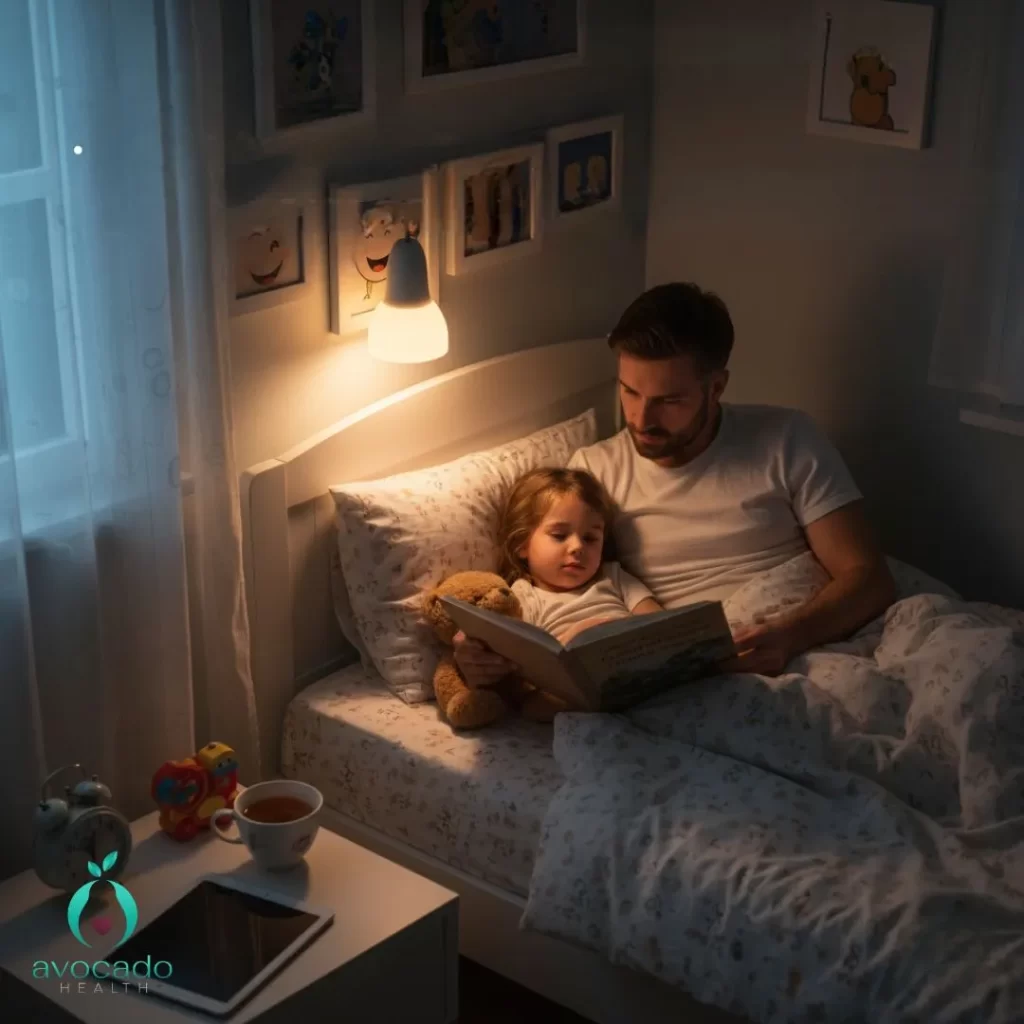
To prevent nightmares in kids:
- Establish good sleep habits.
- Create a sleep-friendly, safe space environment
- Follow a bedtime routine, like a warm bath.
- Stick to age-appropriate sleep schedules so your child gets enough sleep, good for kids and parents.
- Limit screen time before bed to reduce the risk of nightmares caused by overstimulation.
What To Do During A Child’s Night Terror?
When your child has a night terror, don’t wake them. Night terrors are characterized by intense crying, thrashing or other signs of distress but the child is not fully awake and will not remember the episode. Stay calm and make sure your child is safe during these episodes.
Offering consistent comfort, predictable routines, and a calm presence can help your child feel more secure and supported as they navigate nighttime fears.
When Should I Worry About My Baby’s Night Terrors?
While night terrors can be scary to watch, they are generally a normal harmless phase of child development and not a cause for immediate concern. They usually happen in the first few hours of sleep and the child has no memory of the event.
You should worry or see a doctor if the night terrors:
- Happen very often (e.g. several times a week or every night) for a long time.
- Cause injury to your child during the episode (because of thrashing, wandering or falling).
- Don’t go away as your child gets older (they usually peak between 3-8 years old).
- Are accompanied by other symptoms such as excessive daytime sleepiness, sleep breathing issues (like snoring or gasping) or unusual developmental changes.
- Happen in the later part of the night, this might be nightmares which are different and require a different approach to comforting.
- Are causing stress to the family or interfering with the child’s daily life.
Still Worried About Your Baby’s Night Wakings Or Possible Nightmares?
Text Avocado Health for instant, 24/7 personalized expert parent coaching. No apps, no waiting rooms, secure guidance exactly when you need it.
Conclusion
Babies usually start having nightmares around 1.5 to 2 years old when their imagination and memory develop. Before that, night wakings are mostly due to physical needs or normal sleep cycles. Knowing this helps you stay calm. Establishing good sleep habits and a consistent bedtime routine can reduce nightmares and night terrors and make nights easier for baby and you.
Frequently Asked Questions
Are Nightmares Warning Signs?
Occasional nightmares are a normal human experience and not typically a cause for concern or a “warning sign.”
How Long Does Bad Sleep From Teething Last?
Bad sleep from an individual tooth coming in usually only lasts a few days to a week.
The worst pain and resulting sleep disruption usually happens within a 3- to 8-day window around the tooth breaking through the gum line.
Sources:
- The Stress Acceleration Hypothesis of Nightmares https://pmc.ncbi.nlm.nih.gov/articles/PMC5451501/#:~:text=Terr%20(118)%2C%20as%20well,and%203.9%25%20aged%2041%20months.
- Night terrors and nightmares https://www.nhs.uk/conditions/night-terrors/#:~:text=Symptoms%20of%20a%20night%20terror,affect%20both%20children%20and%20adults.
- Developmental Differences in Memory During Early Childhood: Insights From Event-Related Potentials https://pmc.ncbi.nlm.nih.gov/articles/PMC4428939/#:~:text=Interestingly%2C%20although%20developmental%20improvements%20were,and%20neural%20changes%20were%20related.
- Spotlight on dream recall: the ages of dreams https://pmc.ncbi.nlm.nih.gov/articles/PMC5768288/
- Sleep Terrors: An Updated Review https://pmc.ncbi.nlm.nih.gov/articles/PMC8193803/#:~:text=Gastroesophageal%20reflux%20disease%20may%20present,shows%20complex%20and%20purposeful%20behaviors.


